Reading Time: 2 minutes
Packing your backpack for a mountain hike is not just a matter of organisation: it is the first step toward a safe and comfortable adventure. Whether you are tackling a half-day trail in the Dolomites or a multi-day trek in the Alps, knowing what to pack makes the difference between a memorable outing and a difficult one.
In this guide you will find the complete and practical list of everything that should never be missing from your hiking backpack, along with some tips on how to organise it for maximum efficiency.
1. Safety first: the essentials that are non-negotiable
Before clothing and food, your backpack must contain everything needed in case of an emergency. The mountains can change character in minutes, and preparation is the best ally of anyone who walks them.
- First aid kit: plasters, bandages, antiseptic, painkillers and any personal medication
- Topographic map and compass (do not rely solely on your phone: the battery can run out)
- Whistle and signalling mirror
- Head torch with spare batteries
- Emergency thermal blanket (weighs almost nothing, takes up almost no space)
- Fully charged phone with emergency numbers saved (Mountain Rescue)
2. Technical clothing: the layering system
Mountain temperatures vary considerably with altitude and as the day progresses. The fundamental principle is layering — a three-layer system — which allows you to adapt easily to changing conditions.
- Base layer: technical moisture-wicking top, never cotton
- Mid layer: fleece or softshell for thermal insulation
- Outer layer: lightweight, packable waterproof and windproof jacket
- Comfortable hiking trousers with quick-dry fabric
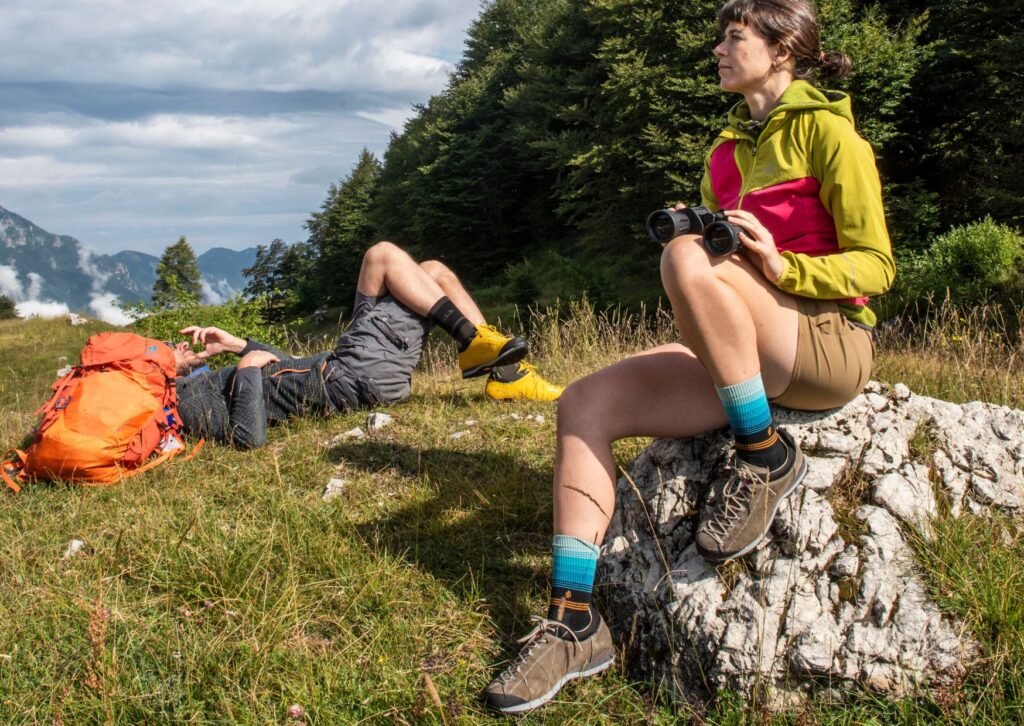
- Technical mountain socks in merino wool or technical fibre — essential for preventing blisters
- Spare pair of socks
- Hat and gloves even in summer (temperatures at altitude can surprise you)
- Sun hat or balaclava depending on the season
Gronell tip: socks are often underestimated, but they are the clothing item that has the greatest impact on foot comfort — alongside your boots, of course. Invest in both.
👉 Choose the right hiking shoes for trekking and light hiking
3. The right footwear: the foundation of every hike
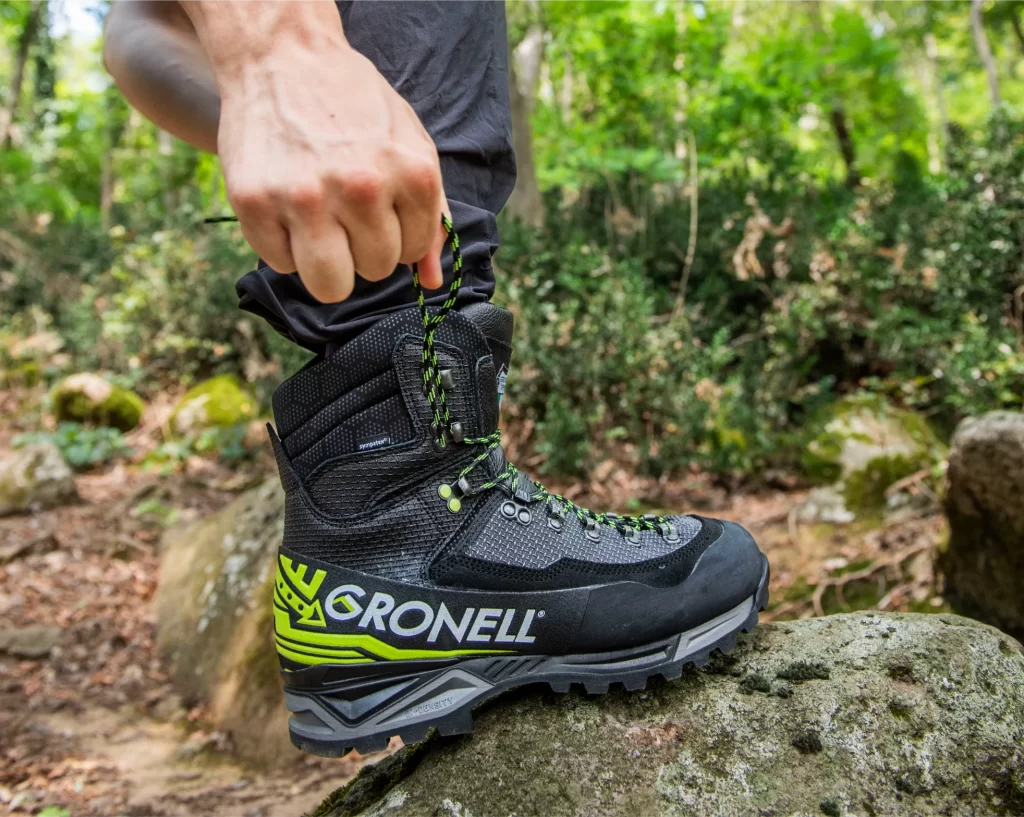
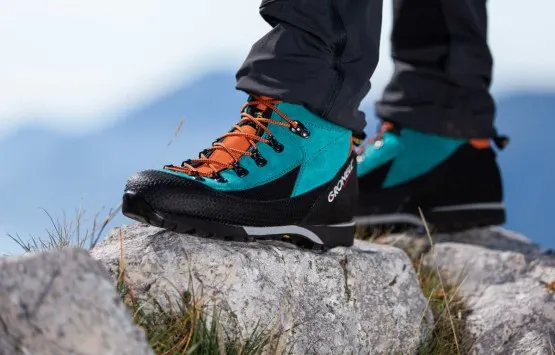
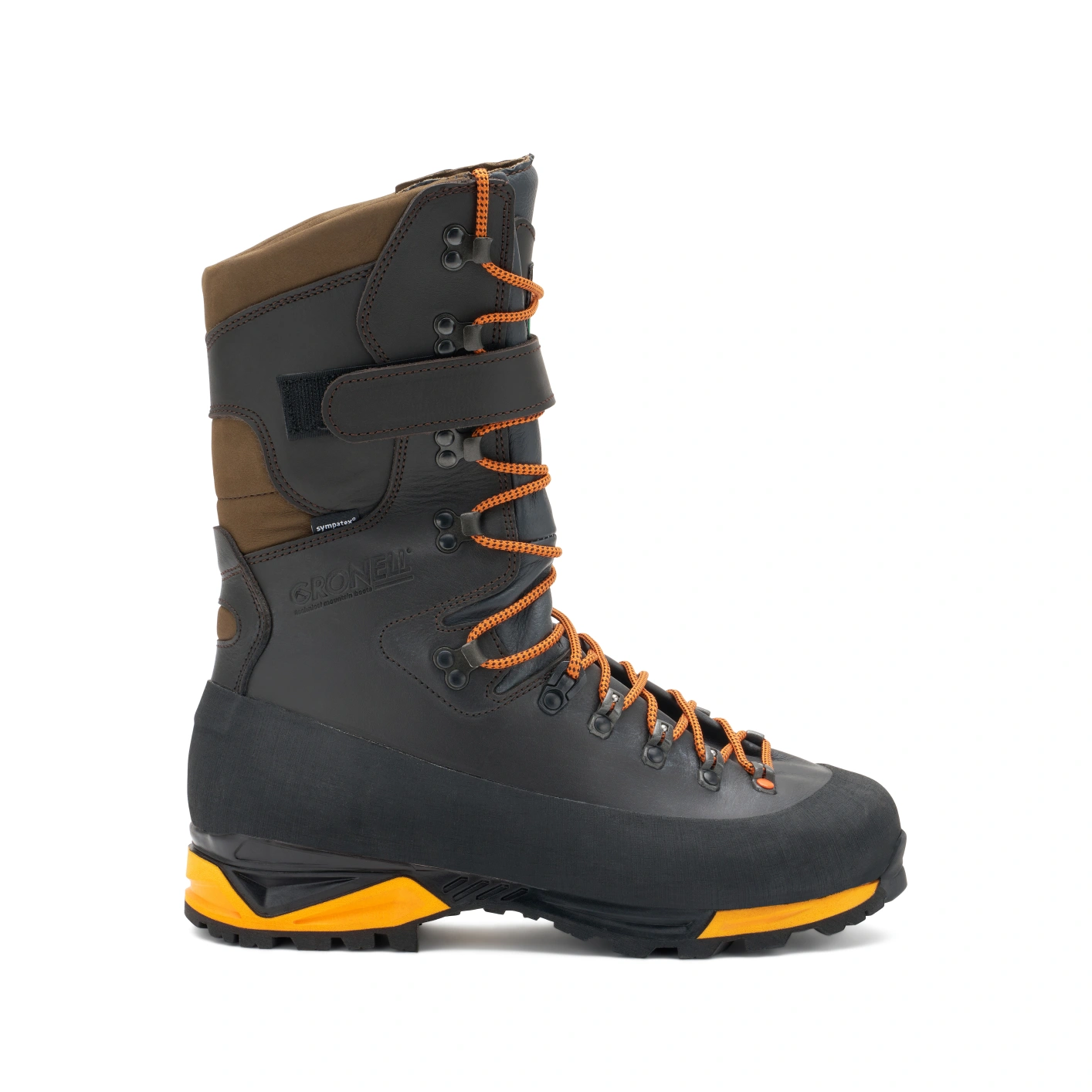
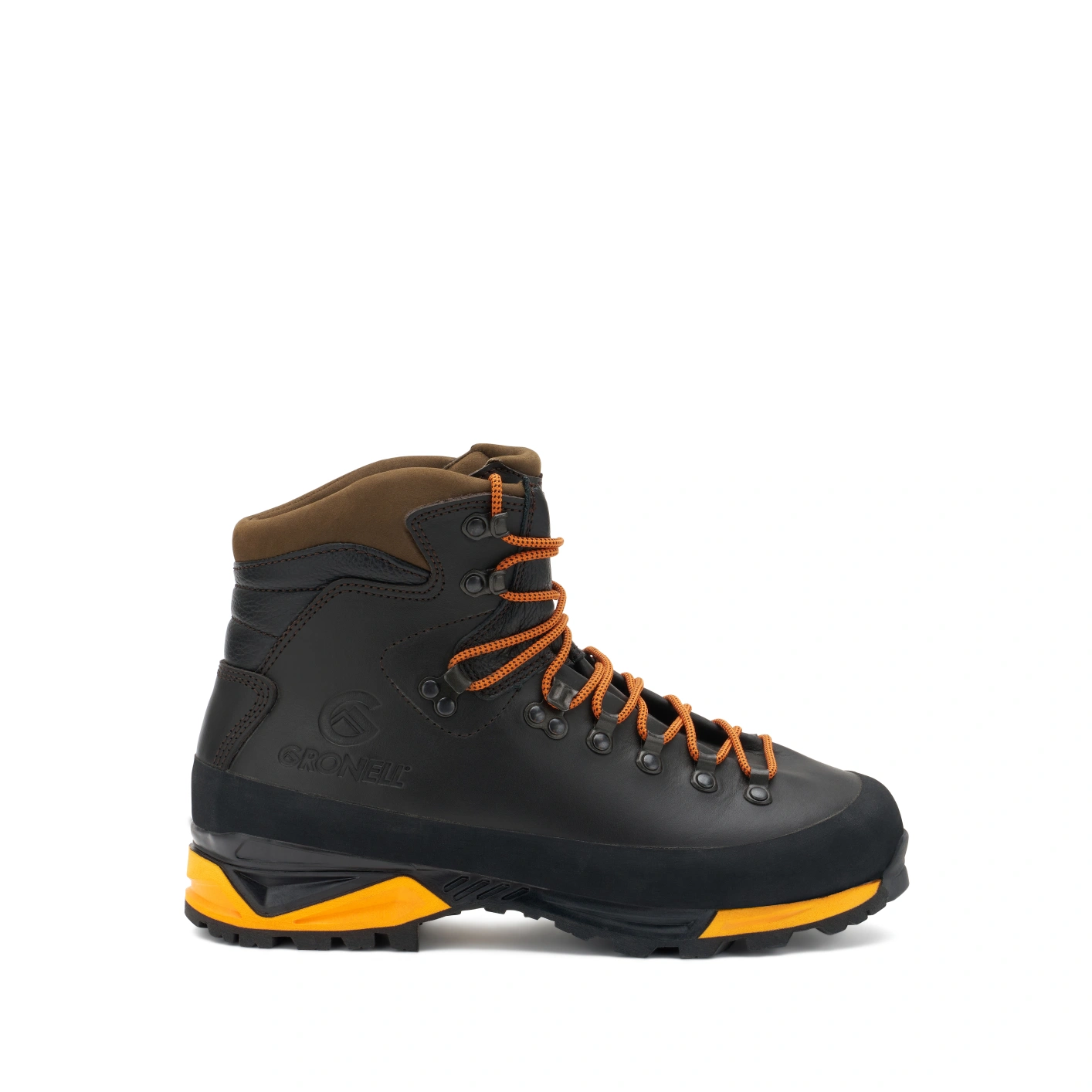
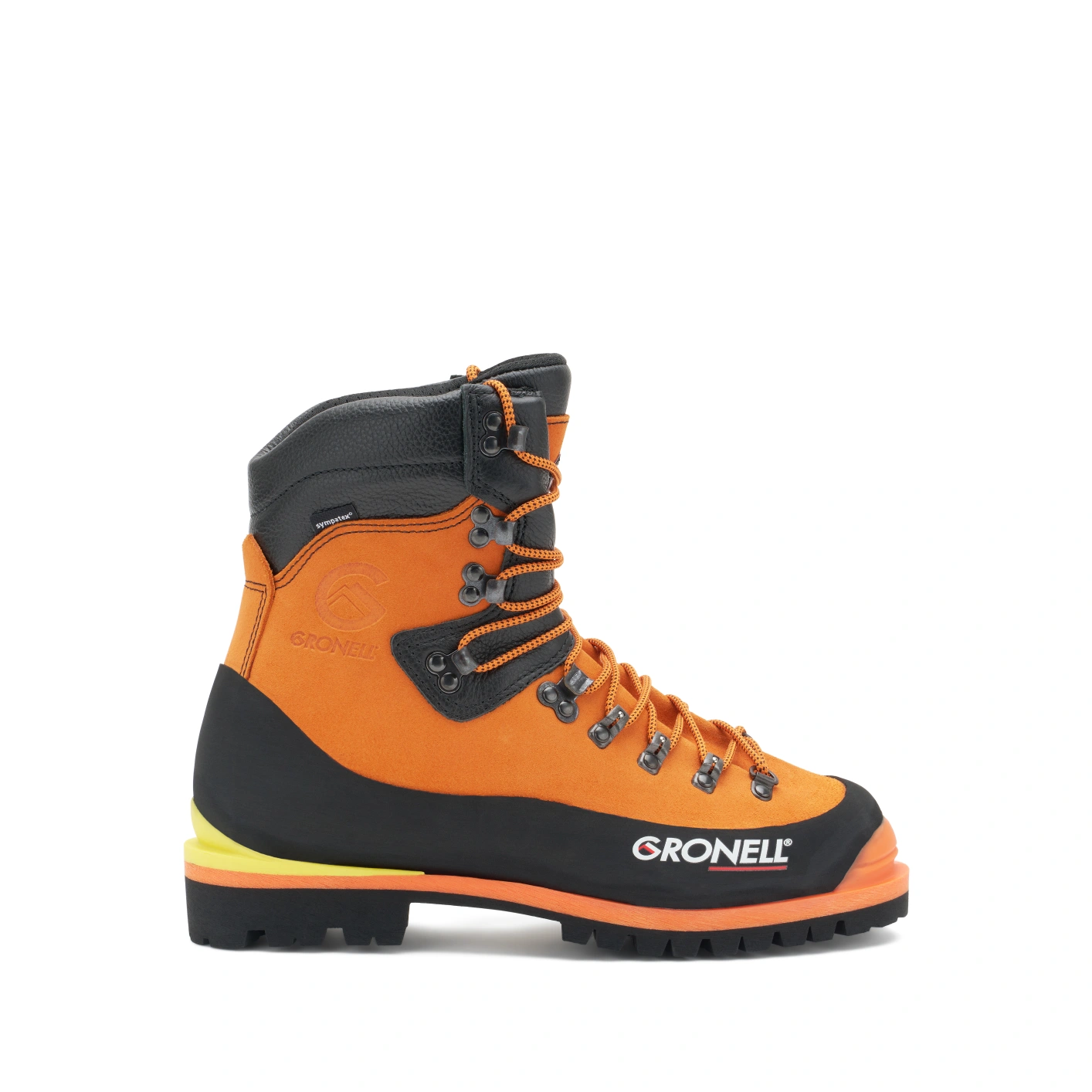
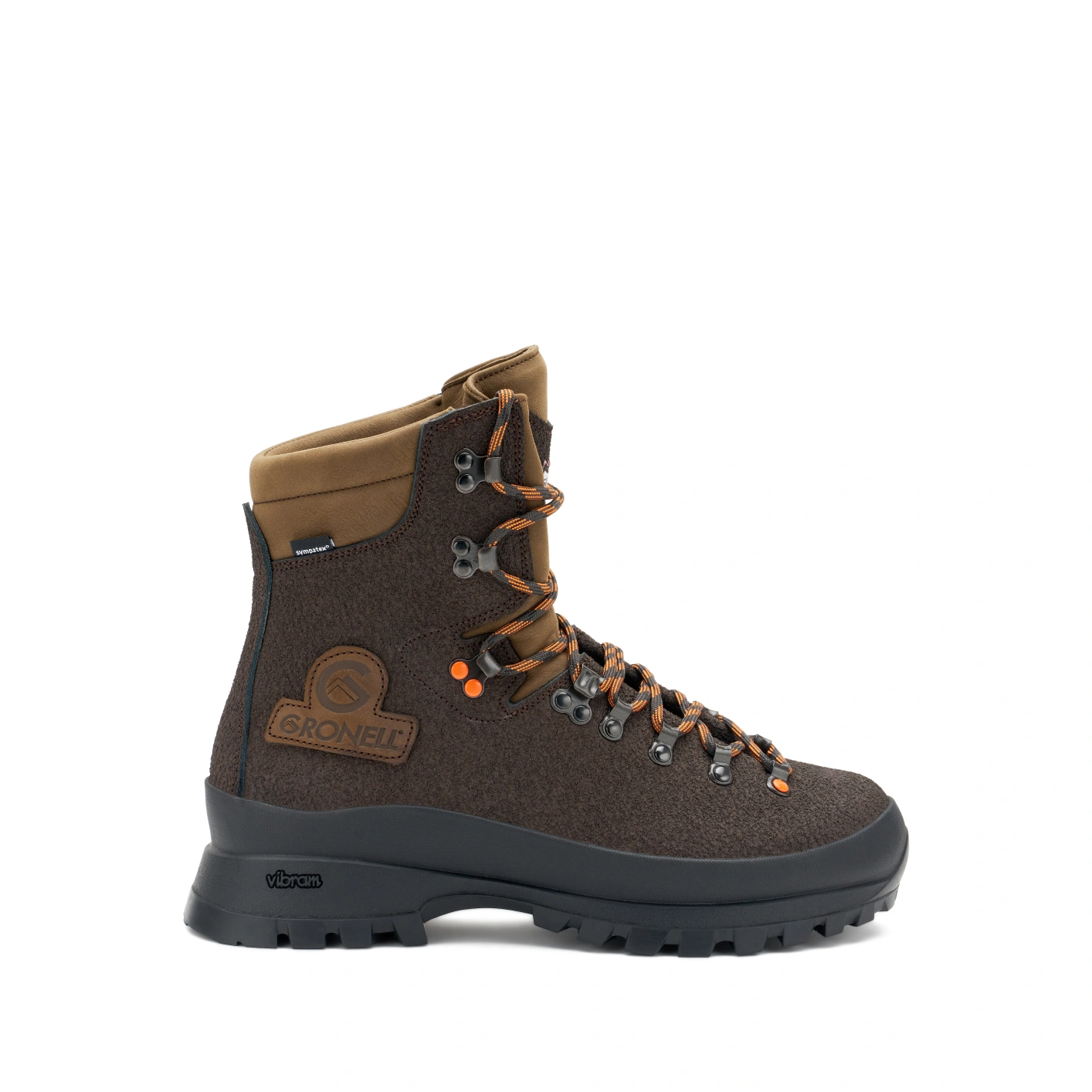
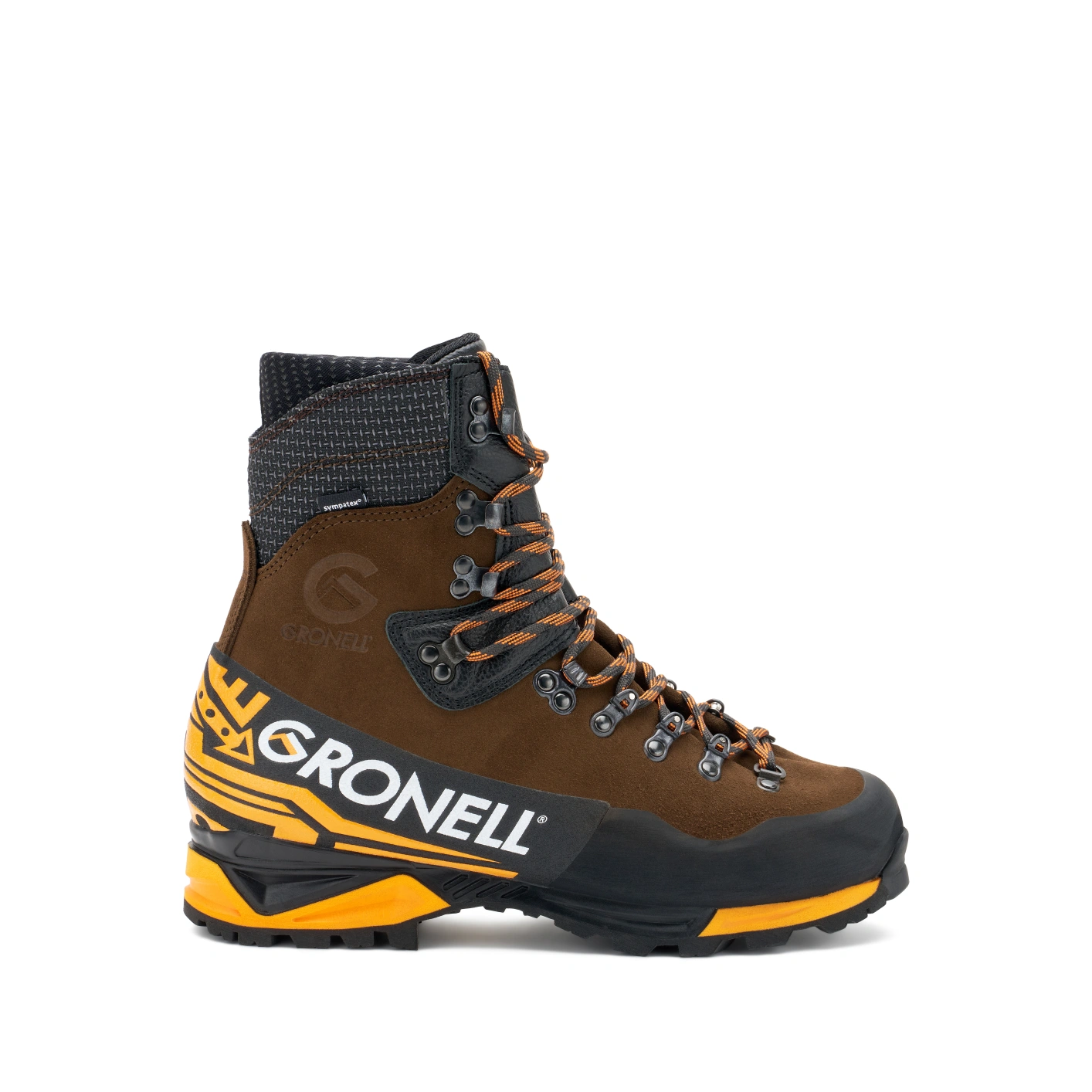
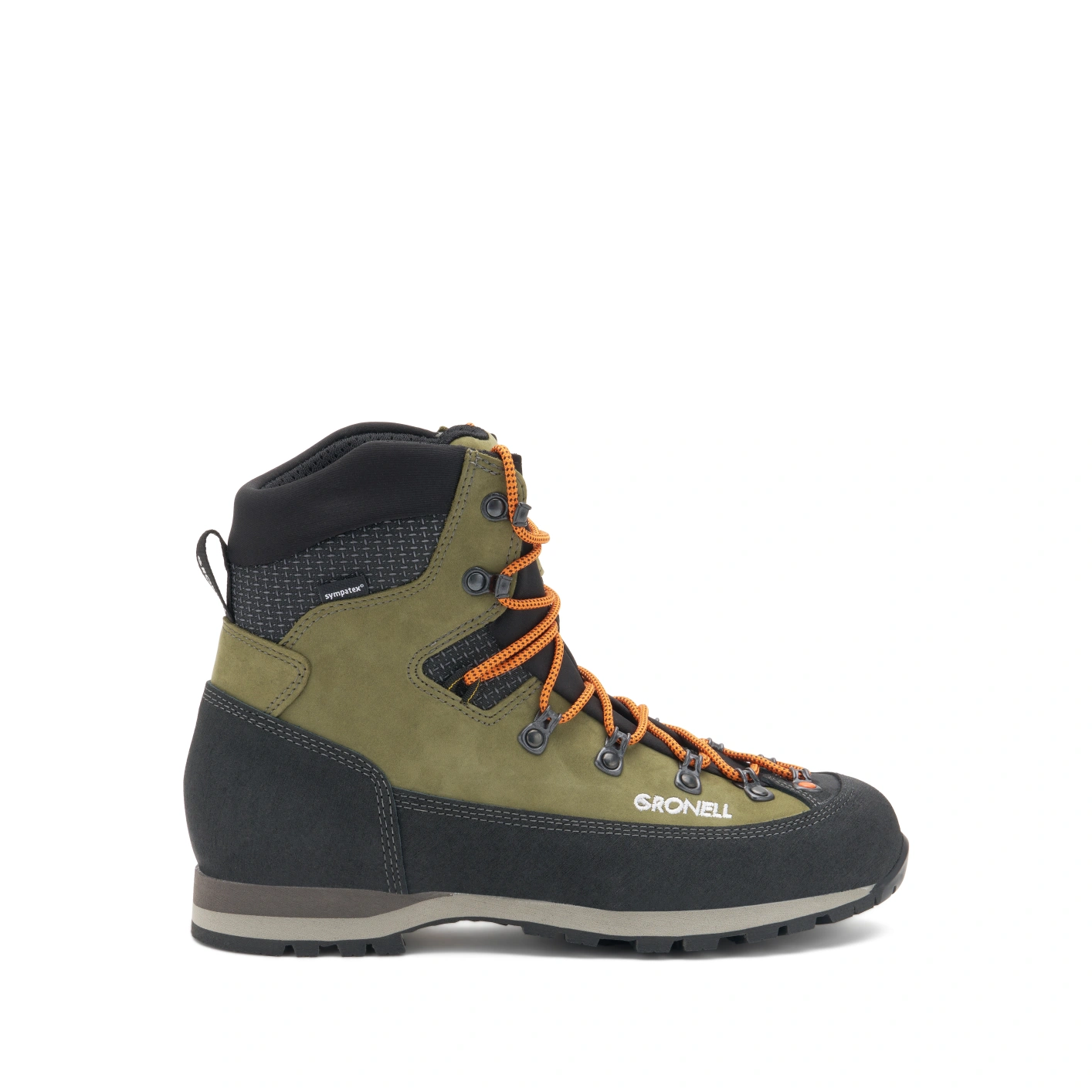
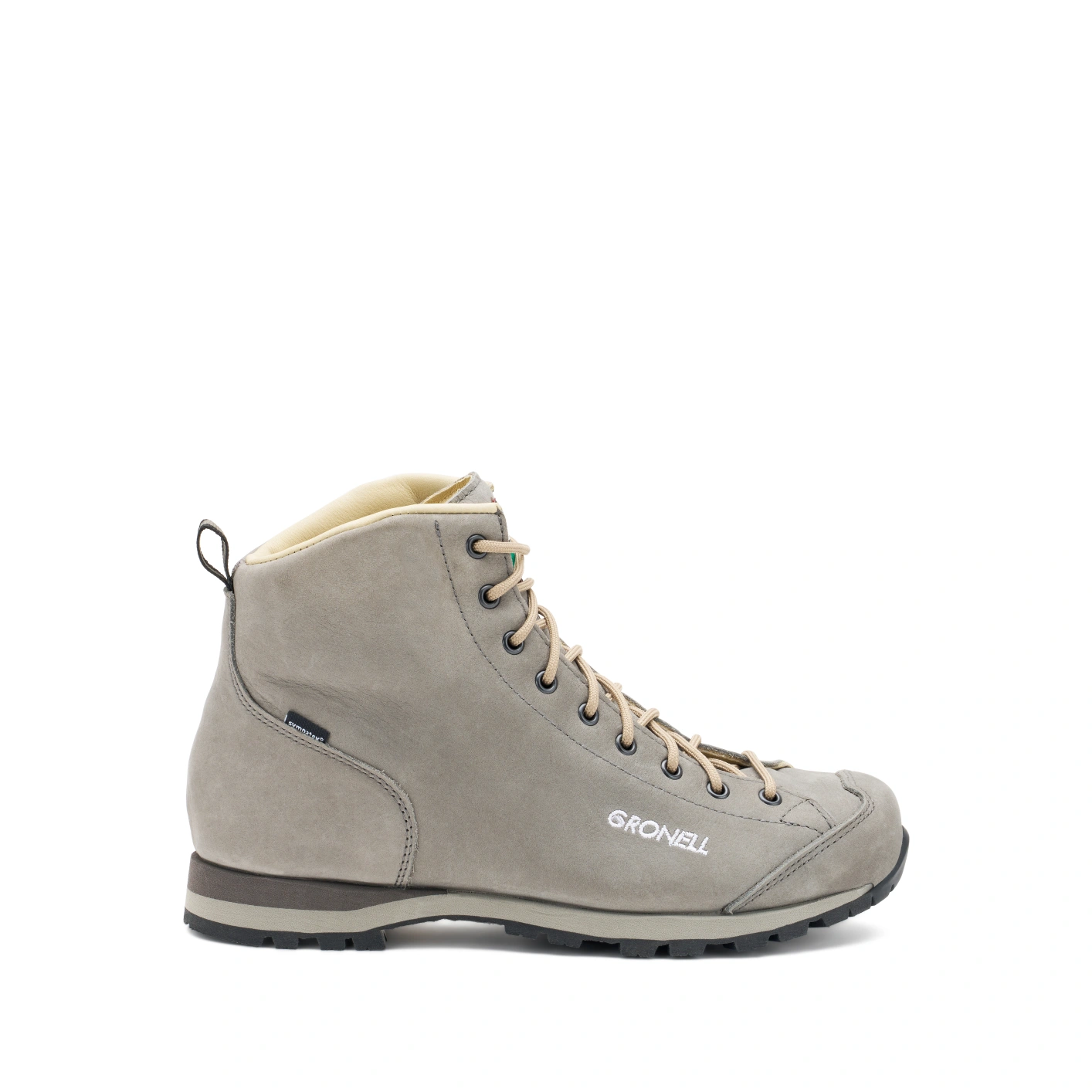
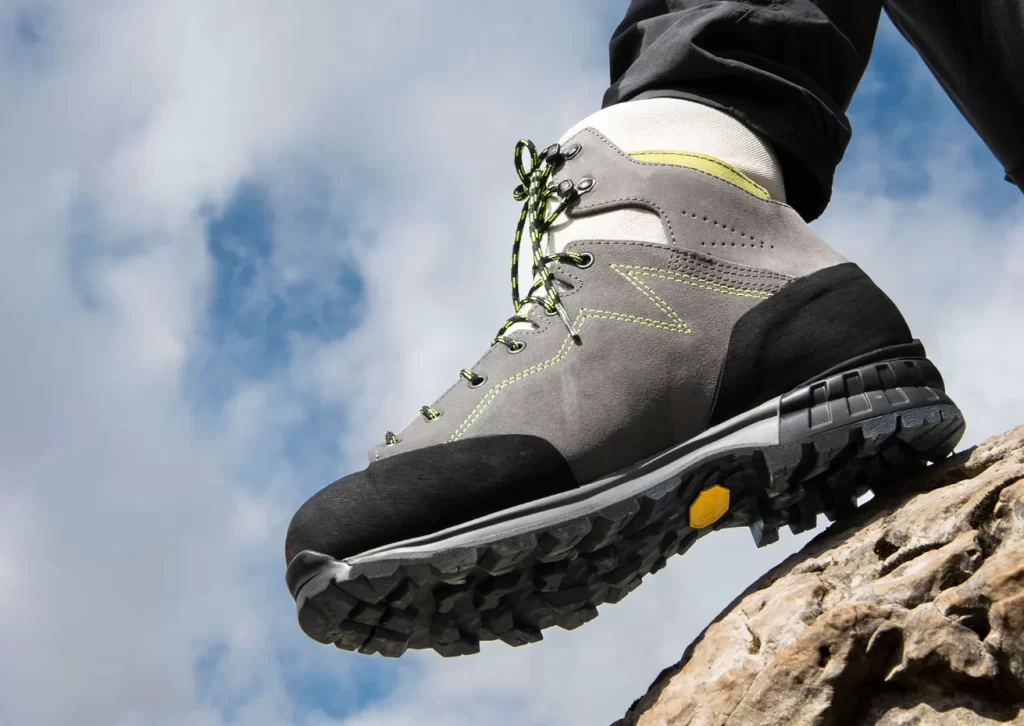
Mountain boots do not go in the backpack, but they deserve a special mention because they are literally your connection with the ground. Choose them based on the difficulty of the route: lightweight boots for marked trails, high and stiff boots for rough or scree terrain. Whatever your choice, wear them a few times before a long hike to avoid blisters from breaking them in.
👉 Looking for the perfect boots for your next adventures? Check out our models
4. Food and hydration
A body in motion consumes far more than usual. Plan your food based on the length of the hike and always carry a small emergency reserve.
- Water: at least 1 litre per 2 hours of walking; consider a thermal flask or water filter for longer routes
- Energy bars or dried fruit for a quick recharge
- Packed lunch: sandwiches, aged cheeses, cured meats — energetic and non-perishable foods
- Dark chocolate: an excellent source of fast energy
- Electrolyte supplements in hot weather or on demanding routes
5. Navigation and orientation
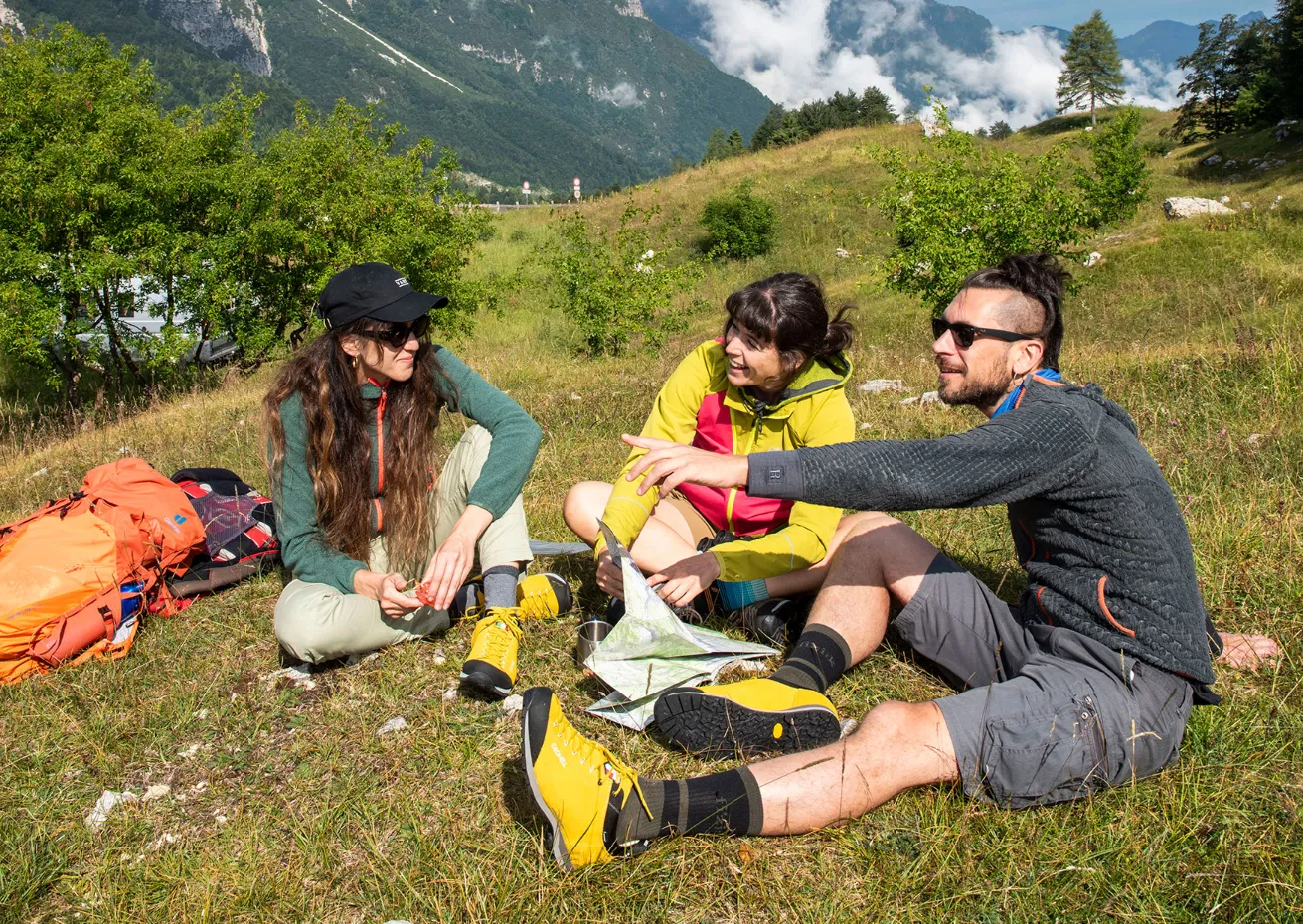
Getting lost in the mountains is a real risk, even on busy trails. Before you set off, study the route, download the GPS track to your phone and always bring a paper map as a backup.
- Offline navigation app (e.g. Komoot, Wikiloc, Maps.me) with route downloaded
- 1:25,000 map of the area
- Compass
- Altimeter (found on many hiking watches)
👉 Choose the right hiking shoes for trekking and light hiking
6. Protection from the elements
- Sunscreen SPF 50+: UV radiation is more intense at altitude
- UV-protective sunglasses
- Insect repellent spray in summer
- Lightweight packable rain poncho or cape
7. How to choose the right backpack
Just as important as what you put inside is the backpack itself. Capacity depends on the length of the outing.
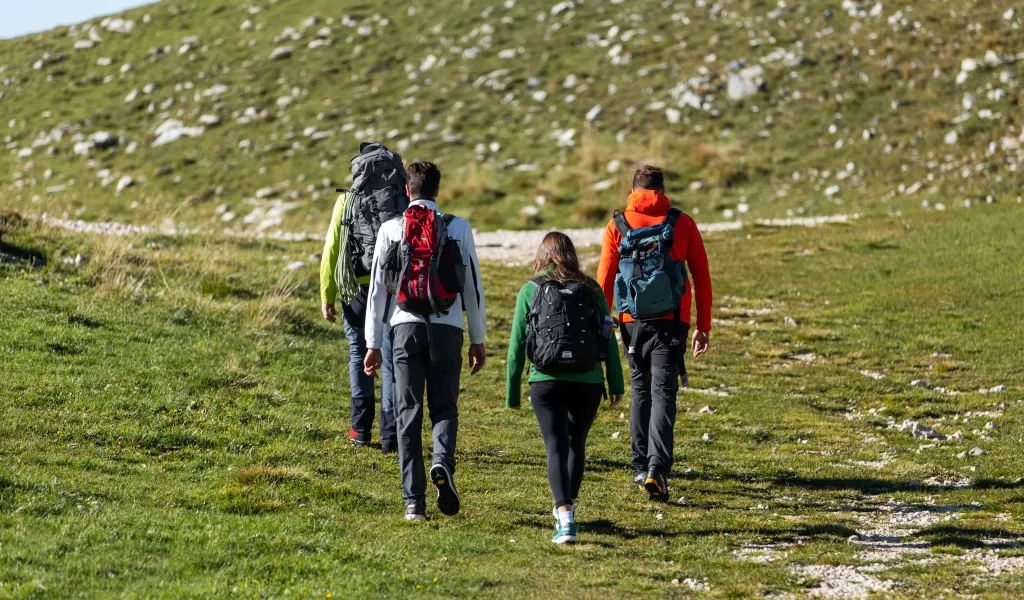
If you know you’re going to walk a lot, choose a model with padded shoulder straps, a hip belt and a breathable back panel. The weight of the pack should sit on your hips, not your shoulders. Place heavy items close to your back and high up, lighter items at the bottom, and frequently needed items in the side pockets.
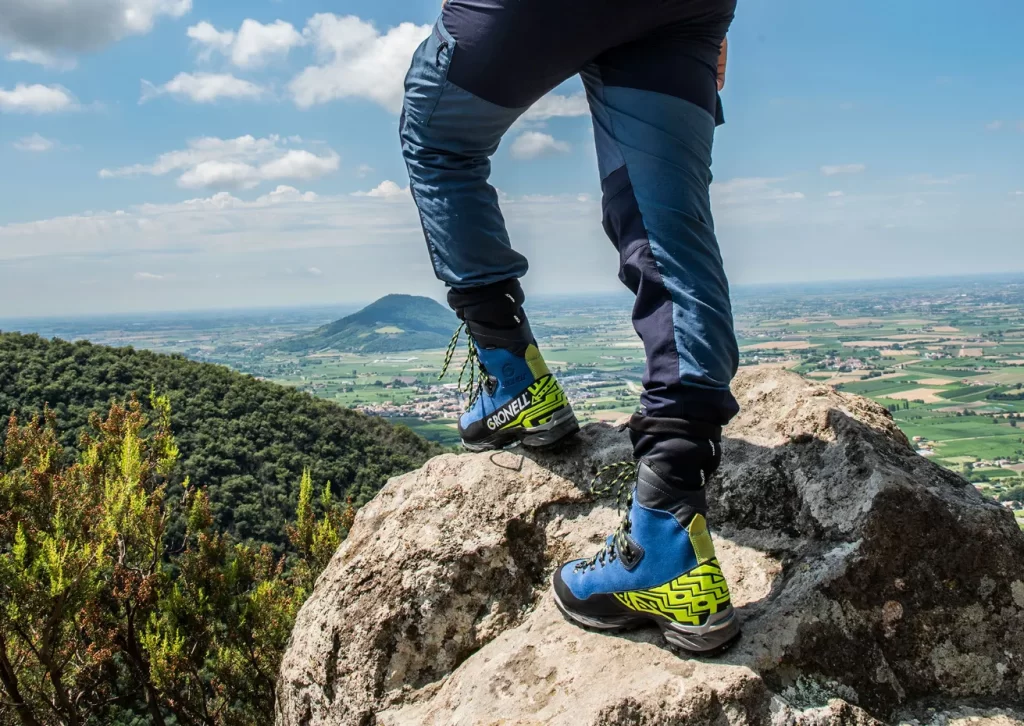
Quick checklist: what to pack in your mountain hiking backpack
Here is a summary of everything that should be there:
- First aid kit
- Map and compass
- Head torch with spare batteries
- Emergency thermal blanket
- Layered clothing (base, mid, outer)
- Technical socks + spare pair
- Hat and gloves
- Sunscreen and sunglasses
- Water (at least 1.5 L)
- Food for the day + emergency energy reserve
- Fully charged phone + power bank
- Offline navigation app
- Whistle
- Rubbish bag (respect the mountains!)
Being prepared is already half the adventure
Every hike is unique, but the care you take packing your bag is always the same. Take the time to go through the list, adapt it to the day’s weather and the route profile. The mountains reward those who respect them and prepare with care.
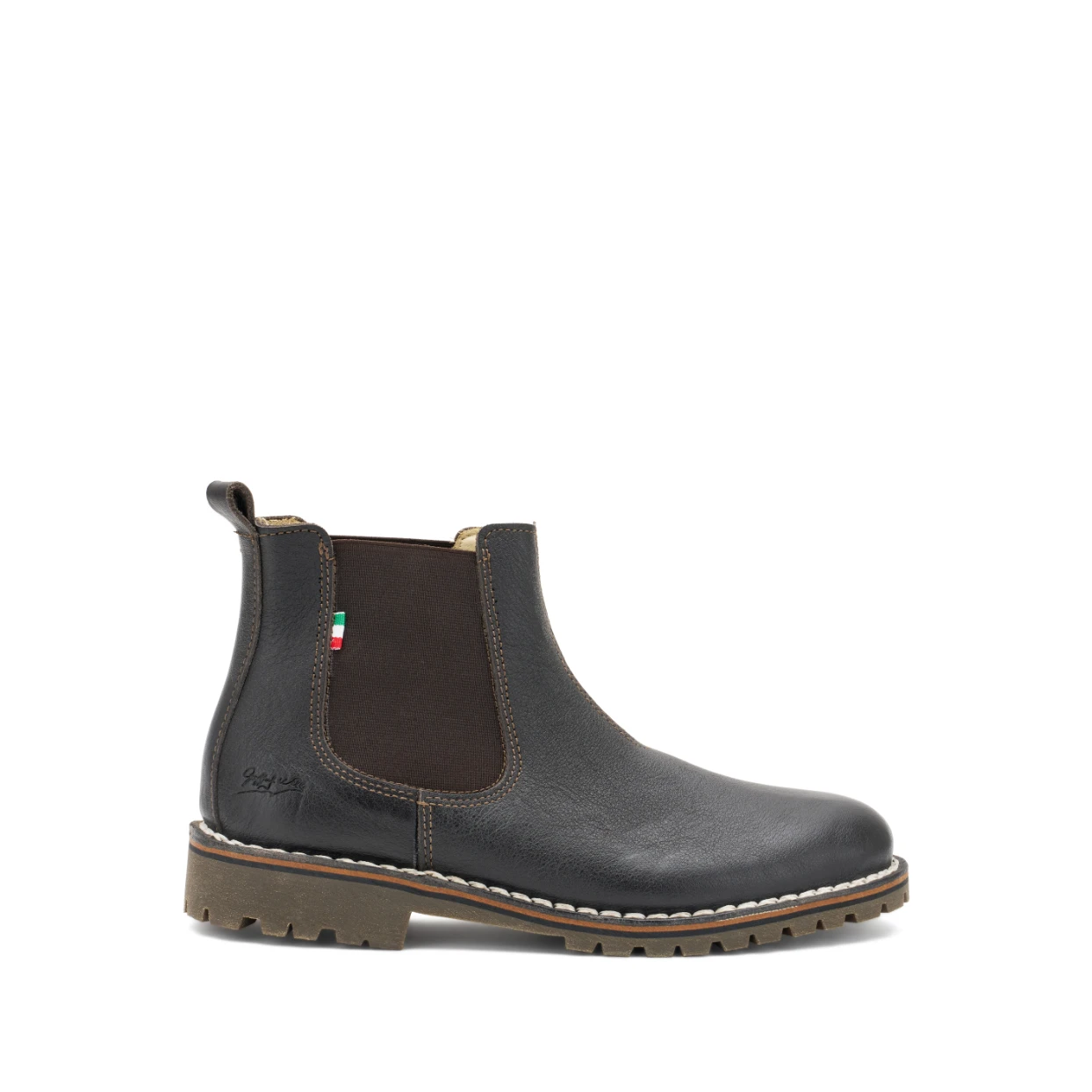
At Gronell we know how much it matters to have the right equipment at the right moment. If you are looking for handcrafted mountain boots designed to carry you across every trail, explore our range. Your feet — and your next adventures — will thank you.
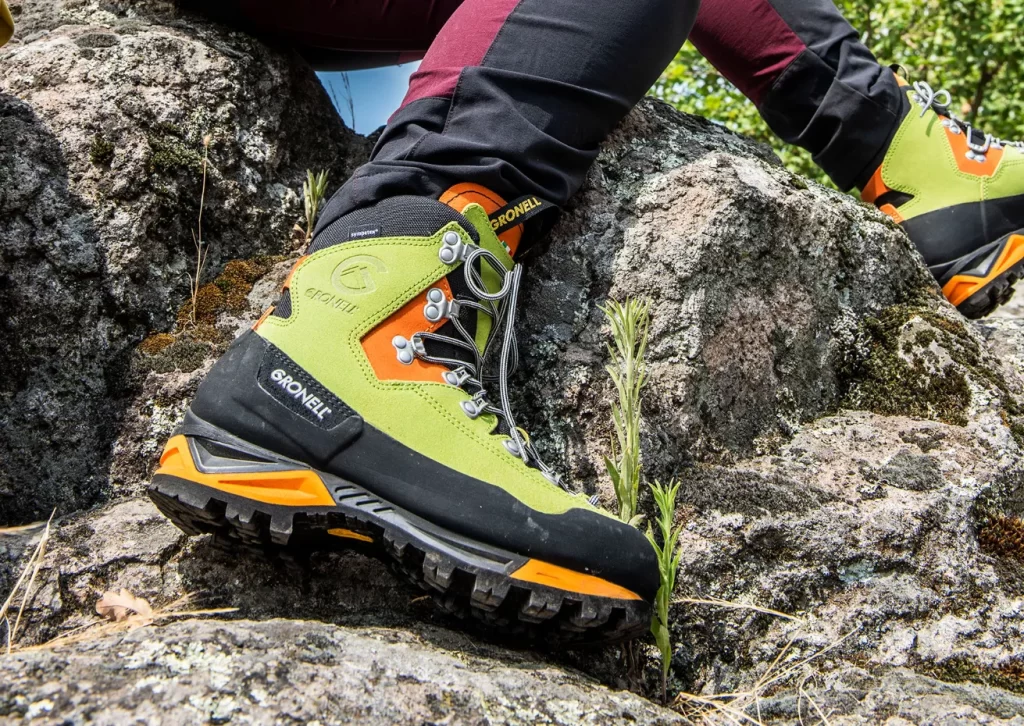
👉 Check out our perfect footwear for your next walks!
FAQ — Frequently asked questions
Can I hike in running shoes?
Not recommended on uneven or wet terrain. Running shoes do not offer the ankle support and grip required on mountain trails. A proper hiking boot or trail running shoe specifically designed for off-road use is a much better choice.
What should you never forget in a mountain backpack?
The three absolute non-negotiables are: enough water, a first aid kit, and something to keep you warm in the event of a sudden weather change. Everything else matters, but without these three you are putting yourself at risk.