Reading Time: 2 minutes
Are you passionate about the mountains and wondering whether your next challenge should be a high-altitude trail or a technical climb? Trekking and mountaineering share the same setting — the mountains — but differ profoundly in technique, equipment and approach.
Understanding these differences will help you choose the right activity and, crucially, the right footwear.
What is trekking and who is a trekker
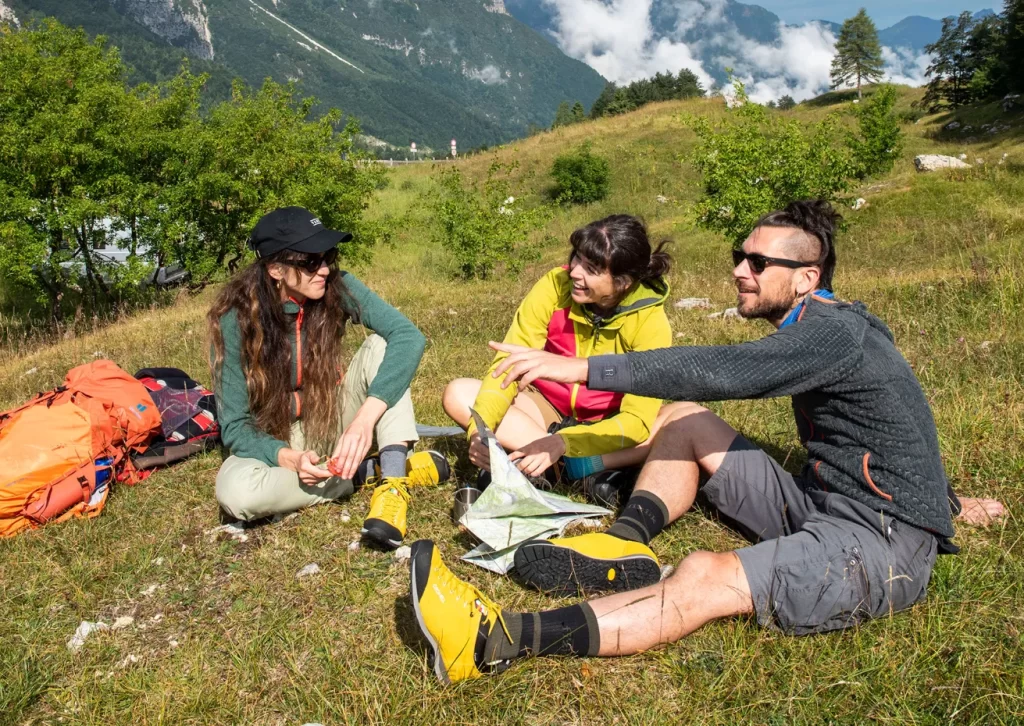
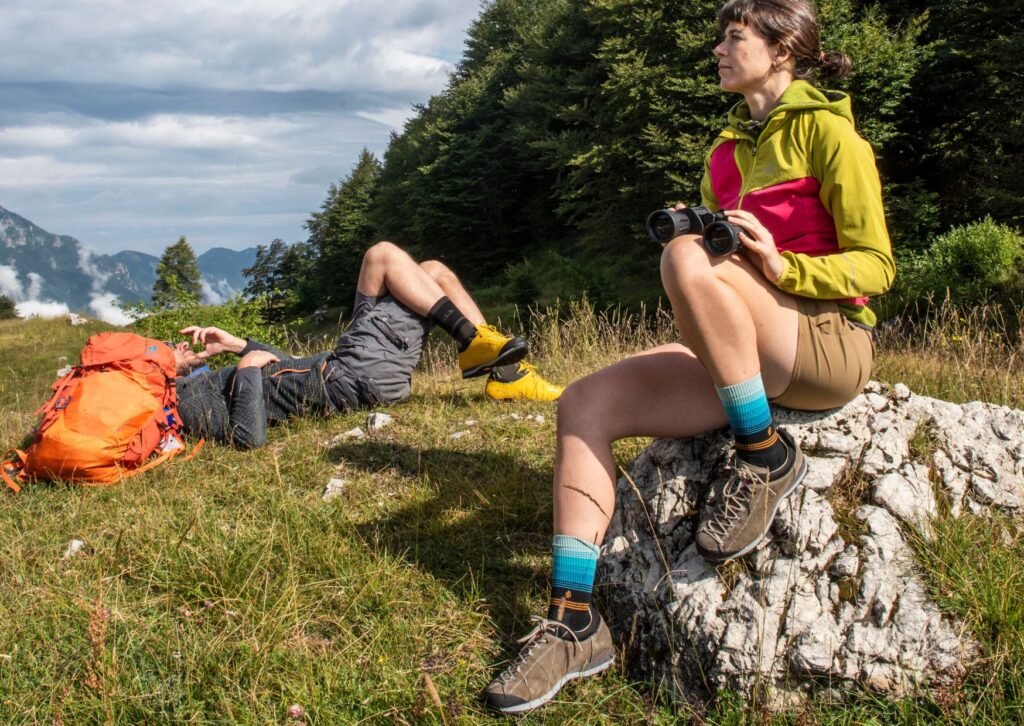
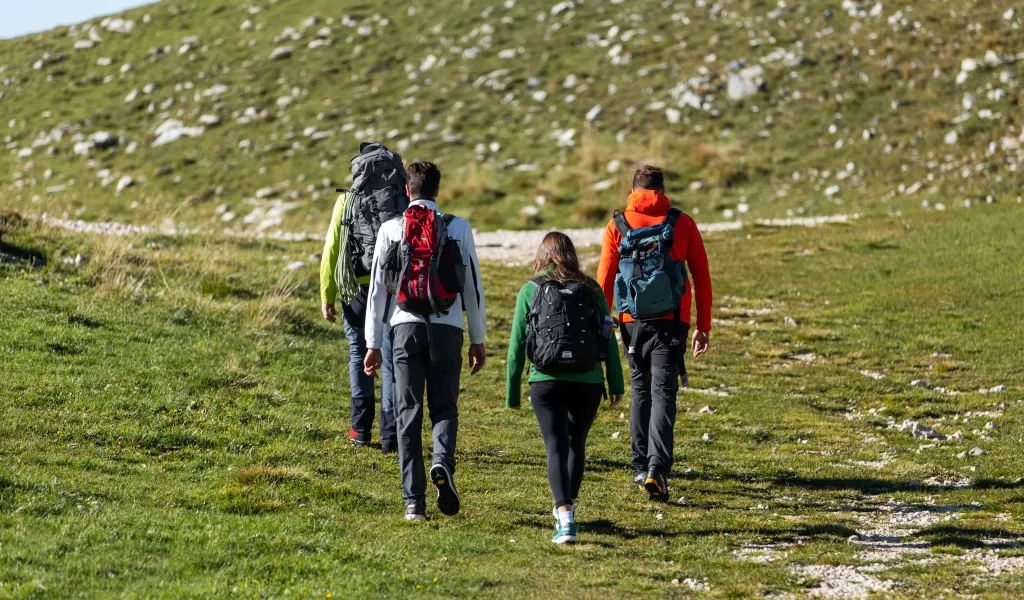
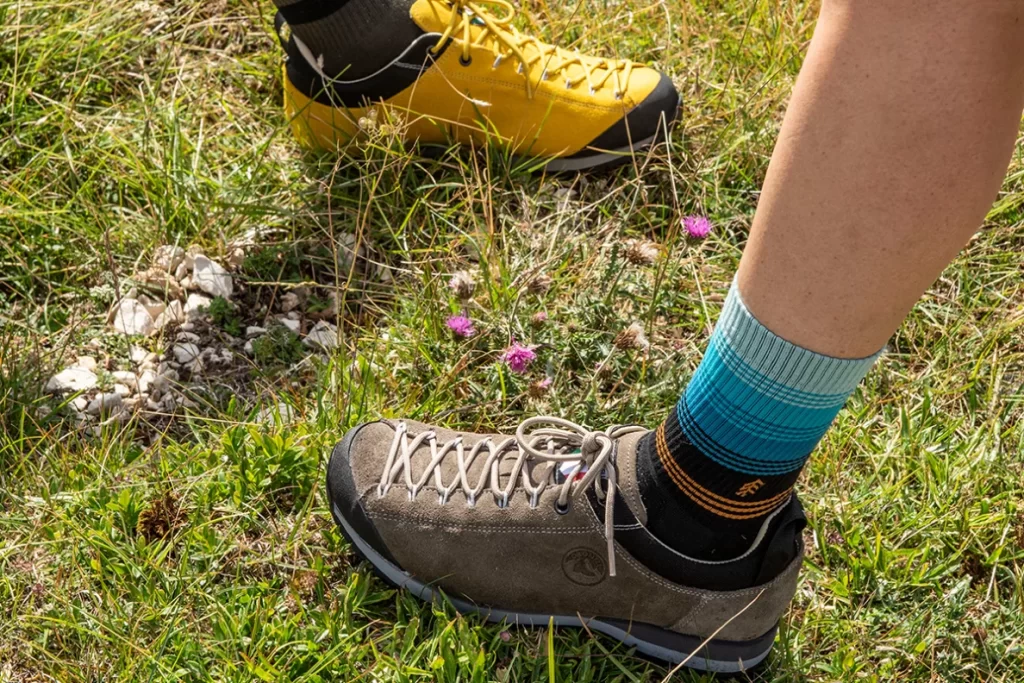
Trekking is the practice of walking along marked or traced mountain routes, without the need for climbing techniques or specialist equipment. It is accessible to a wide range of fitness levels, from beginners to seasoned walkers, and suits both day trips and multi-day traverses.
A trekker moves across varied terrain — dirt paths, mule tracks, high-altitude meadows — and needs stable footwear, technical layered clothing and good logistical preparation. No ropes, ice axes or knowledge of glacier or rock progression are required.
What is mountaineering and who is a mountaineer
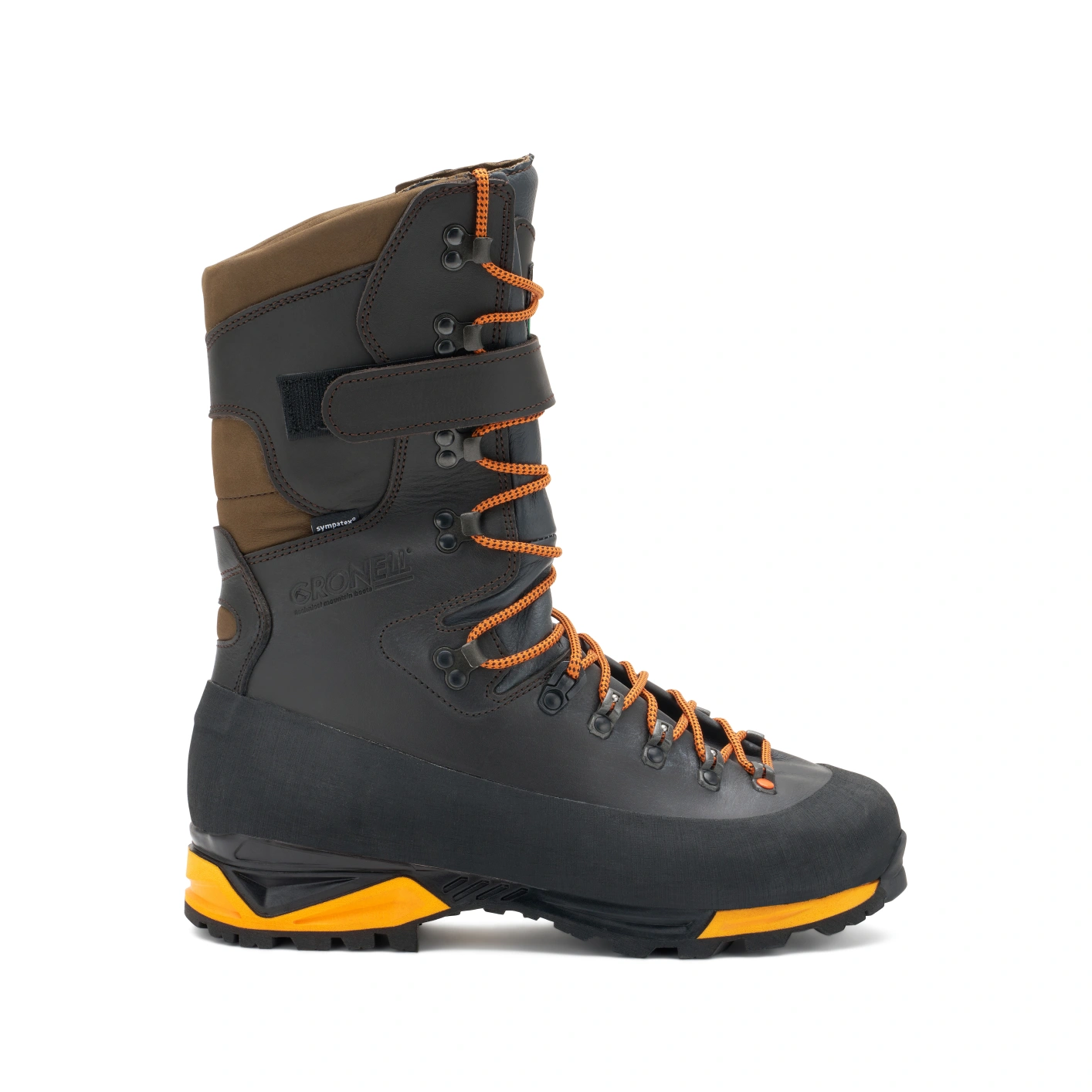
Mountaineering is the discipline of progressing across technical terrain: glaciers, rock faces, exposed ridges, steep snow. It requires specific training, progression technique, and the use of ropes, harnesses, crampons and ice axes. It is a more demanding activity, carrying a higher level of risk, and requires progressive experience.
A mountaineer must master belay techniques, read weather and terrain with competence, and be able to manage emergency situations at altitude.
The main differences at a glance
- Terrain: marked paths and trails for trekking; rock, ice and technical snow for mountaineering
- Equipment: backpack and boots for trekking; crampons, ice axe, rope and harness for mountaineering
- Training required: no specific technique for trekking; CAI courses or mountain guides for mountaineering
- Risk level: moderate for trekking; high for mountaineering
- Accessibility: high for trekking; requires progressive preparation for mountaineering
👉 Looking for the perfect boots for your next adventures? Check out our models
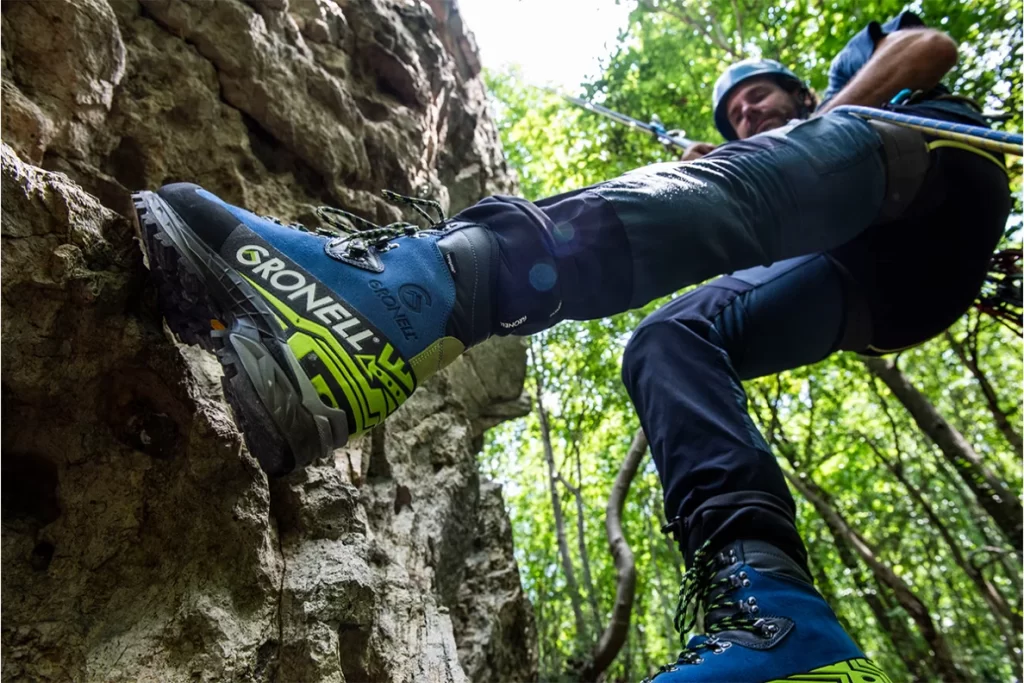
How to choose the right boots
Choosing between trekking boots and mountaineering boots is one of the most important decisions for anyone who spends time in the mountains. The differences are substantial, and using the wrong model can compromise both comfort and safety.
Trekking boots
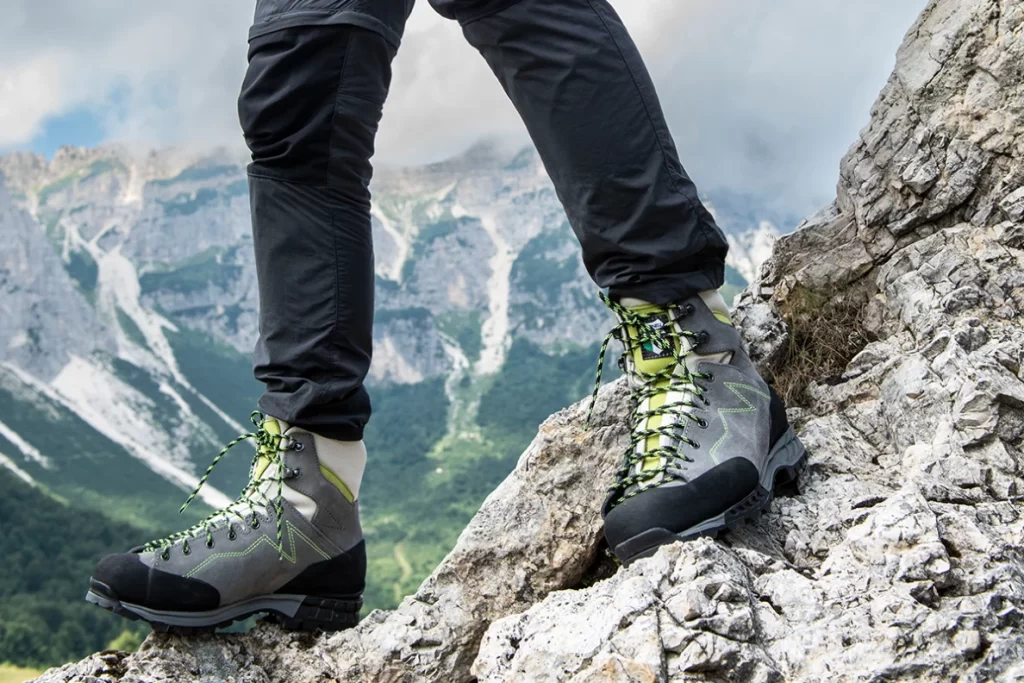
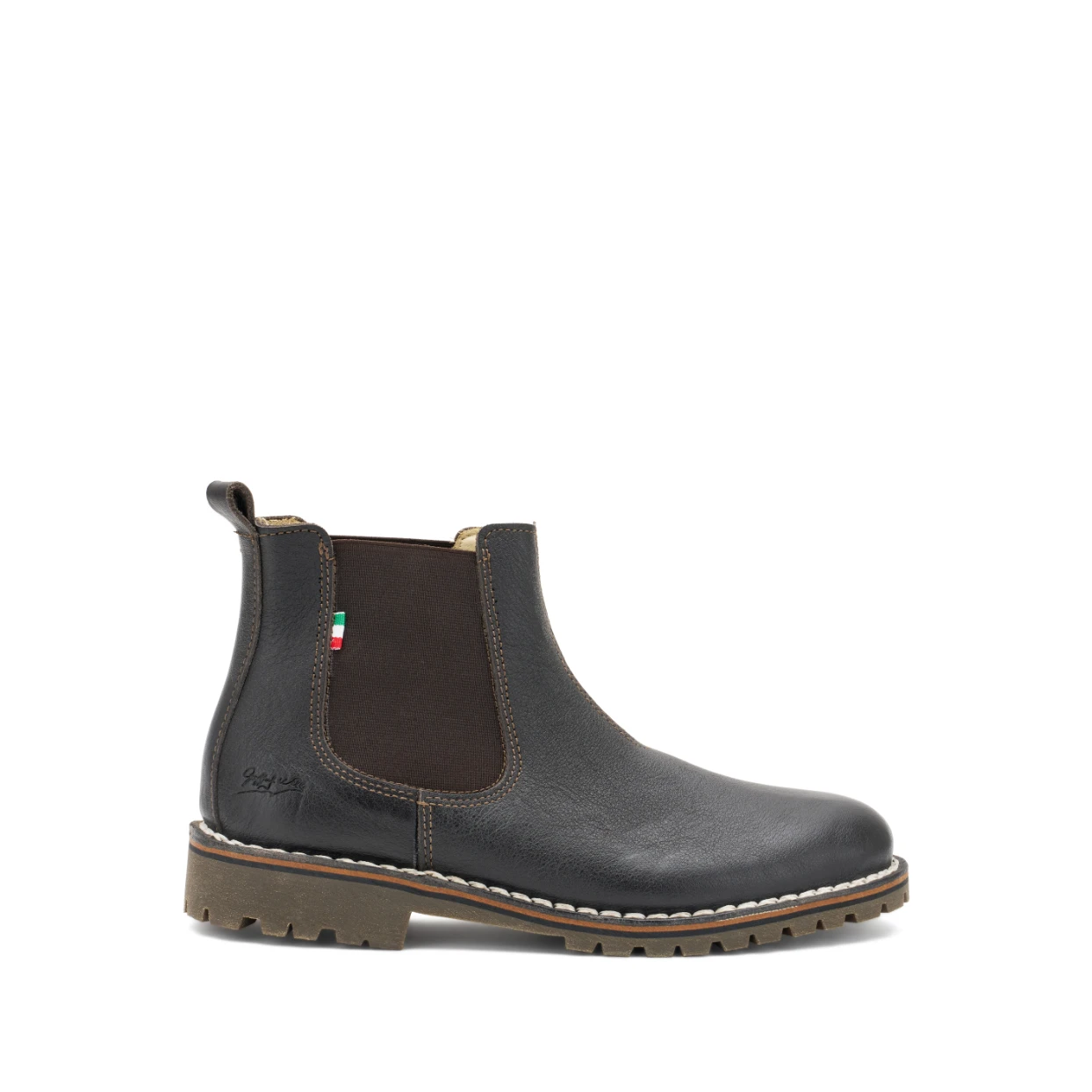
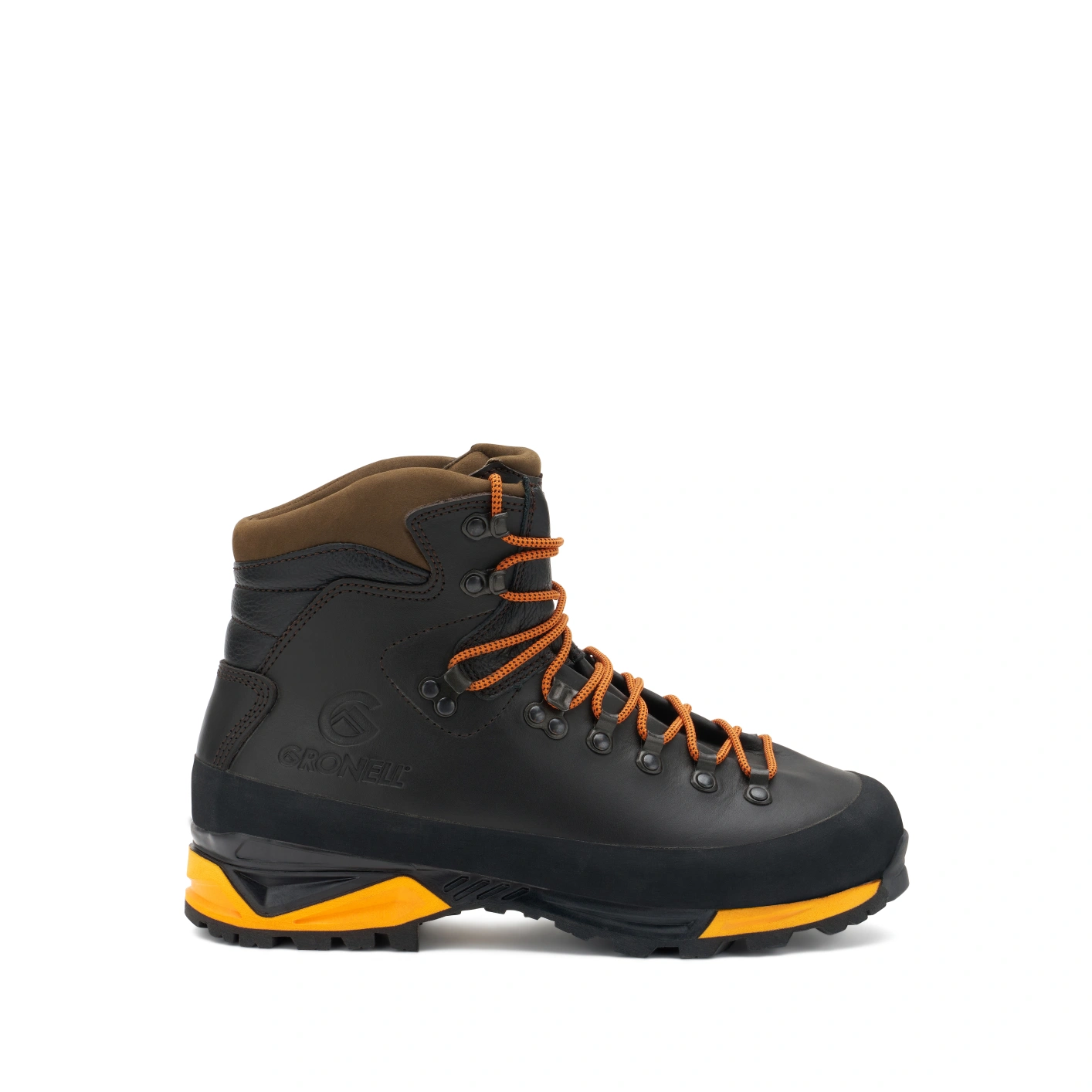
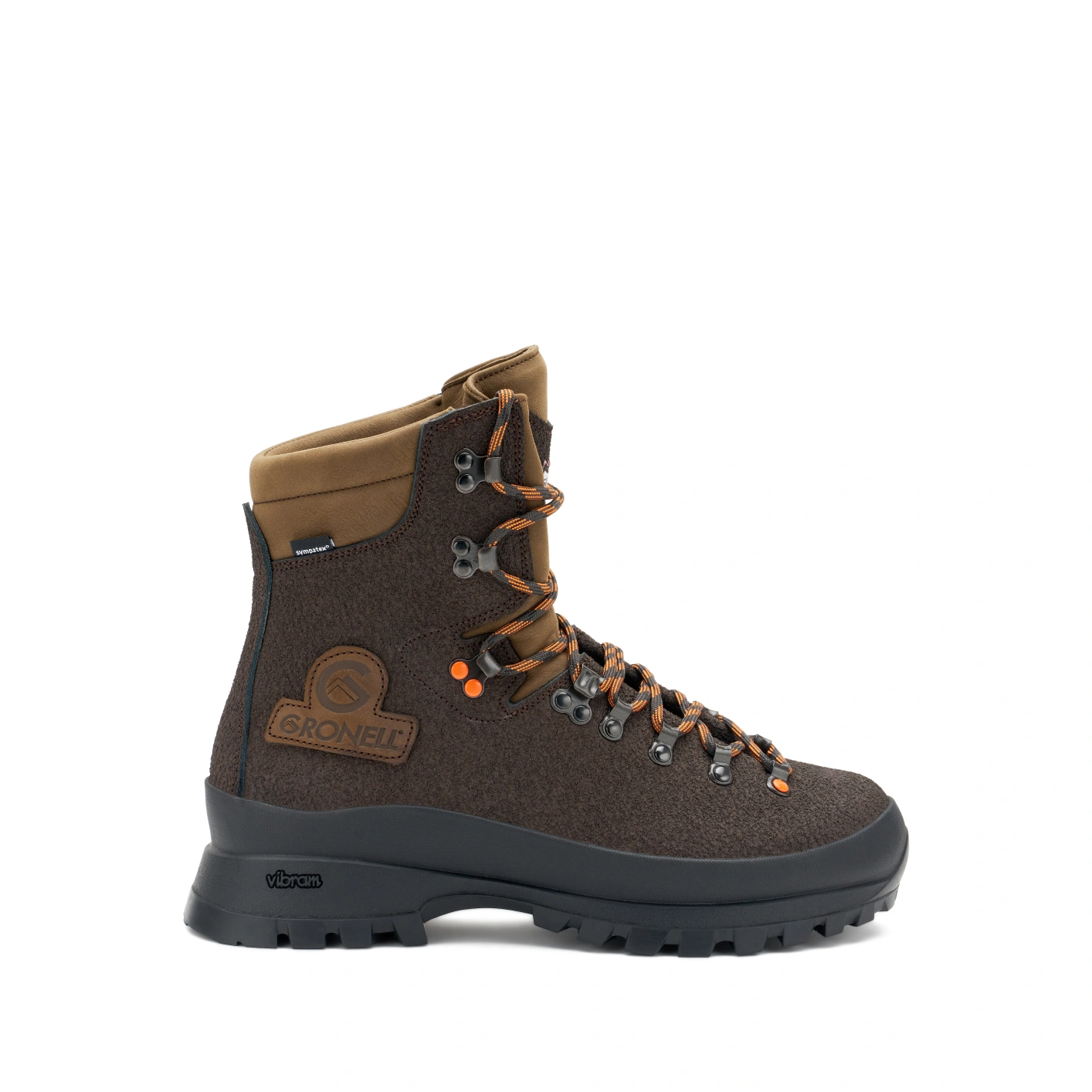
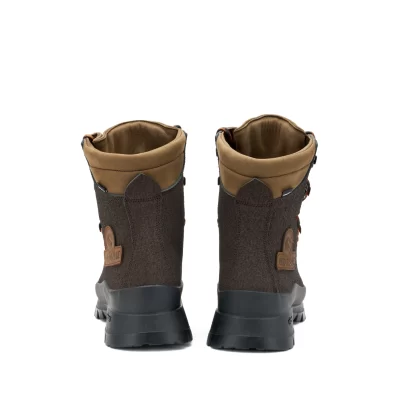
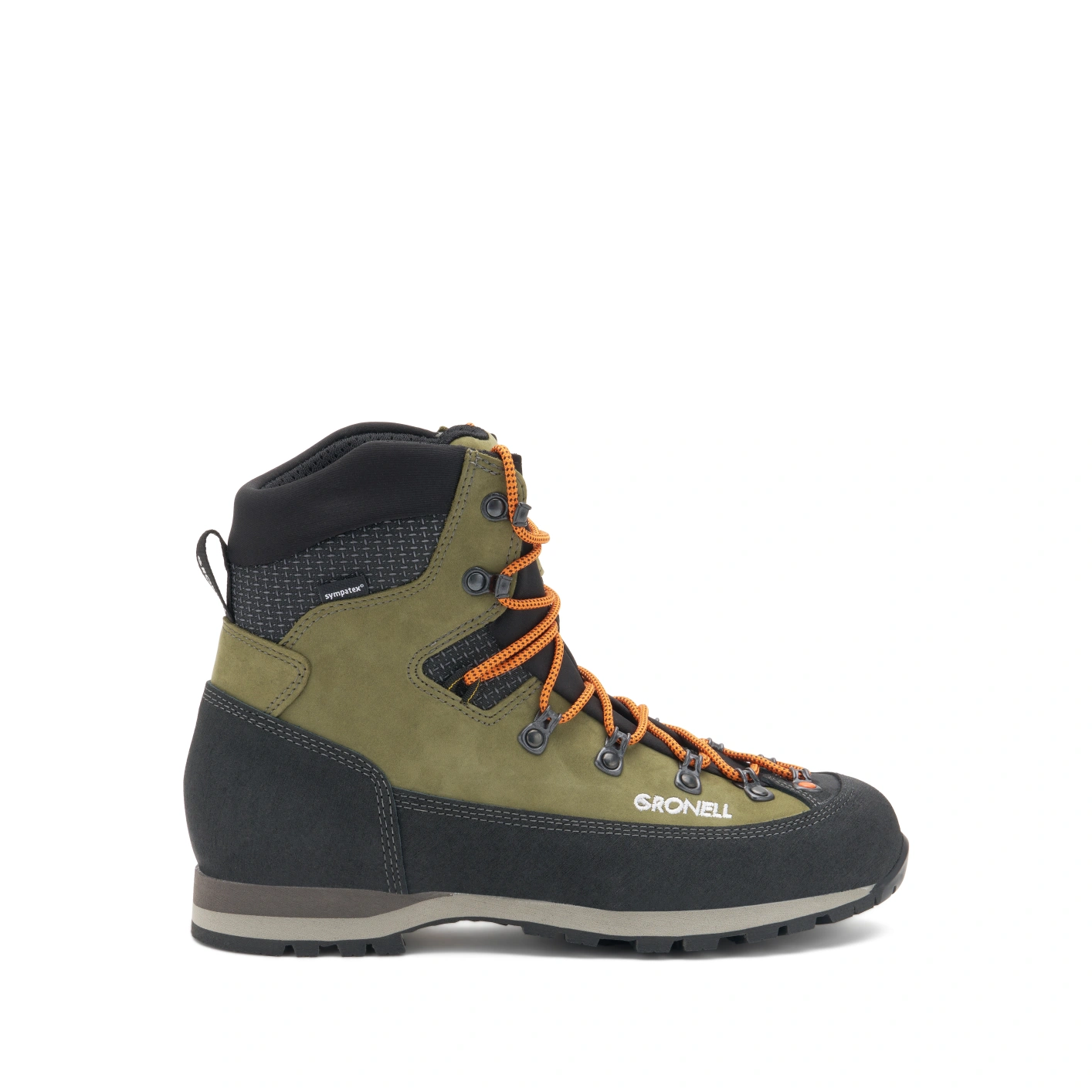
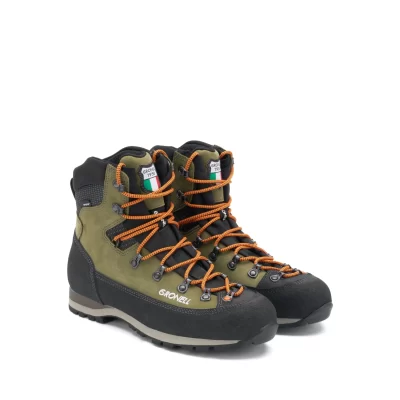
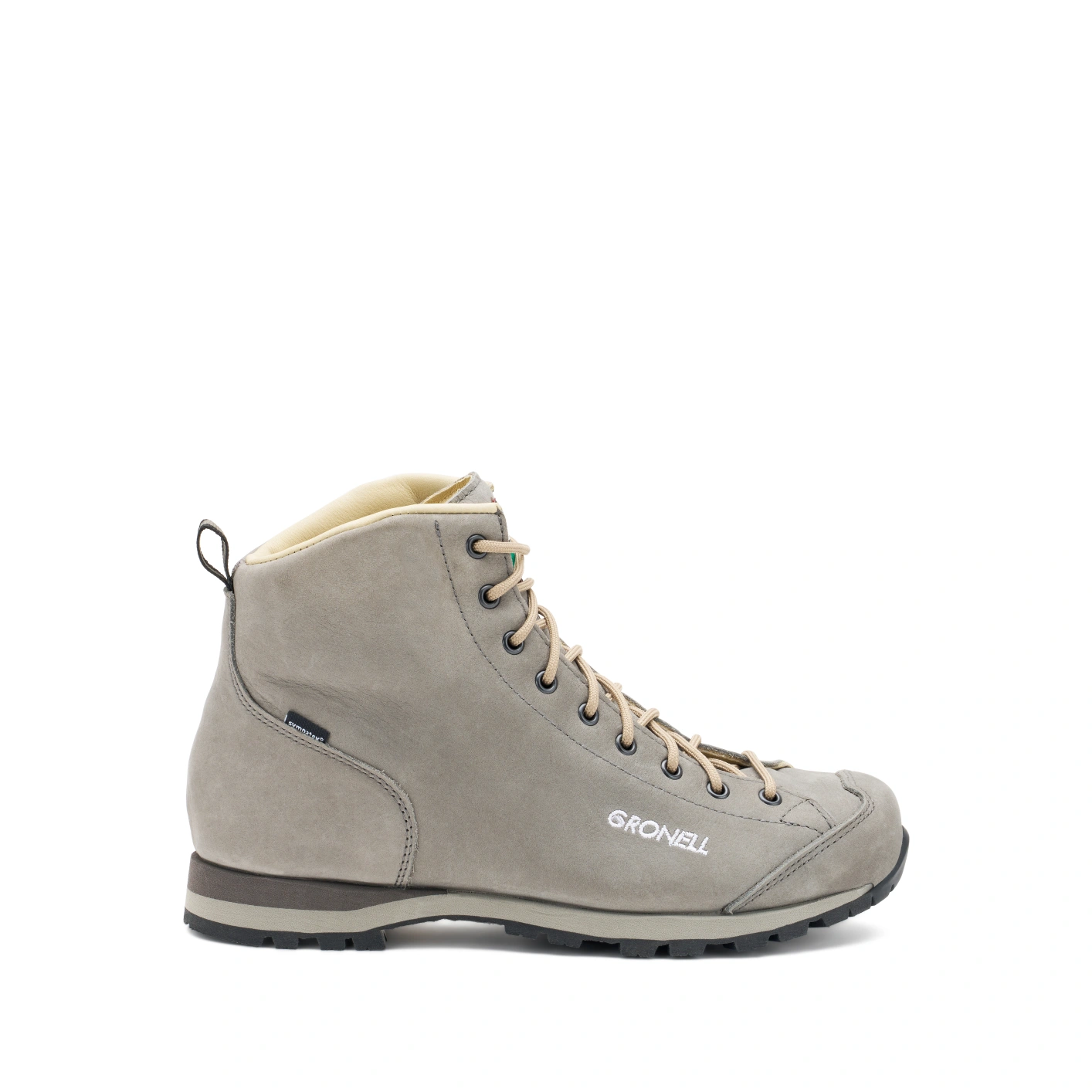
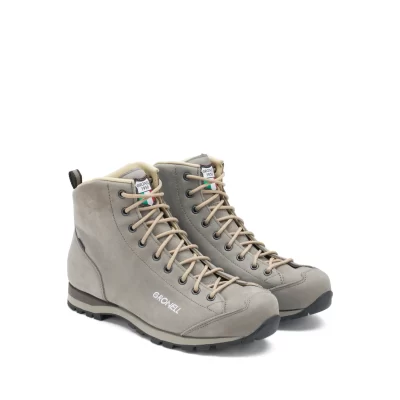
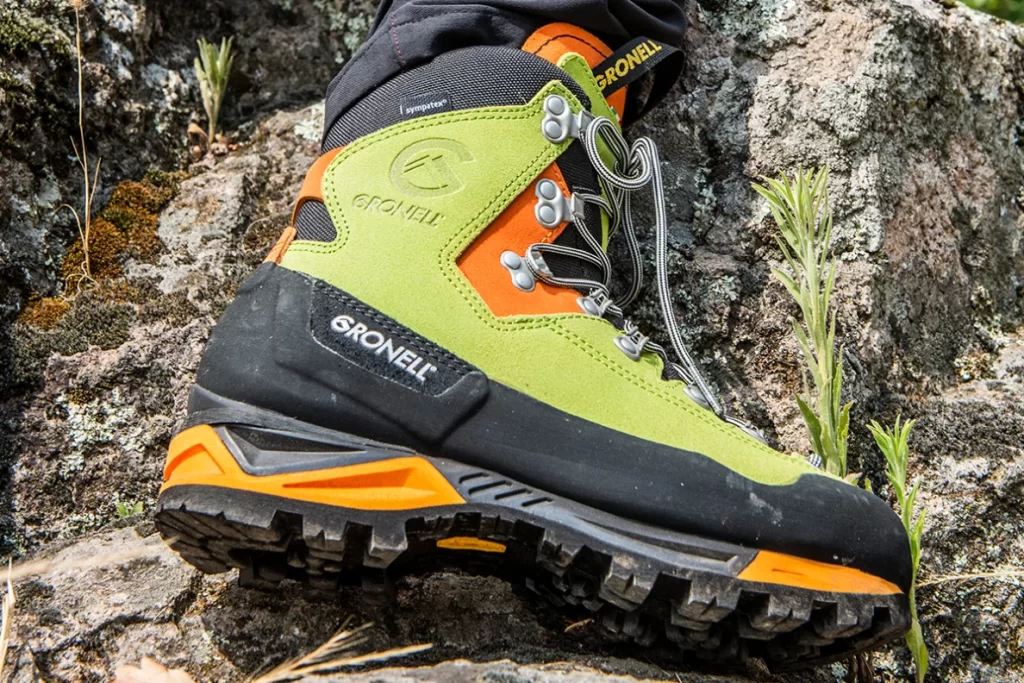
Trekking boots are designed to offer comfort over long distances, good cushioning and protection on varied but non-technical terrain. They have a flexible sole in the forefoot area, allowing a natural walking gait, and lateral ankle support. Ideal for marked trails, multi-day hikes, non-technical high altitude.
Mountaineering boots
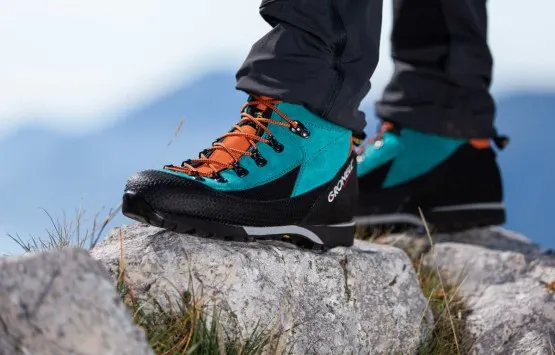
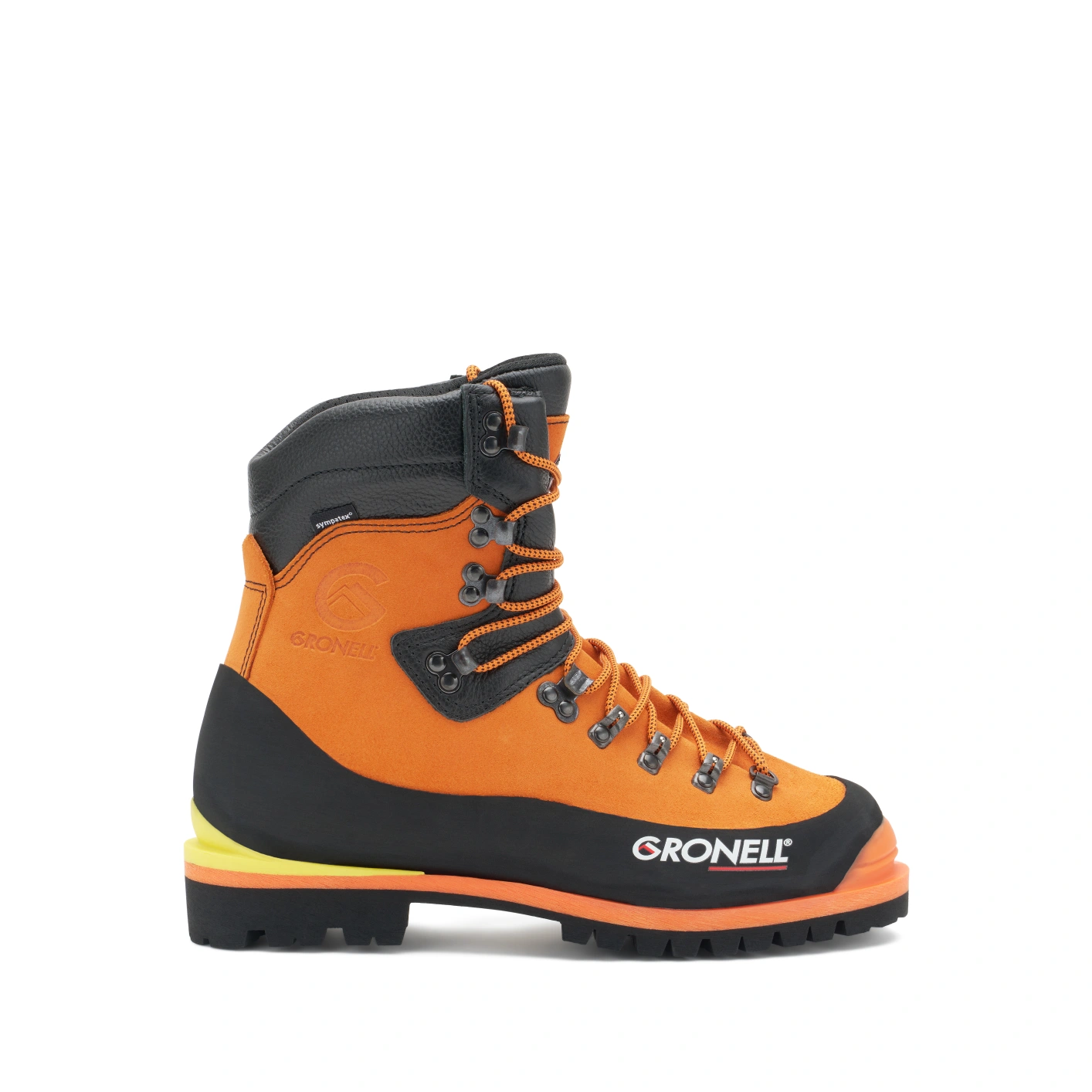
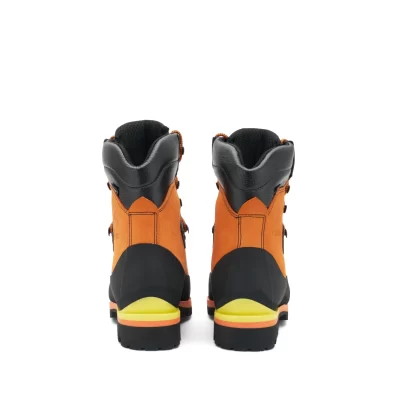
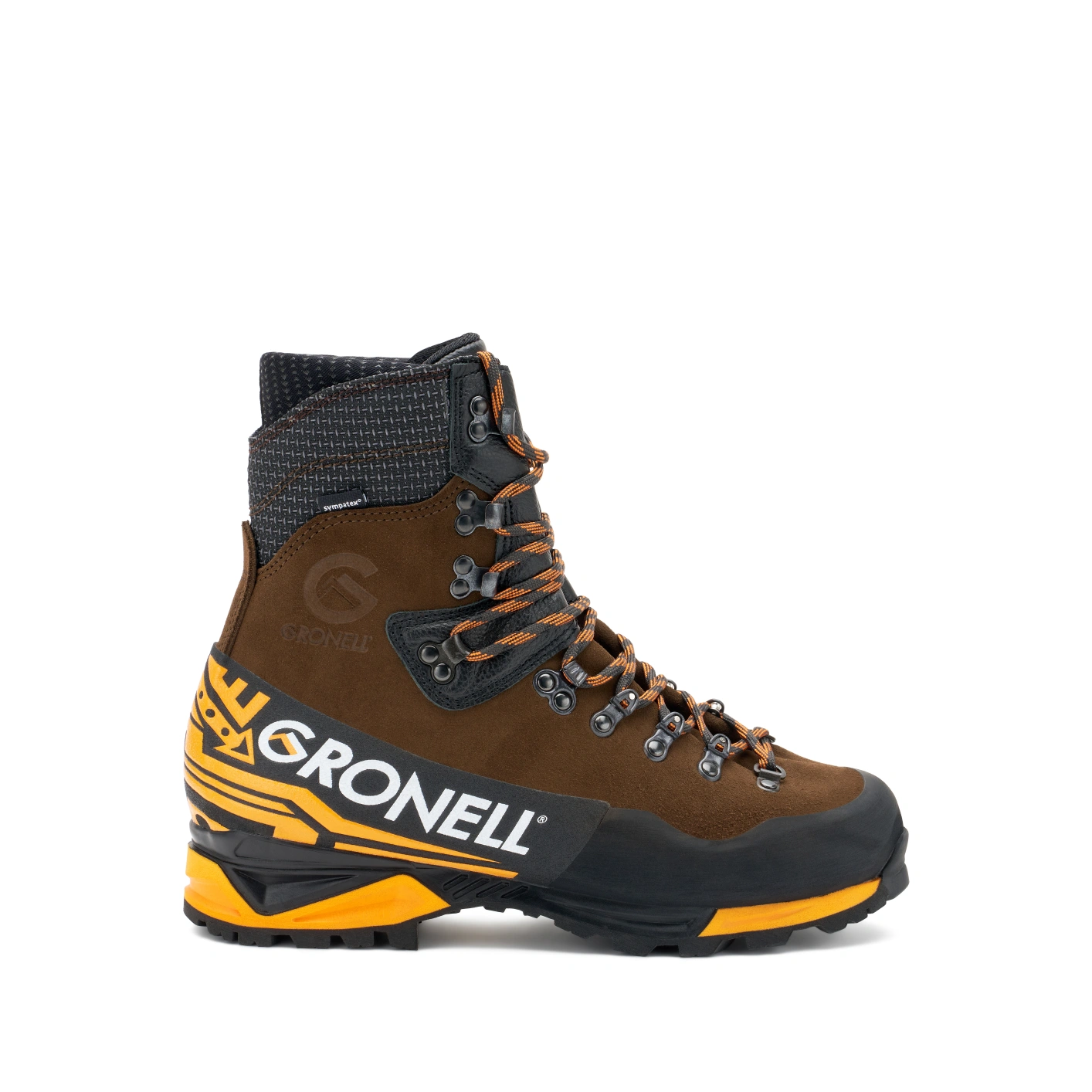
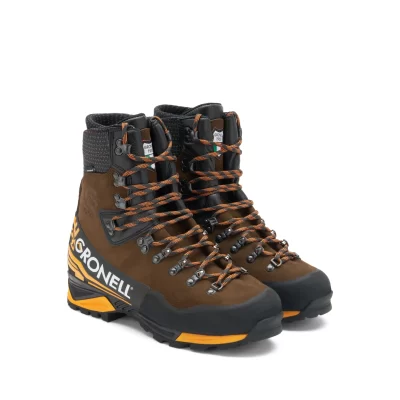
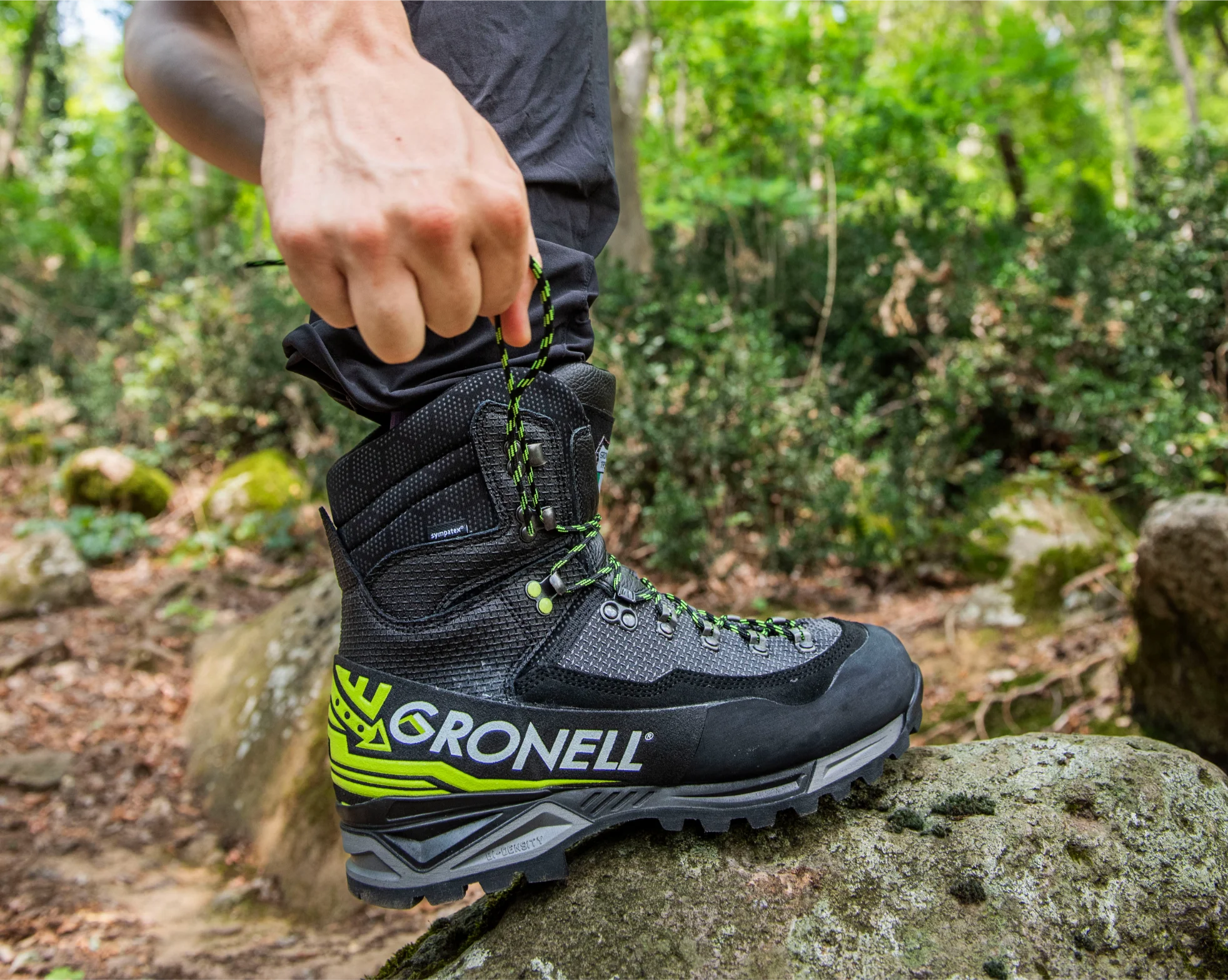
Mountaineering boots are built for technical precision. They have a much stiffer sole, compatible with crampons, and a structure that faithfully transmits every foothold on rock or ice. Comfort is secondary to performance and safety on extreme terrain. Ideal for demanding via ferratas, glaciers, rock faces, winter alpinism
Gronell tip: if you are new to the mountains, always start with a good pair of trekking boots and build your experience on the trail. Mountaineering is a natural progression for those who want to raise the bar — but it requires solid foundations.
👉 See also “What to Pack in Your Backpack for a Mountain Hike”
How to understand which discipline is right for you
There is no universal answer, but these questions will help you find your direction:
- Do you prefer walking immersed in the landscape, or does the technical challenge of vertical progression appeal to you?
- Do you already have mountain experience, or are you heading out for the first time?
- Do you want an activity the whole family can enjoy, or are you looking for an individual challenge?
- Are you prepared to attend technical courses and invest in specialist equipment?
If you answered yes to the first options, trekking is your dimension. If you feel the pull of technical altitude, mountaineering is the next chapter to write — with the right preparation.
Trekking and mountaineering are not mutually exclusive
Many enthusiasts practise both disciplines at different times of year or at different stages of their athletic development. Trekking remains a fundamental base even for experienced mountaineers: miles of trail build endurance, pace and an understanding of the terrain. Mountaineering, in turn, gives the trekker an awareness of mountain terrain that is hard to acquire any other way.
Whatever your choice, what matters is starting out with the right equipment. From boots to technical clothing, every piece of gear must be chosen according to the terrain you want to tackle.
👉 Choose the right boots for you
FAQ — Frequently asked questions
Can I use trekking boots for mountaineering?
On easy via ferratas, yes. On technical terrain (glaciers, steep faces), no. Trekking boots do not have the stiffness required for crampons and do not offer the precision needed on exposed rock.
What is the difference between a via ferrata and mountaineering?
Via ferratas are routes equipped with fixed cables, ladders and metal rungs, accessible with a specific kit but without true alpine technique. Mountaineering requires autonomous progression on unequipped terrain.
👉 See also "Snow trekking: 5 tips for choosing the ideal day"