Reading Time: 2 minutes
March and April mark the reopening of hiking trails — but is your body really ready? Here’s how to prepare after winter so you can return to the mountains without injuries and with maximum enjoyment.
Spring marks the return of light, colors, and open trails. After months of pause, the desire to lace up your boots and head back to the mountains is strong.
But there’s one aspect of spring trekking that many people underestimate: in the meantime, the body has “fallen asleep.”
Starting again without proper preparation can lead to cramps, muscle soreness, blisters, or minor injuries that risk compromising your first outings. And a bad hike in March can dampen your enthusiasm for weeks.
Let’s see how to get back into trekking after winter the right way.
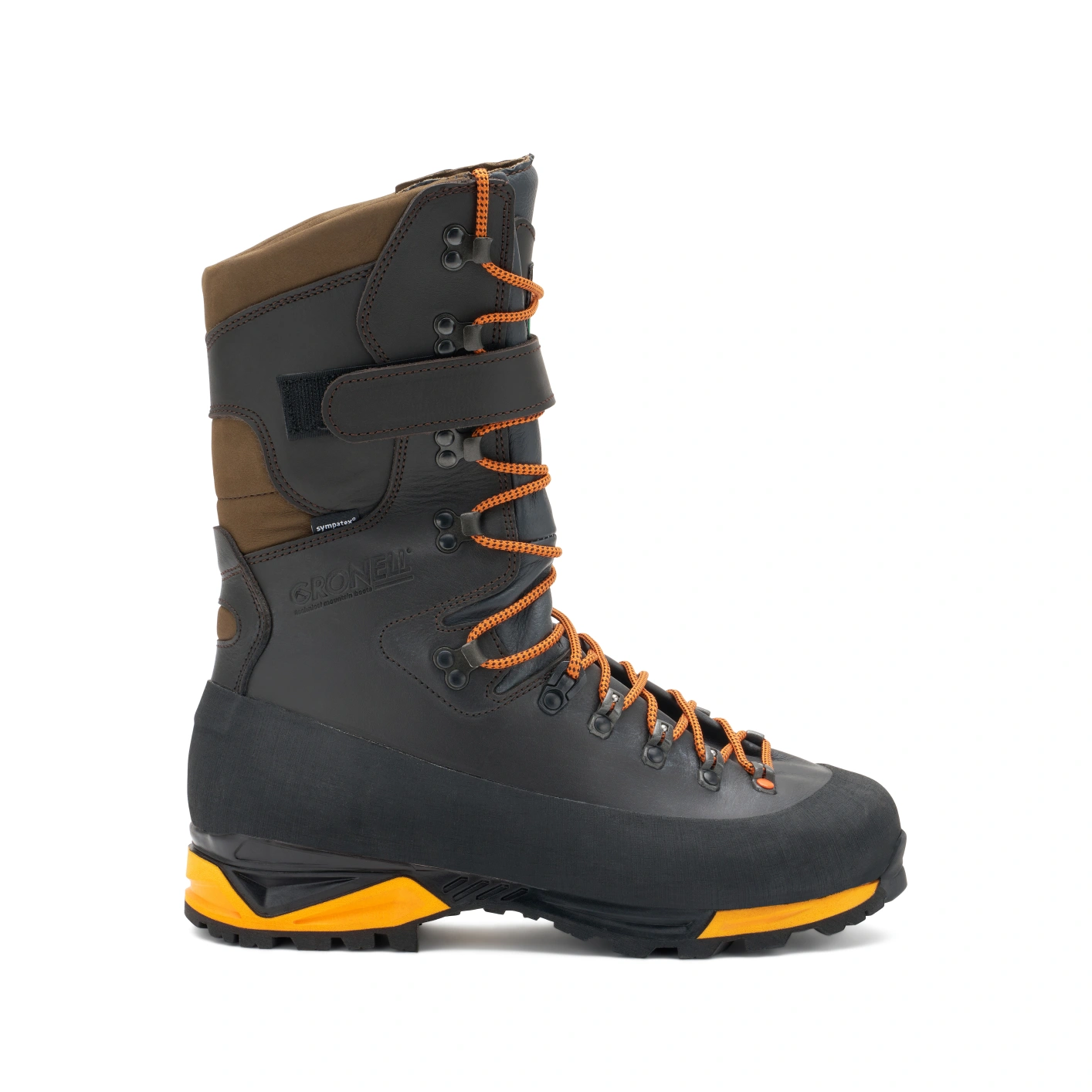
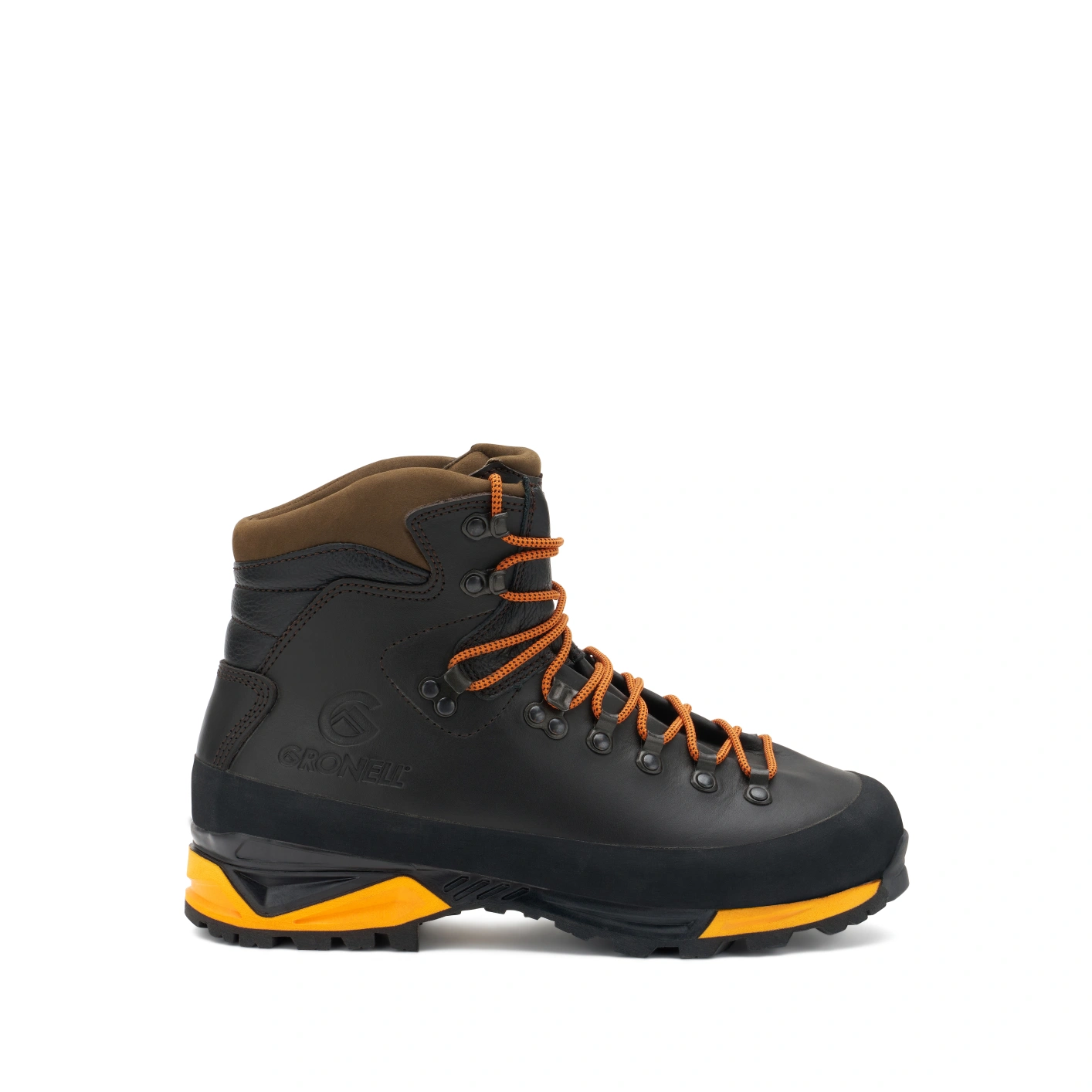
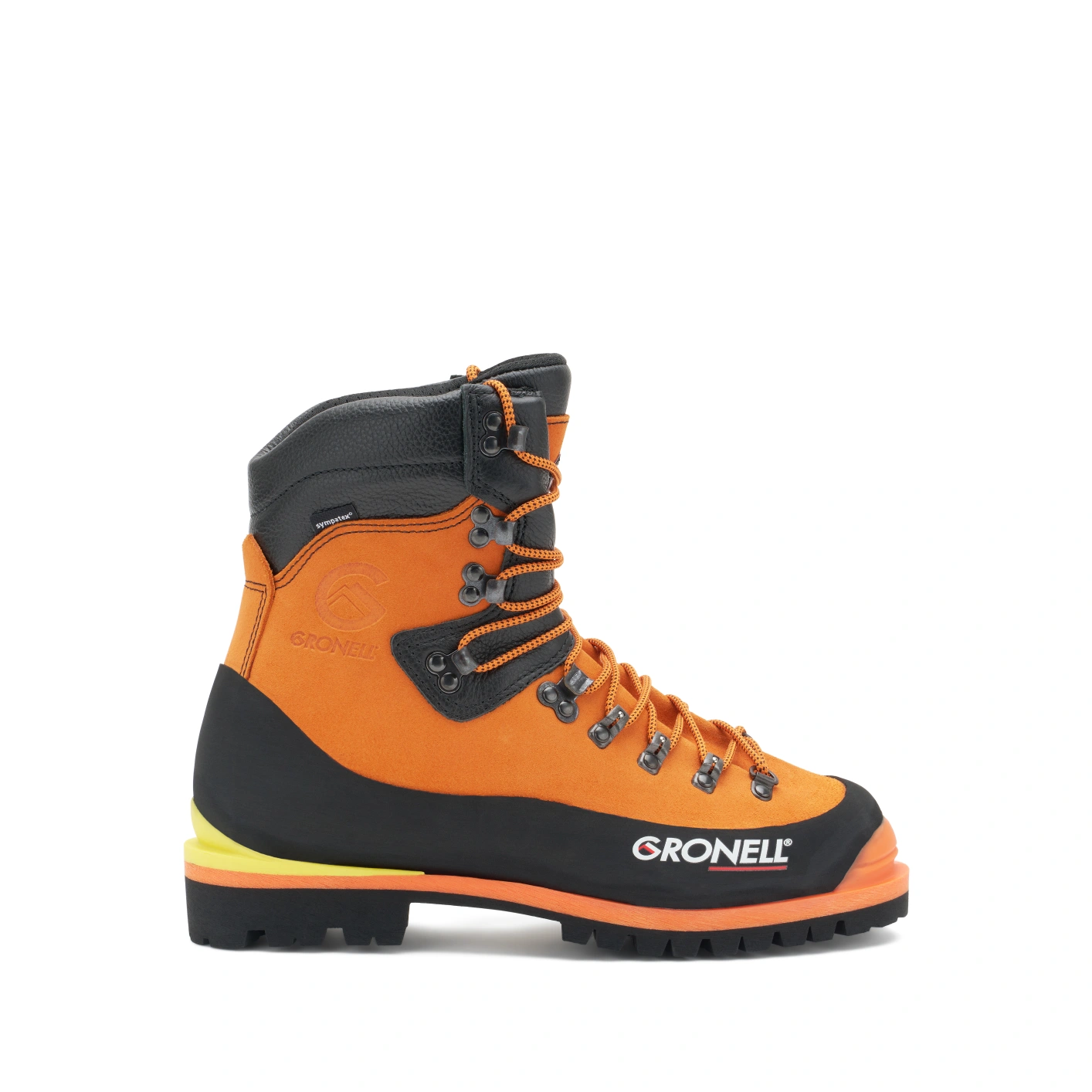
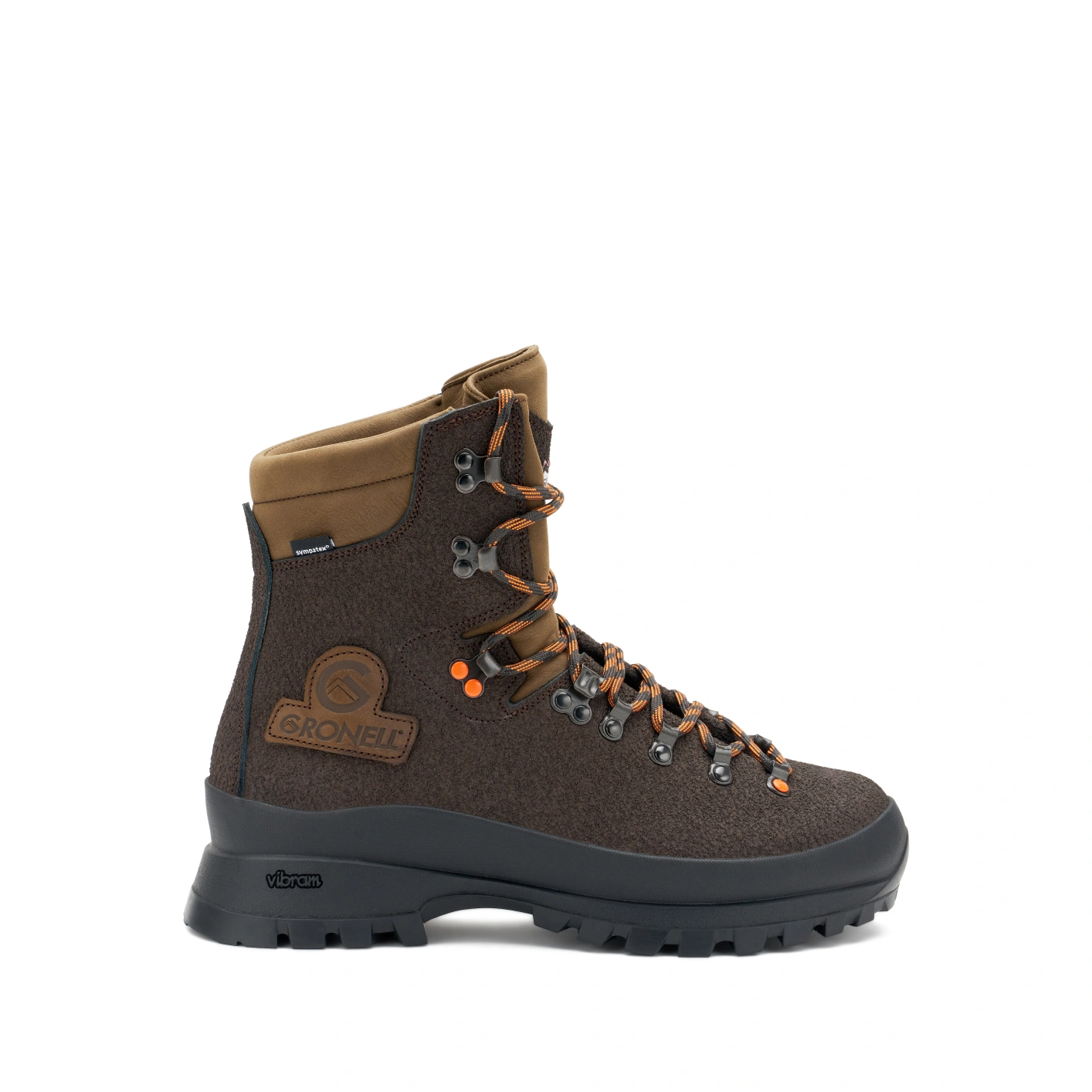
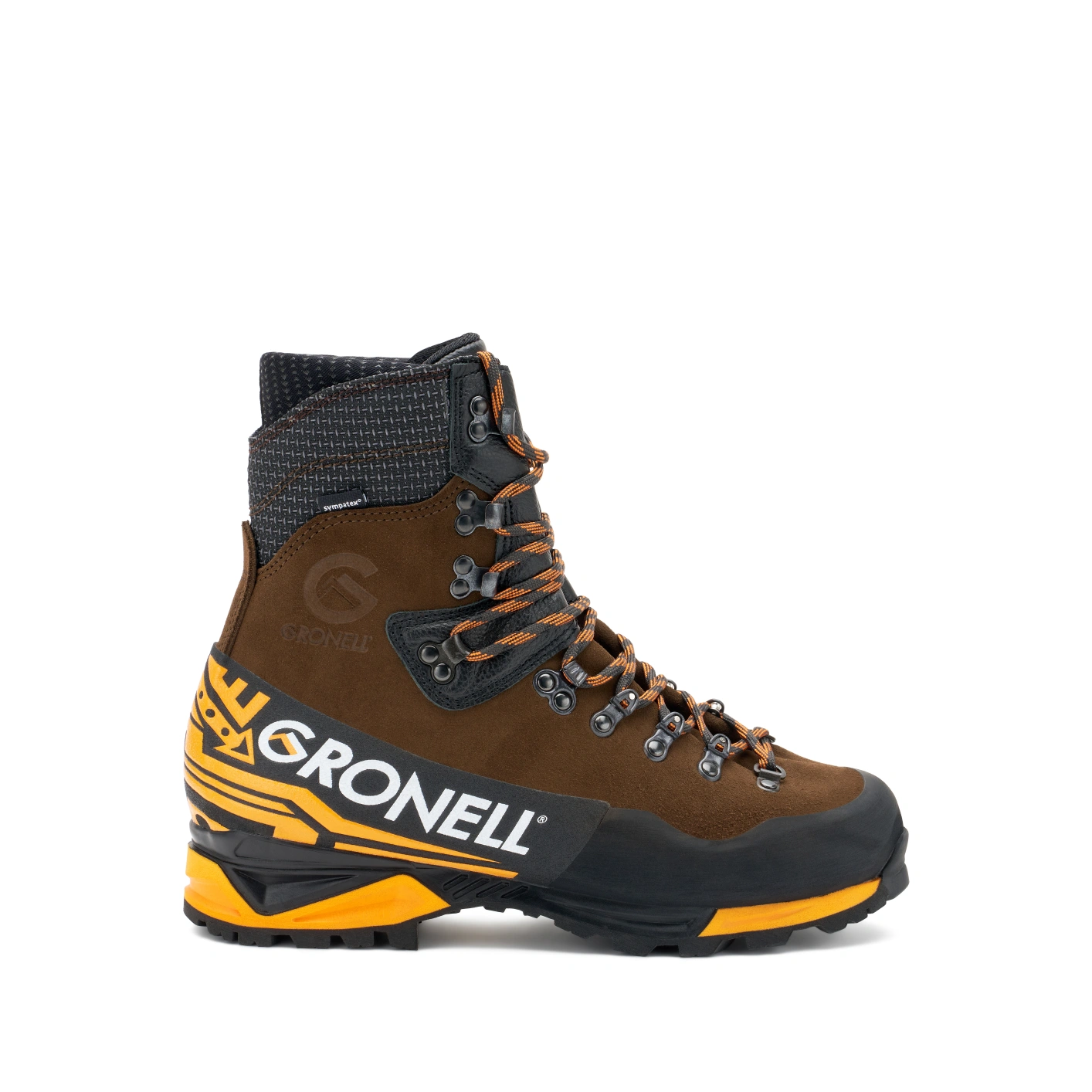
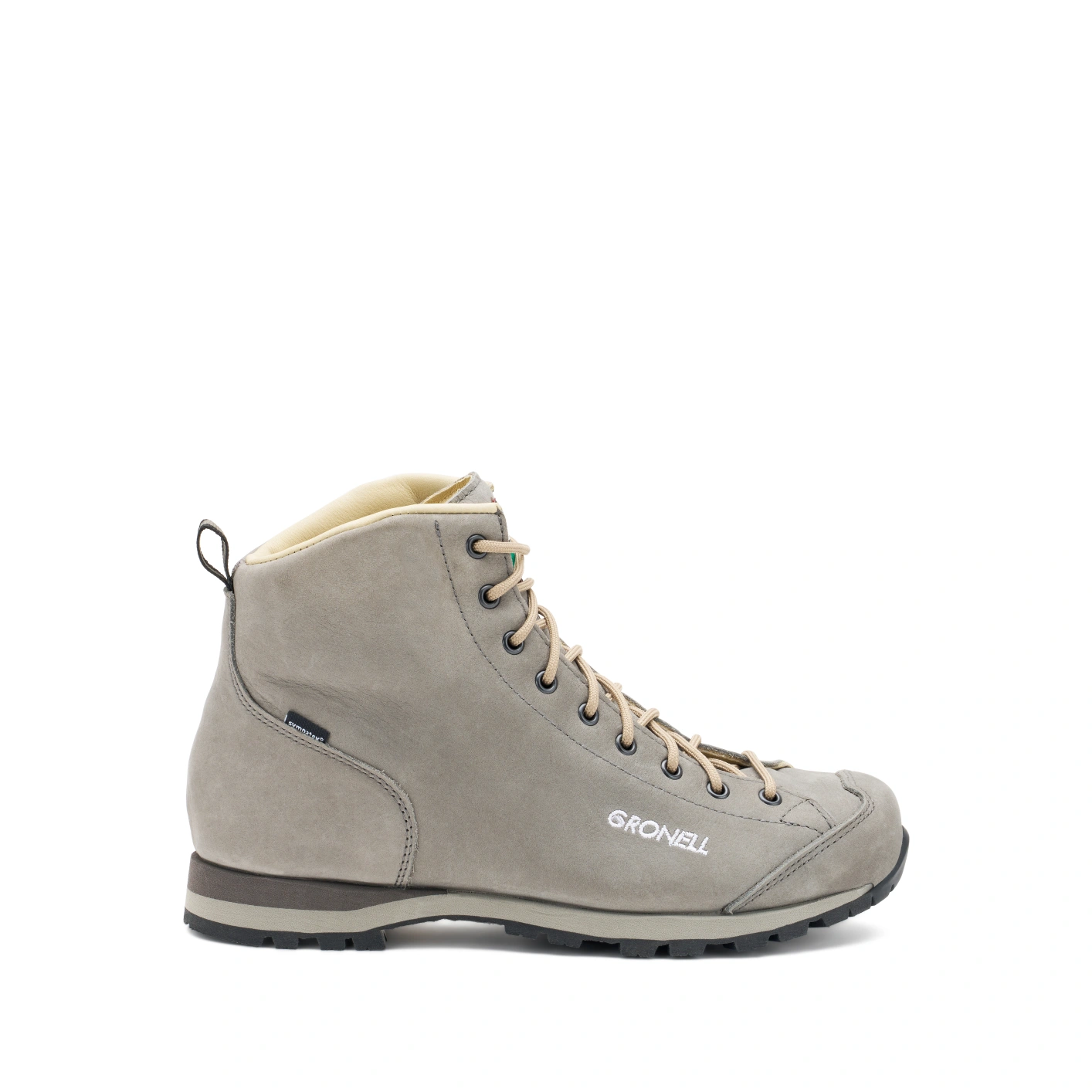
Looking for the perfect boots for your next adventures? Check out our models
Spring in the mountains is beautiful, but it hides some pitfalls
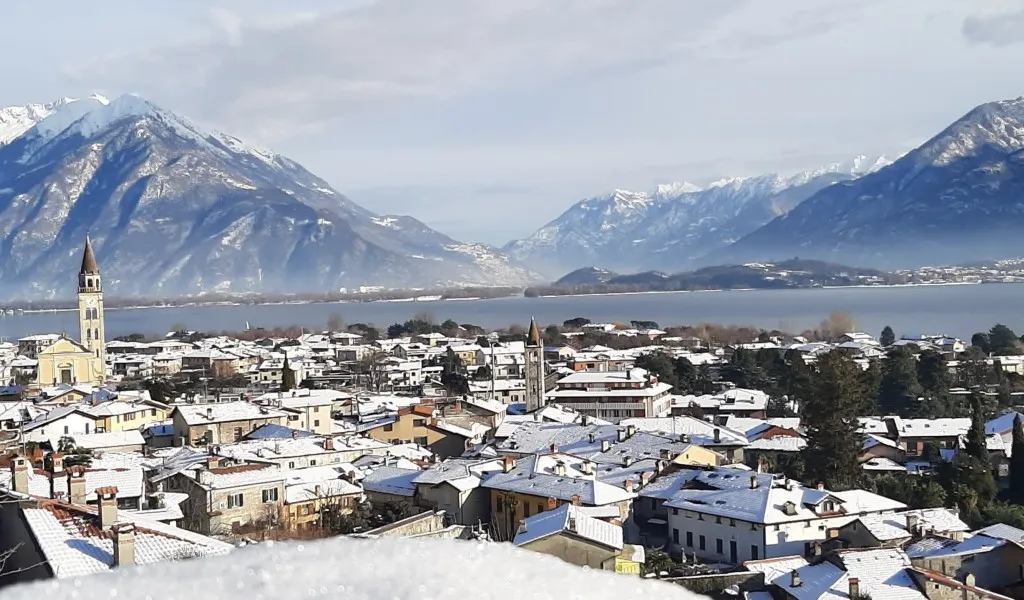
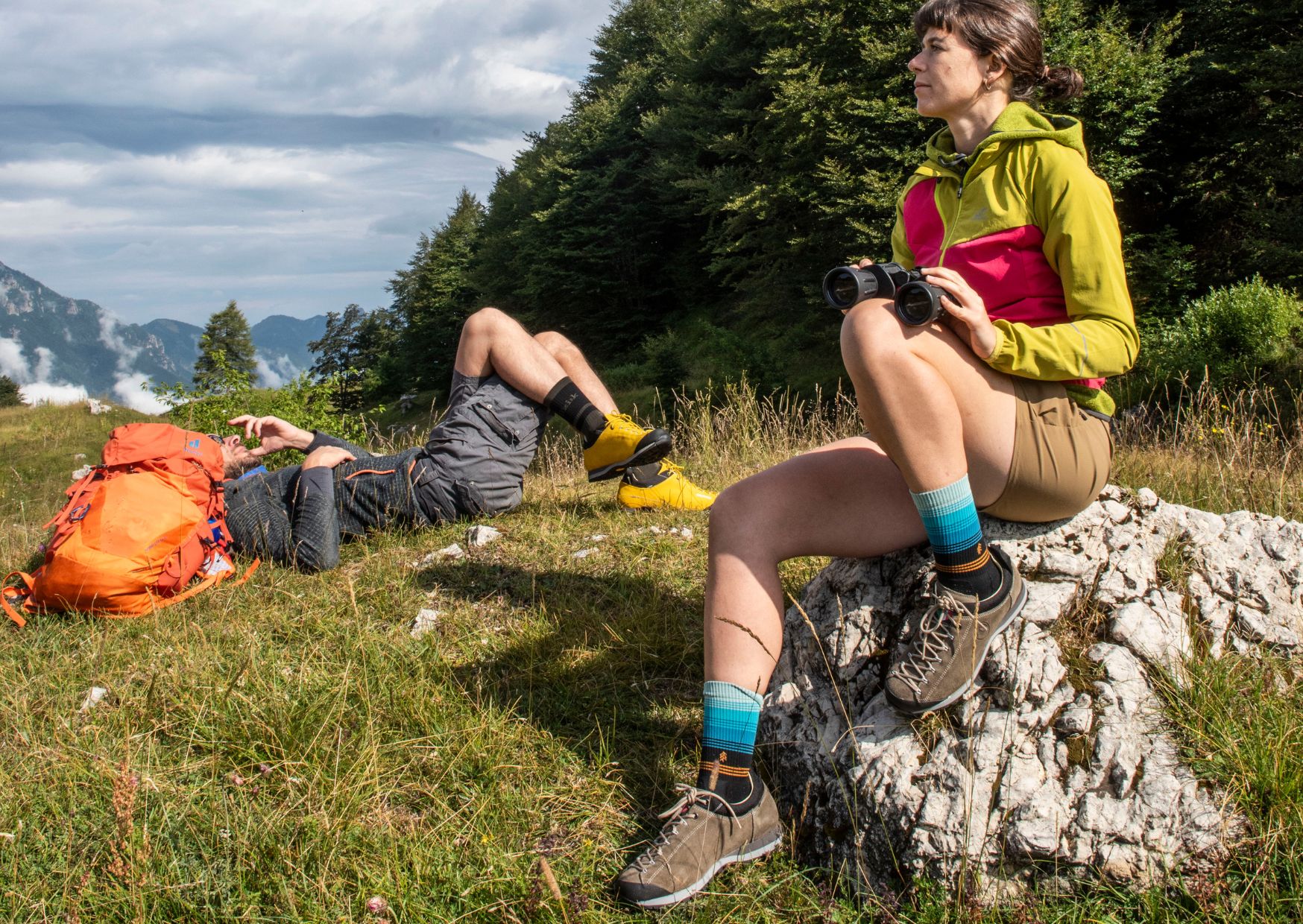
Spring hikes in Italy offer extraordinary landscapes: blooming meadows, crisp air, and mild temperatures.
But between thawing snow, unstable terrain, and less-than-optimal physical preparation, the risk of overestimating yourself is real. Spring is a transition season: the body needs to readjust to effort, and the mountains are not yet completely “stable.”
The “winter gap” problem: what happens to the body when you stop hiking
Loss of muscle tone
Even trained hikers can lose 10–15% of their specific muscle strength after 6–8 weeks of inactivity.
The muscles most affected are precisely those essential for mountain hiking: quadriceps, calves, and ankle stabilizers.
On the ascent they support your weight.
On the descent they protect your joints.
Reduced aerobic capacity
Cardiovascular endurance decreases faster than most people think.
Climbs that felt easy in September may become challenging again in March.
Feet that are “out of practice”
After months of wearing comfortable flat shoes, your feet lose their adaptation to technical hiking boots.
If you start again with long routes or significant elevation gain, blisters and irritation are almost inevitable.
How to prepare physically in the 3–4 weeks before your first hike
Proper preparation for spring trekking doesn’t require extreme workouts — just gradual progression and consistency.
Week 1–2: muscle reactivation
- Daily walks of 30–45 minutes, even in the city
- Routes with small terrain variations
- Exercises for quadriceps, calves, and ankles
- Evening stretching for joint mobility
The goal is to reactivate the body, not exhaust it.
Week 3–4: progressive load
- Add gradual elevation gain (stairs or hills)
- Walk with a light backpack (5–6 kg / 11–13 lbs)
- Slightly longer routes
Tendons and joints need time to adapt progressively before tackling more demanding terrain.
The day before: what not to do
- Avoid intense workouts in the 48 hours before your hike
- Stay well hydrated
- Prepare your backpack carefully
Starting your first hike already tired is one of the most common mistakes.
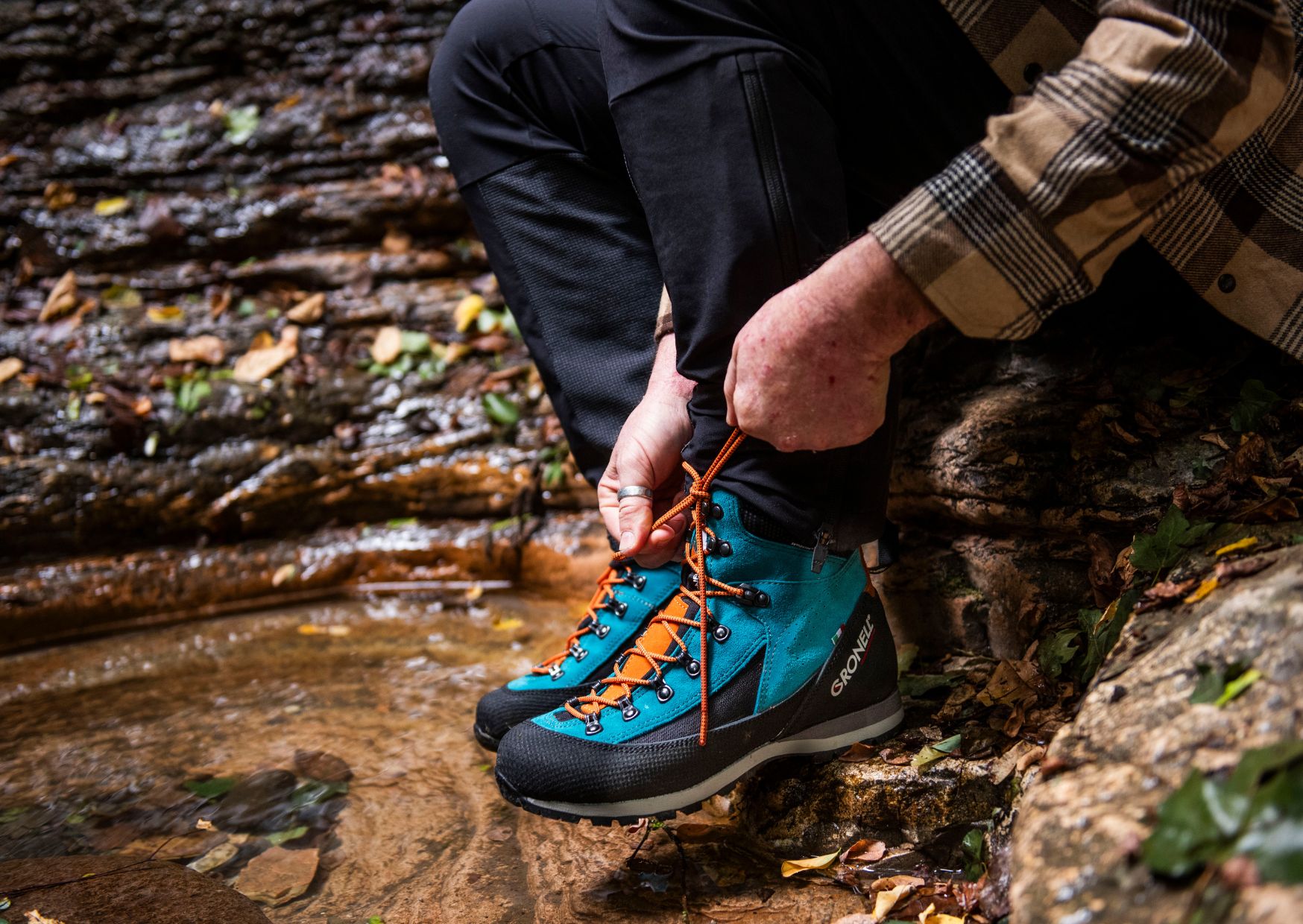
Check out our perfect footwear for your next walks!
Gear to check before your first outing
Hiking boots: the check many people skip
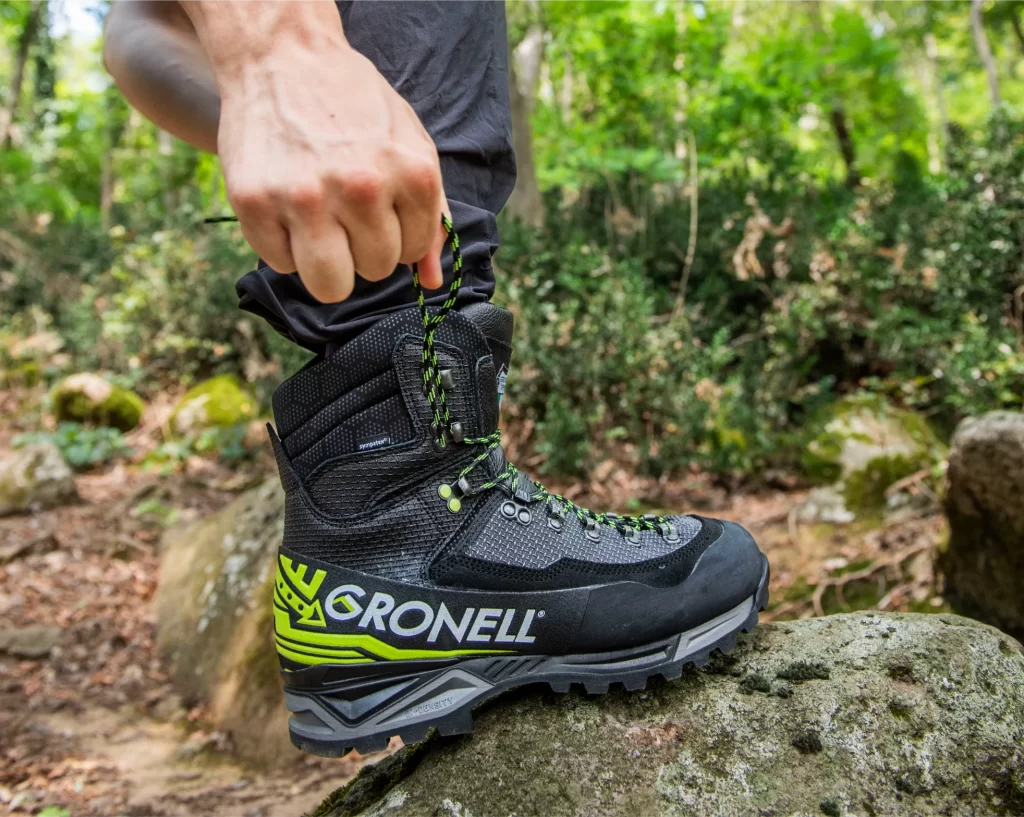
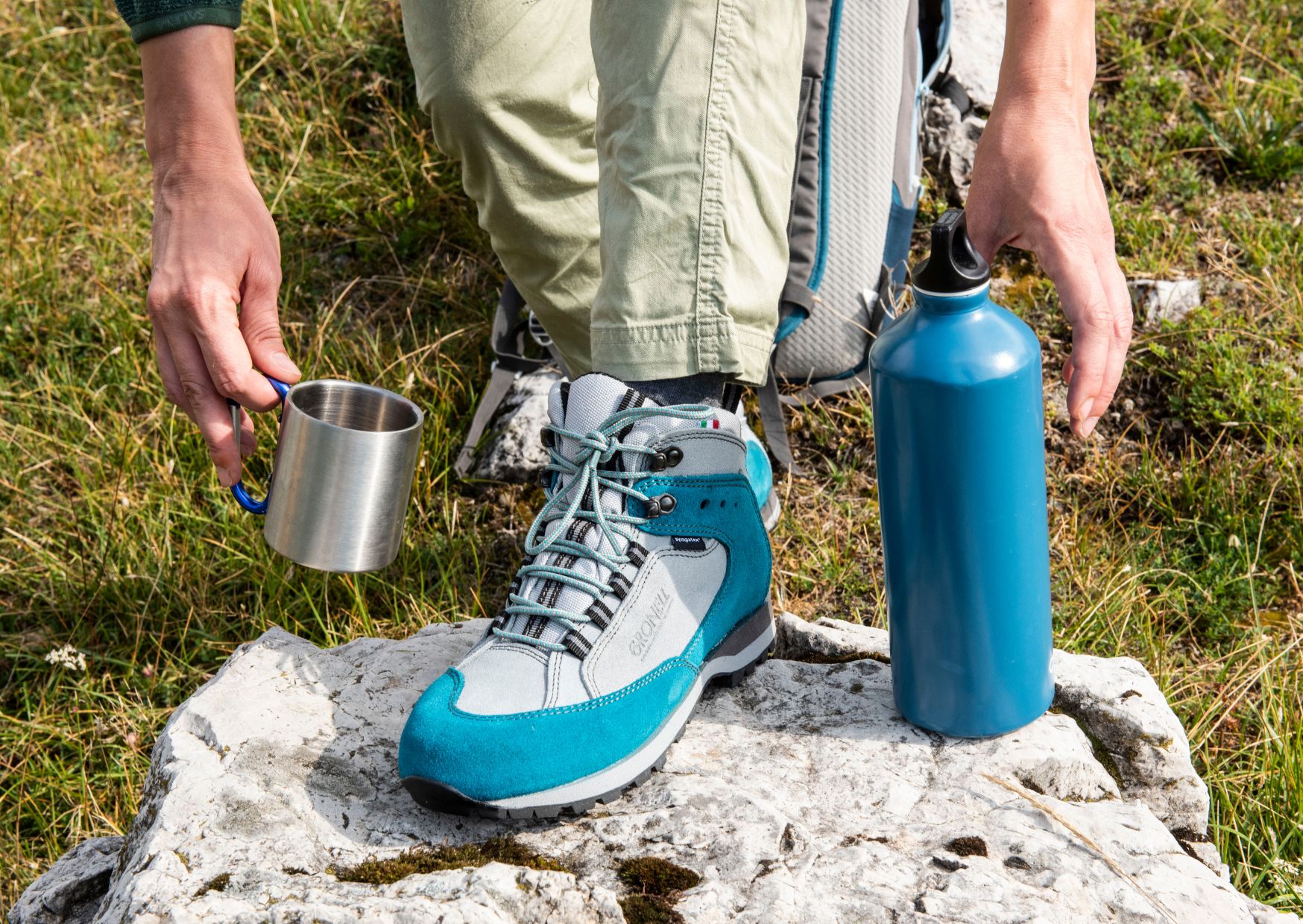
After months in the garage or closet, hiking boots should be carefully inspected.
Check:
- Sole (detachment or abnormal wear)
- Leather upper (cracks or stiffness)
- Stitching and laces
- Waterproofing (spray water and check if it beads off)
If you use leather boots, it may be useful to review proper maintenance practices.
Read also: Leather hiking boots – how to take the best care of them
Layered clothing: spring weather changes quickly
Temperatures can vary by up to 10°C (18°F) within a few hours.
The three-layer system is the safest choice:
- Breathable base layer
- Thermal mid layer
- Lightweight waterproof shell
Trekking poles: underestimated but valuable in March
With wet ground, mud, or lingering snow, trekking poles improve stability and protect the knees — especially on descents.
Spring trails: what to expect
Unstable ground and mud
The thaw makes many trails slippery, especially during the middle of the day.
Morning hikes are usually a better option.
Residual snow at higher elevations
Above 1,500–1,800 meters (5,000–6,000 ft) — depending on the region — snow may still be present until April or May.
Always check conditions before leaving.
Trails still closed
Some routes officially reopen only in June.
Always check the websites of natural parks or the local CAI (Italian Alpine Club).
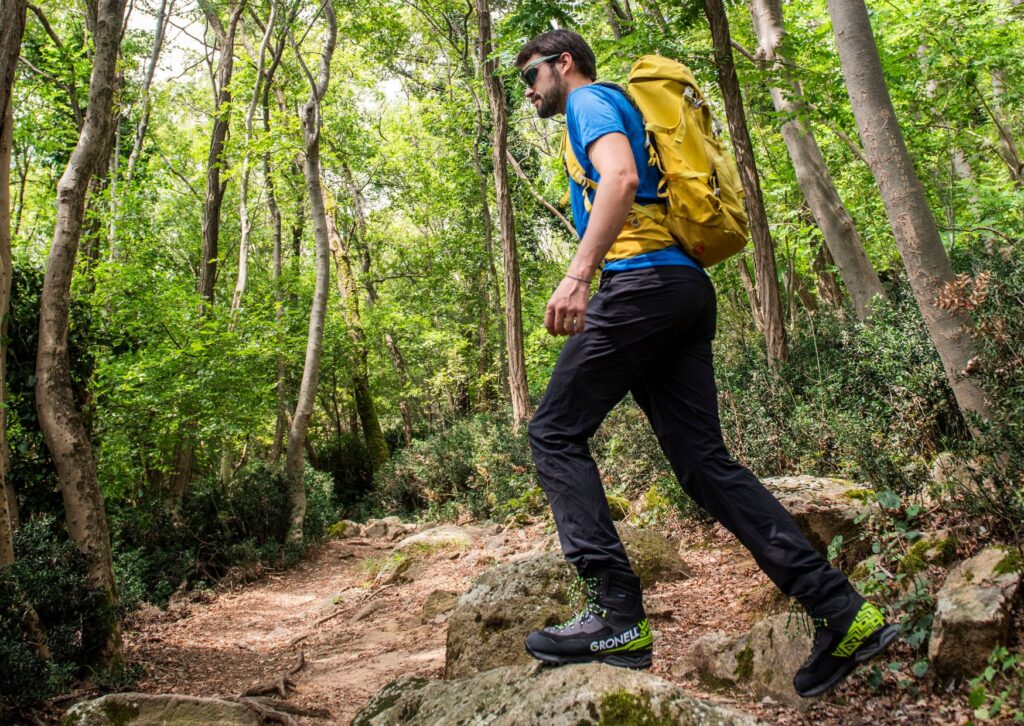
Choose the right hiking shoes for trekking and light hiking
5 ideal destinations for your first spring hike
To start again gradually, it’s best to choose routes that are not too technical and at lower elevations.
Some ideas in Northern Italy:
- Lessinia – open panoramas and moderate elevation gain
- Lake Garda – lake-view trails perfect in March and April
- Lombard Prealps – scenic hikes without excessive altitude
- Euganean Hills – ideal for getting back into rhythm
- Trieste Karst – gentle and evocative routes
Learn more: The best hiking trails around Lake Garda
The right boot to start again: lightness or support?
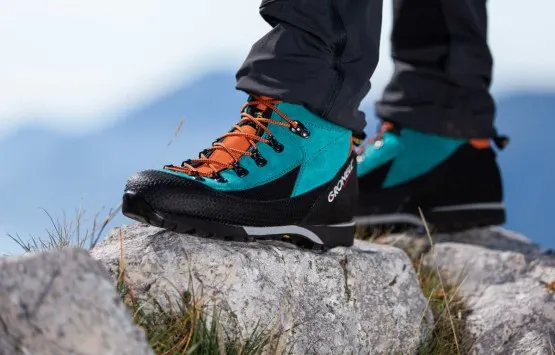
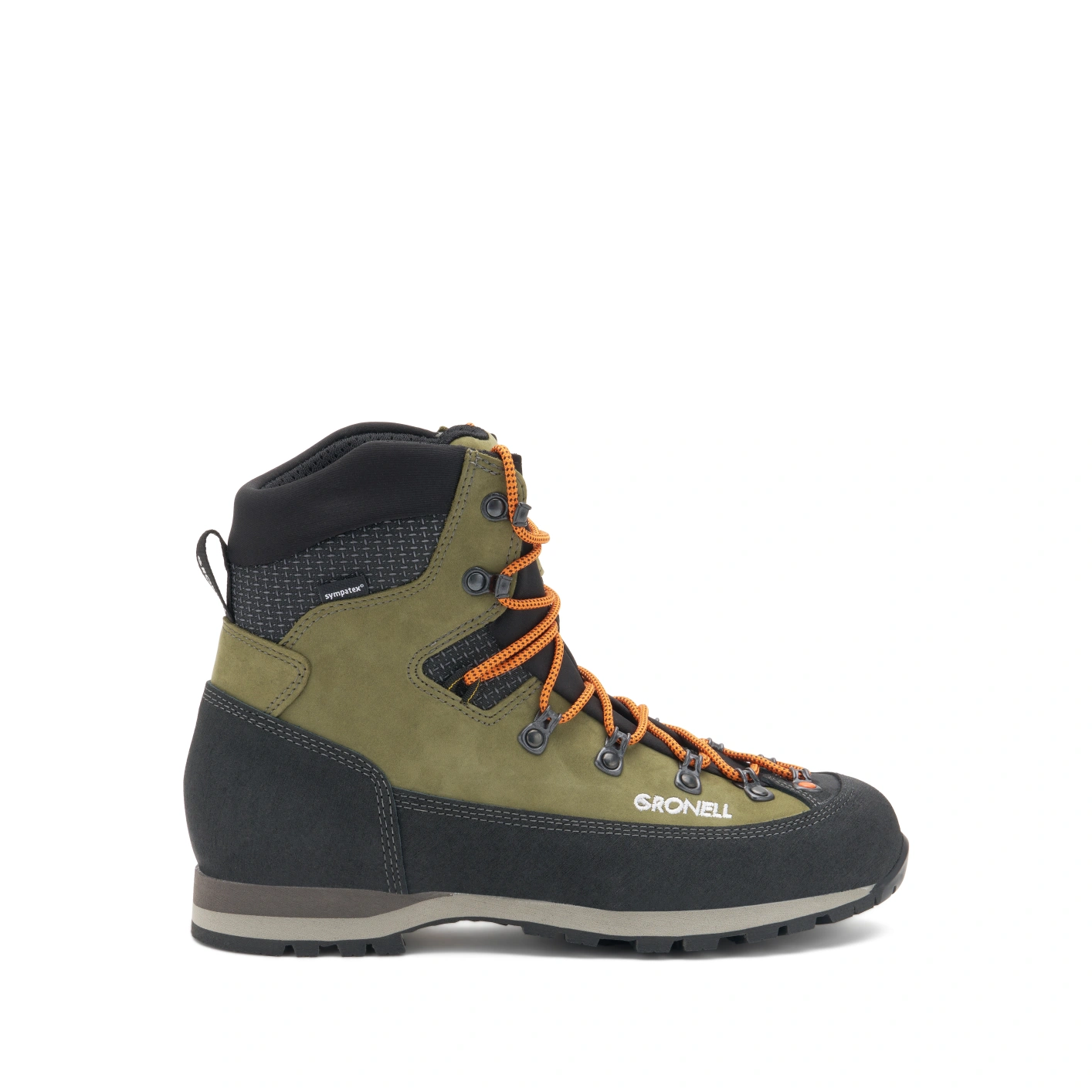
For the first hikes on open spring trails, a lightweight and comfortable hiking boot can be an excellent choice.
However, if you expect mixed terrain, mud, or significant elevation gain, it’s better to choose a model with greater ankle support and a more structured sole.
The right choice always depends on the terrain and your level of preparation.
Discover the Gronell Trekking & Walking line
FAQ
When do mountain trails reopen?
At lower elevations generally from March. At higher elevations often from May–June, depending on conditions.
Can I hike with trail running shoes in spring?
Yes, on dry and non-technical terrain. With mud or residual snow, a high-cut boot offers greater protection and stability.
How much should I train before the first hike?
For most people, 2–3 weeks of gradual preparation is enough.
Spring is the perfect time to start again.
But starting again with respect — for your body and for the mountains — is the first step toward a season of truly enjoyable hikes.
And when the trails reopen, it’s nice to be ready.
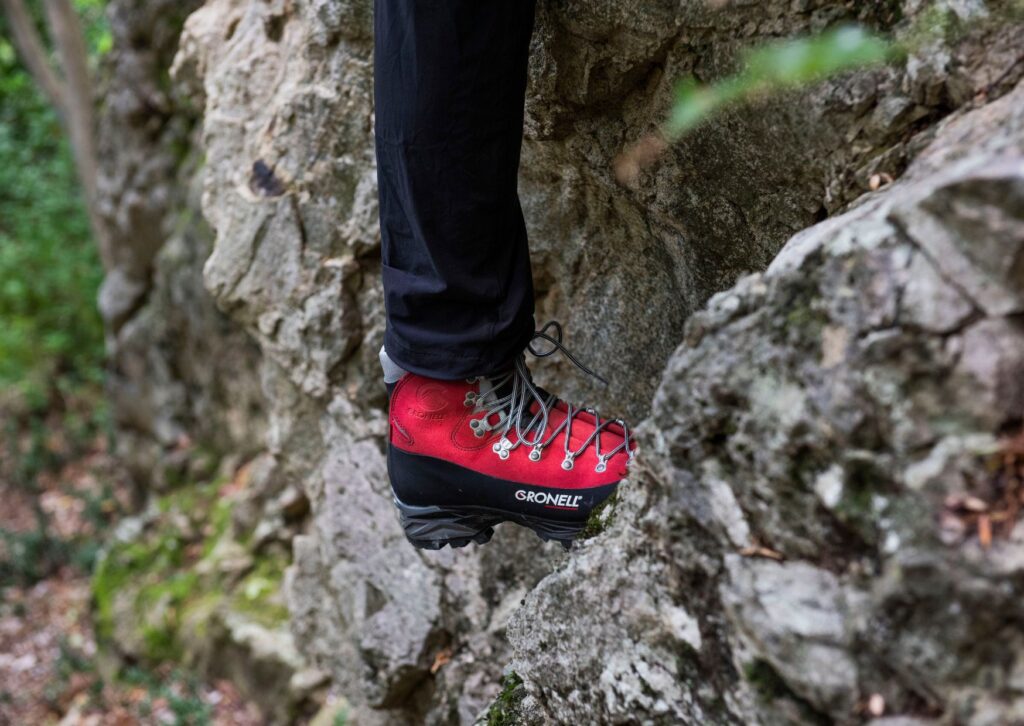
Looking for the perfect boots for your next adventures? Check out our models