Reading Time: 2 minutes
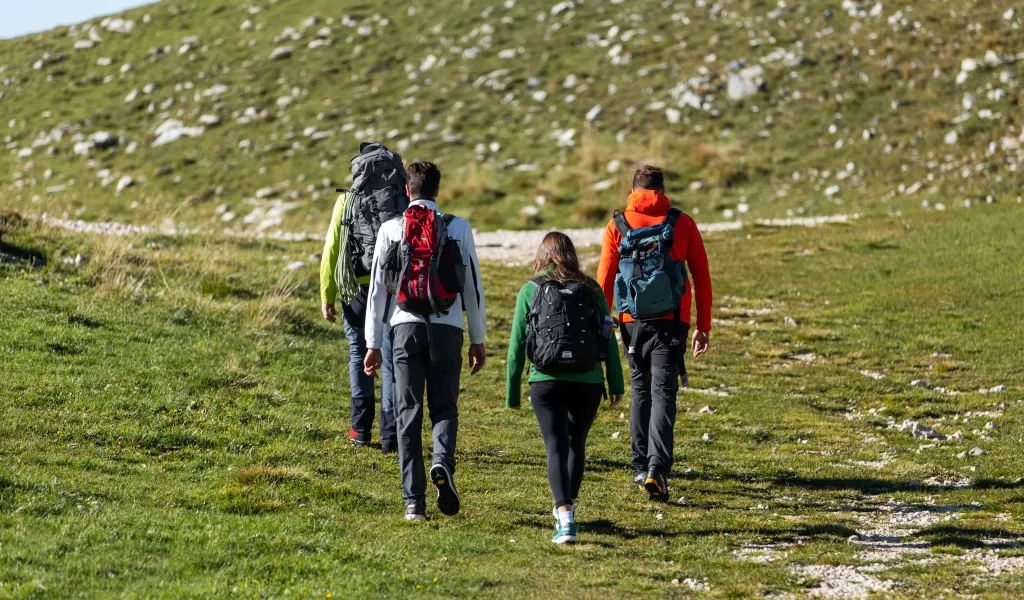
Winter trekking undoubtedly has a magical charm: the cold makes colors appear more vivid, the snow muffles sounds, and everything seems enveloped in a different light. And since the coldest season of the year is approaching, we want to be ready to go!
Here are our 5 tips for choosing the perfect clothing for winter trekking, so you can enjoy your day without any surprises.
Dress in layers
When it comes to winter clothing, there are three main rules to follow:
- For the layer closest to your skin, choose lightweight and breathable garments, preferably thermal ones: woolen or technical fabric shirts and leggings designed to maintain your body at the right temperature even on the coldest days.
An essential tip is to avoid cotton: once it becomes sweaty, it takes a long time to dry, leaving your skin in contact with moisture and risking you getting much colder than necessary. - For the second layer, always opt for fleece clothing: it's perfect for keeping the body warm and dries quickly without the need for additional heavy or bulky layers.
- Whether you prefer hardshell or softshell, make sure the outermost layer is waterproof and windproof to prevent cold air or moisture from causing any discomfort.
During winter treks, it's crucial not only to avoid feeling too cold but also not to overheat. That's why it's always a good idea to carry a spacious and empty backpack with you, allowing you to comfortably stow your jacket or fleece if you need to remove them.
Protect yourself from the sun
As we already know, the sun at high altitudes is always a hazard, much stronger than at lower elevations or by the sea. Additionally, during winter, the snow reflects the rays, making the sunlight even more intense. That's why it's essential to always carry a beanie, hat, or bandana to protect your head, and a pair of sunglasses to shield your eyes.
Shield your head, nose and mouth
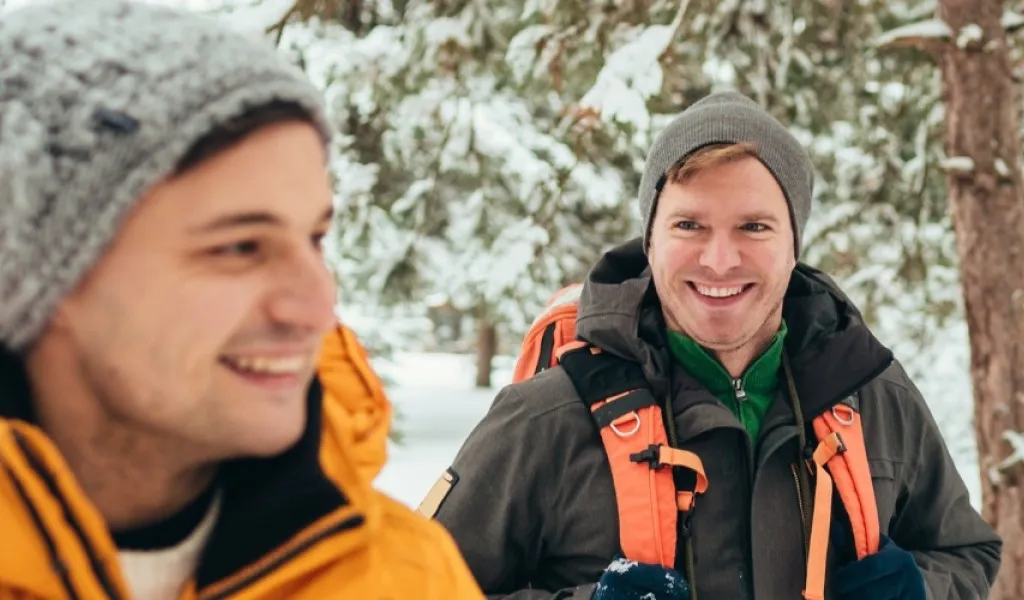
Even though it may seem obvious, the importance of keeping your head well-protected from the cold is often underestimated. It's the most sensitive part of your body and, consequently, more susceptible to illnesses and discomfort in low temperatures or cold gusts of air. That's why it's essential to always carry a warm beanie, preferably made of wool or fleece, and a scarf or neck warmer that can also protect your mouth and nose. If necessary, you can also use the hood of your jacket, designed specifically to shield you from the wind.
Wear specialized socks
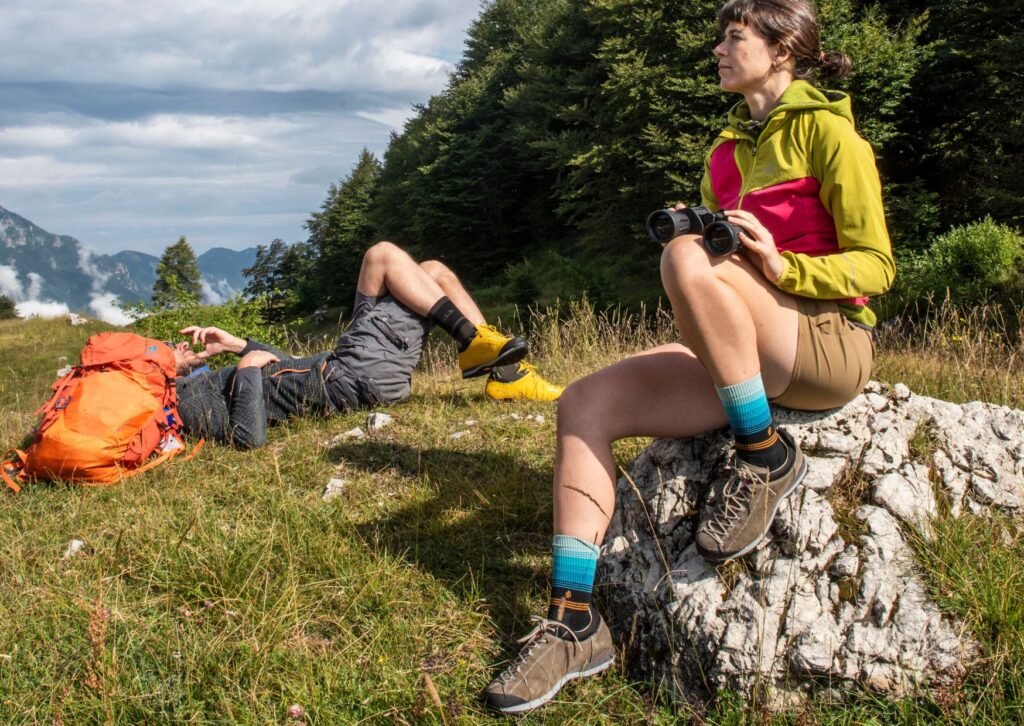
Feet are also a crucial part of the body to keep warm: before setting off on a winter trek, it's essential to ensure you have socks that keep your feet warm and protected. You can find both thick woolen socks, traditionally used for this purpose, and technical thermal socks designed for ski touring and 100% reliable on the market.
Choose the right boots
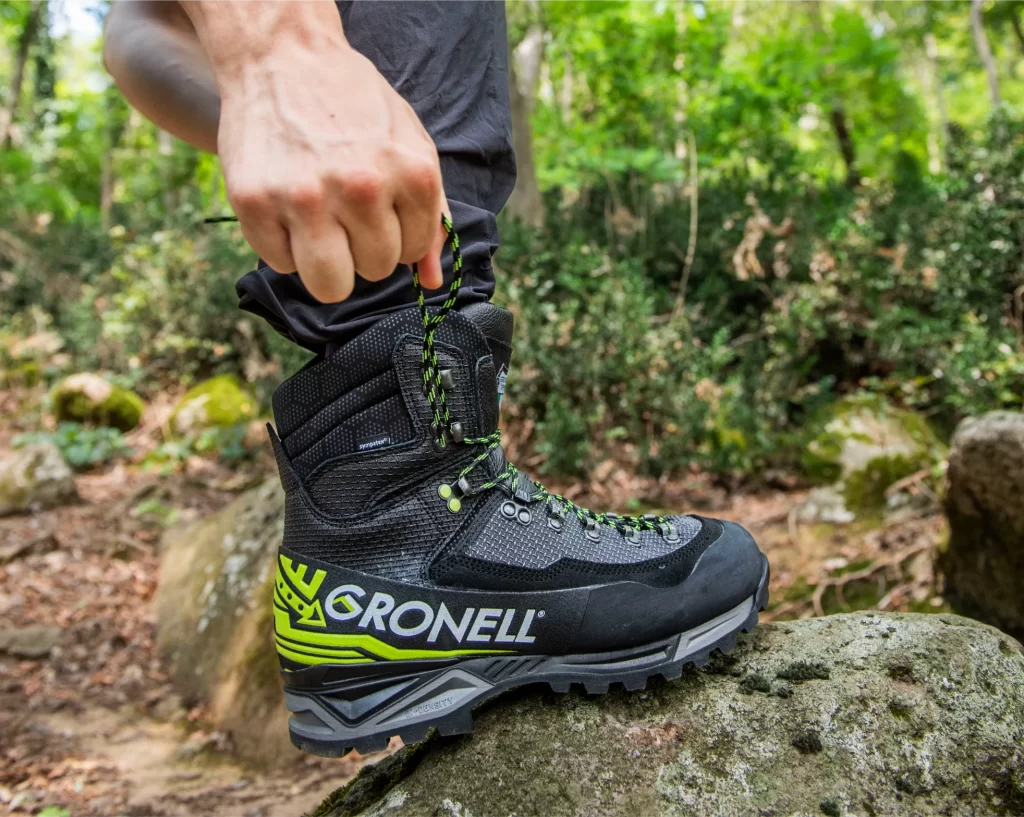
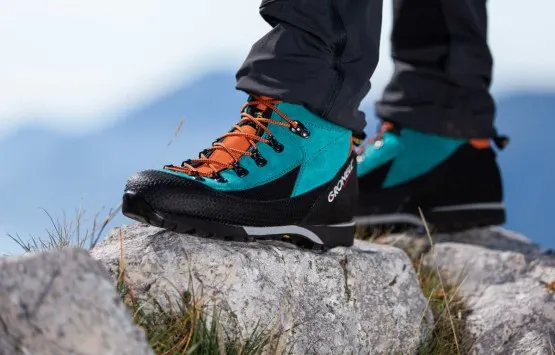
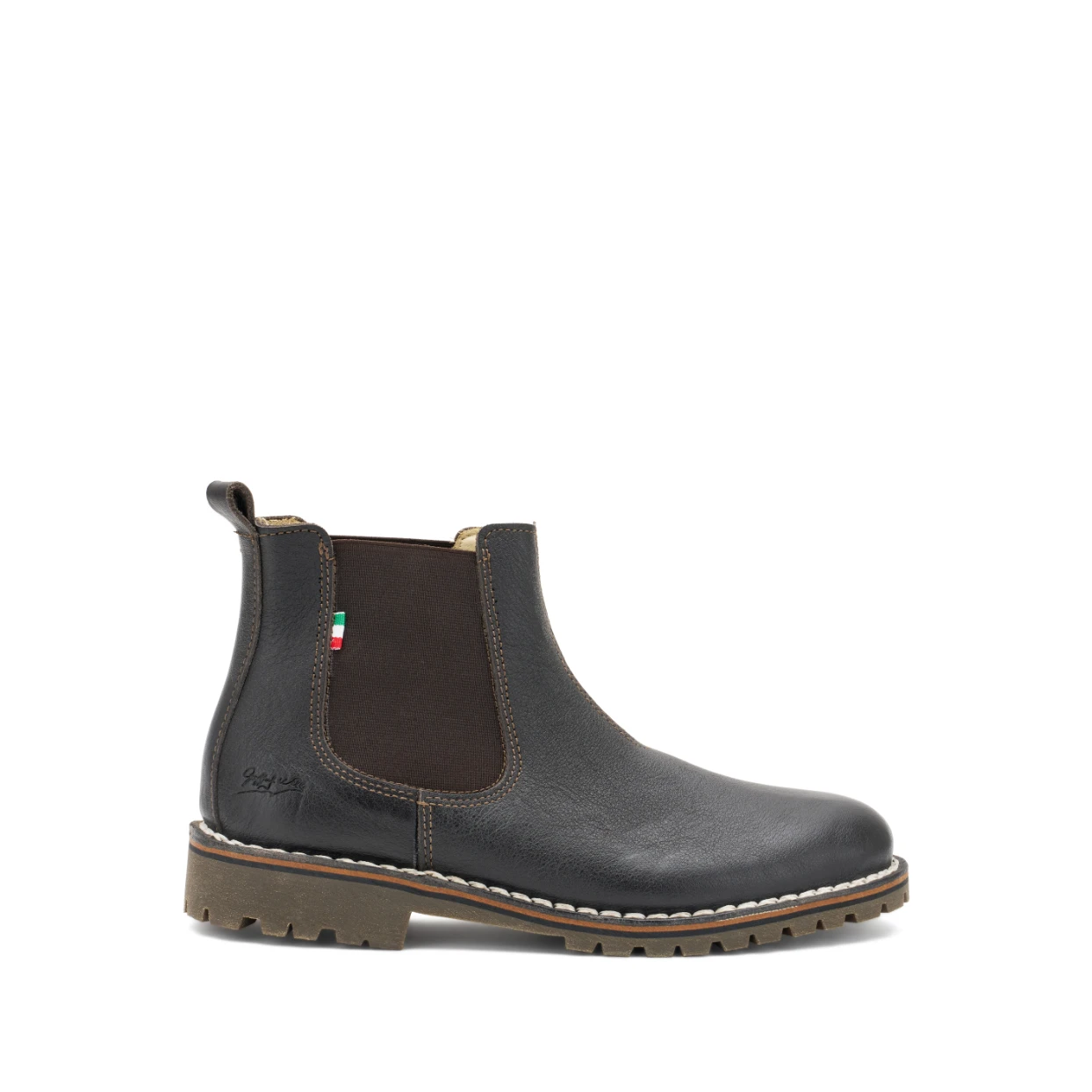
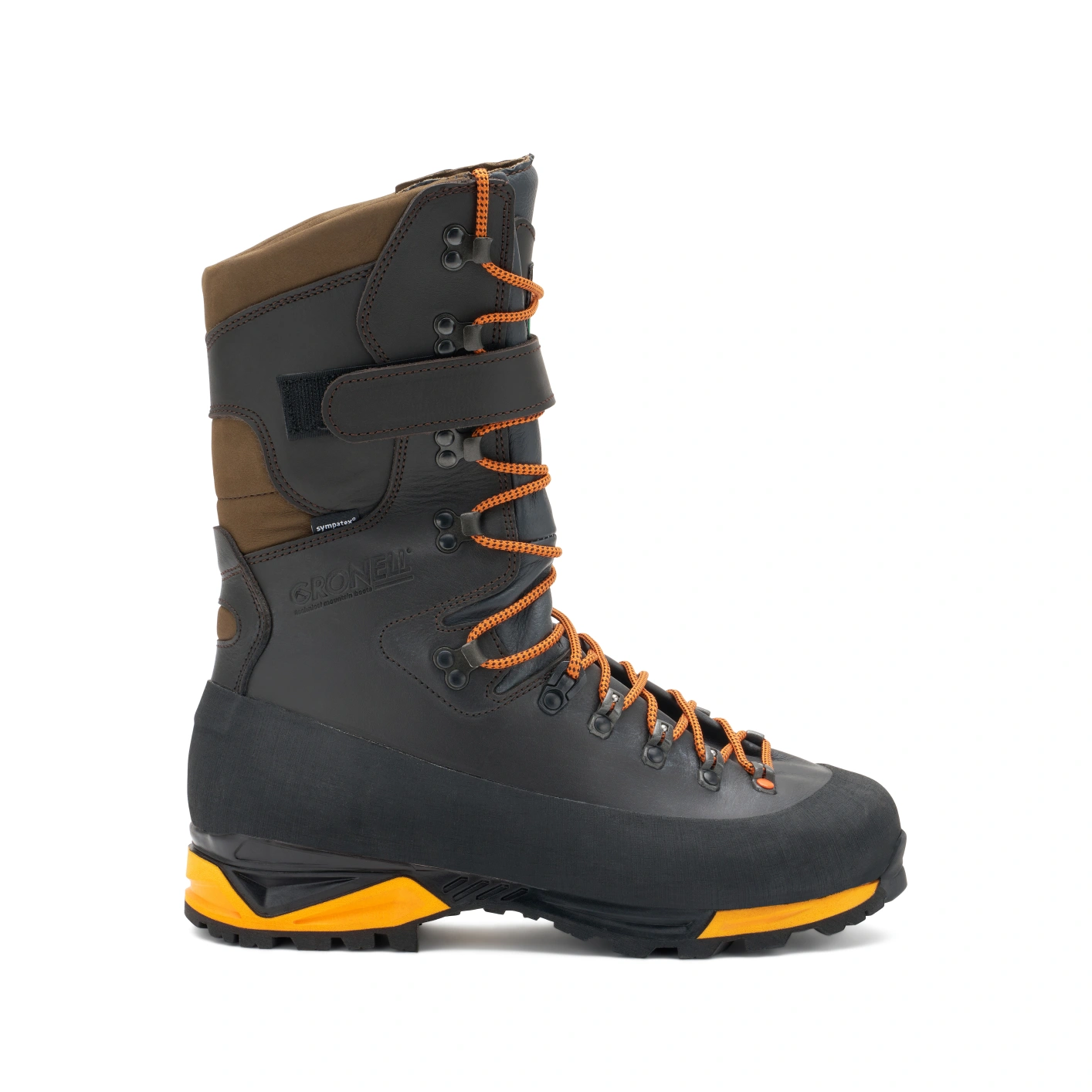
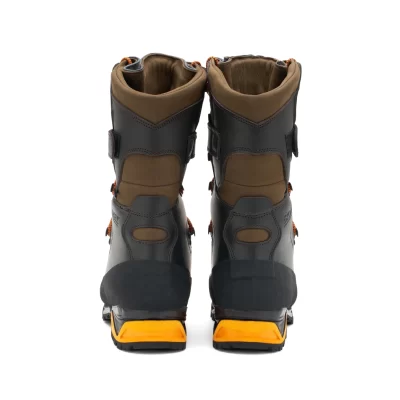
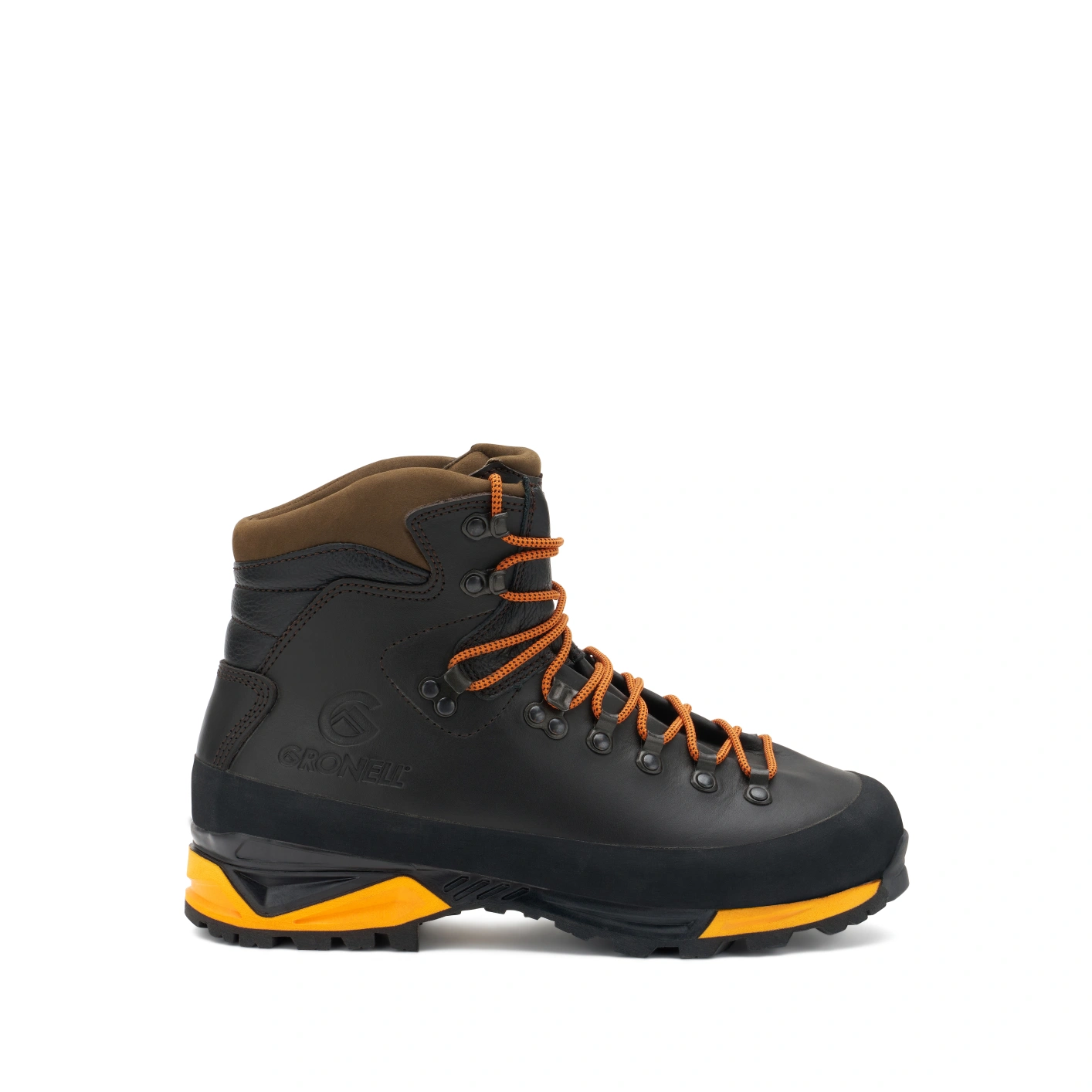
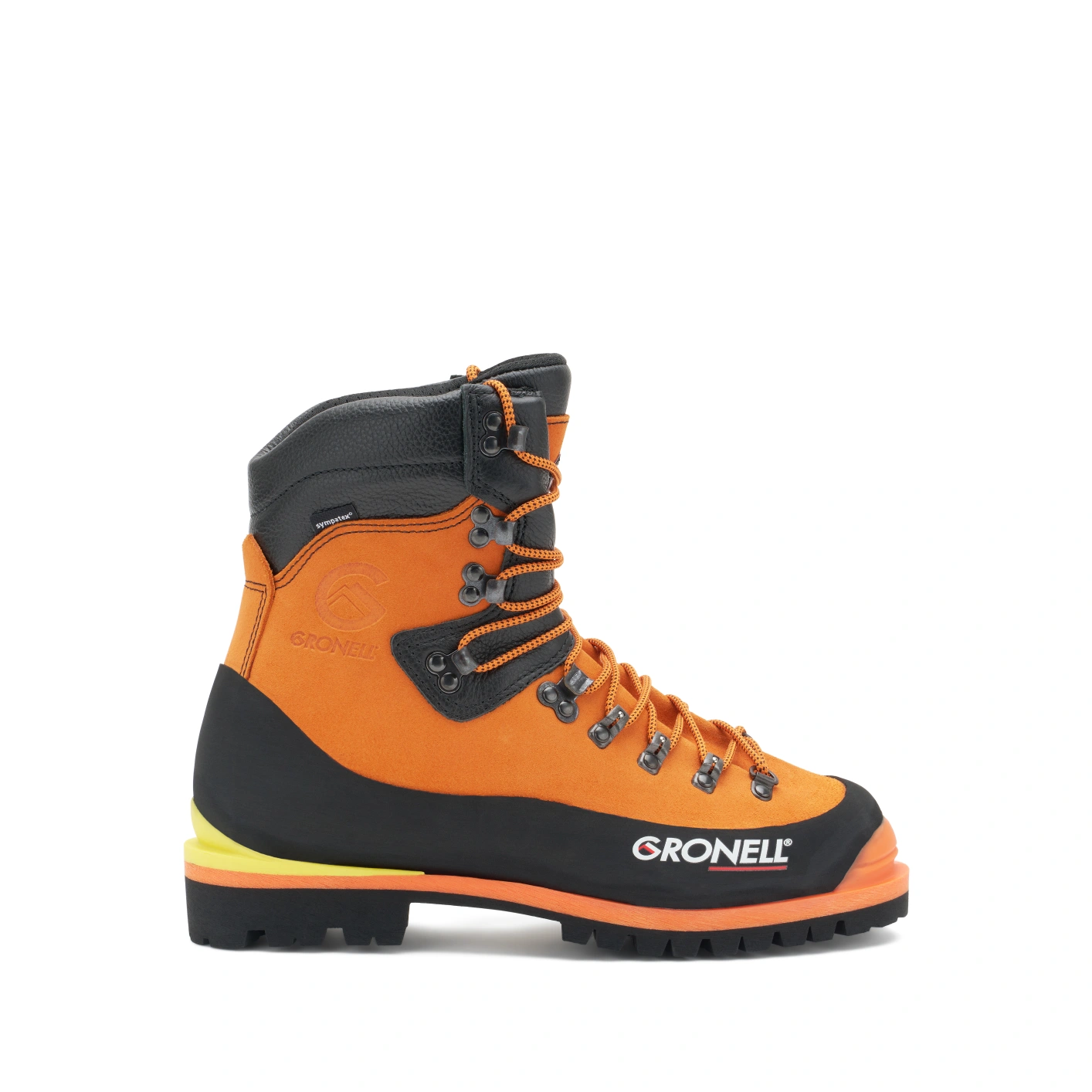
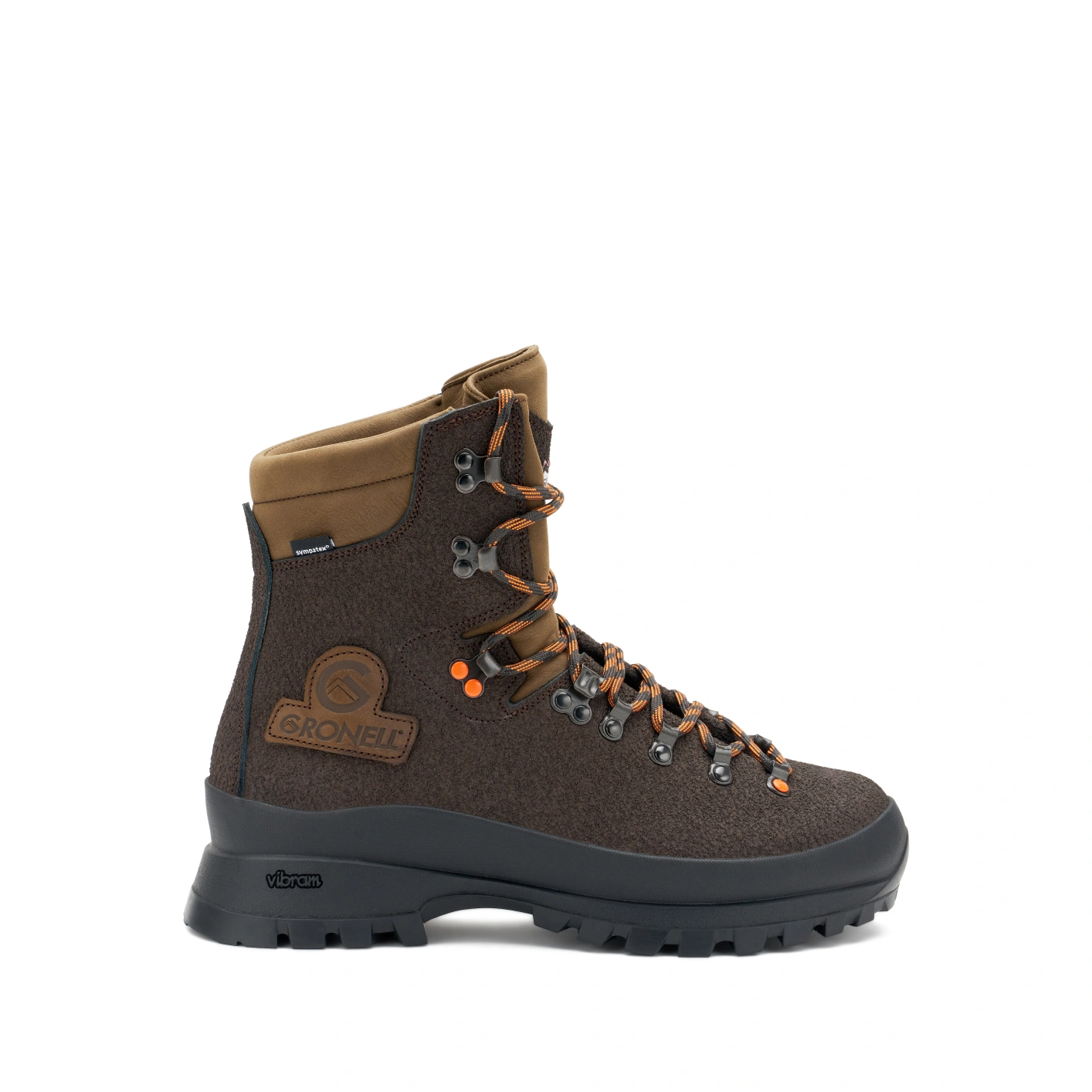
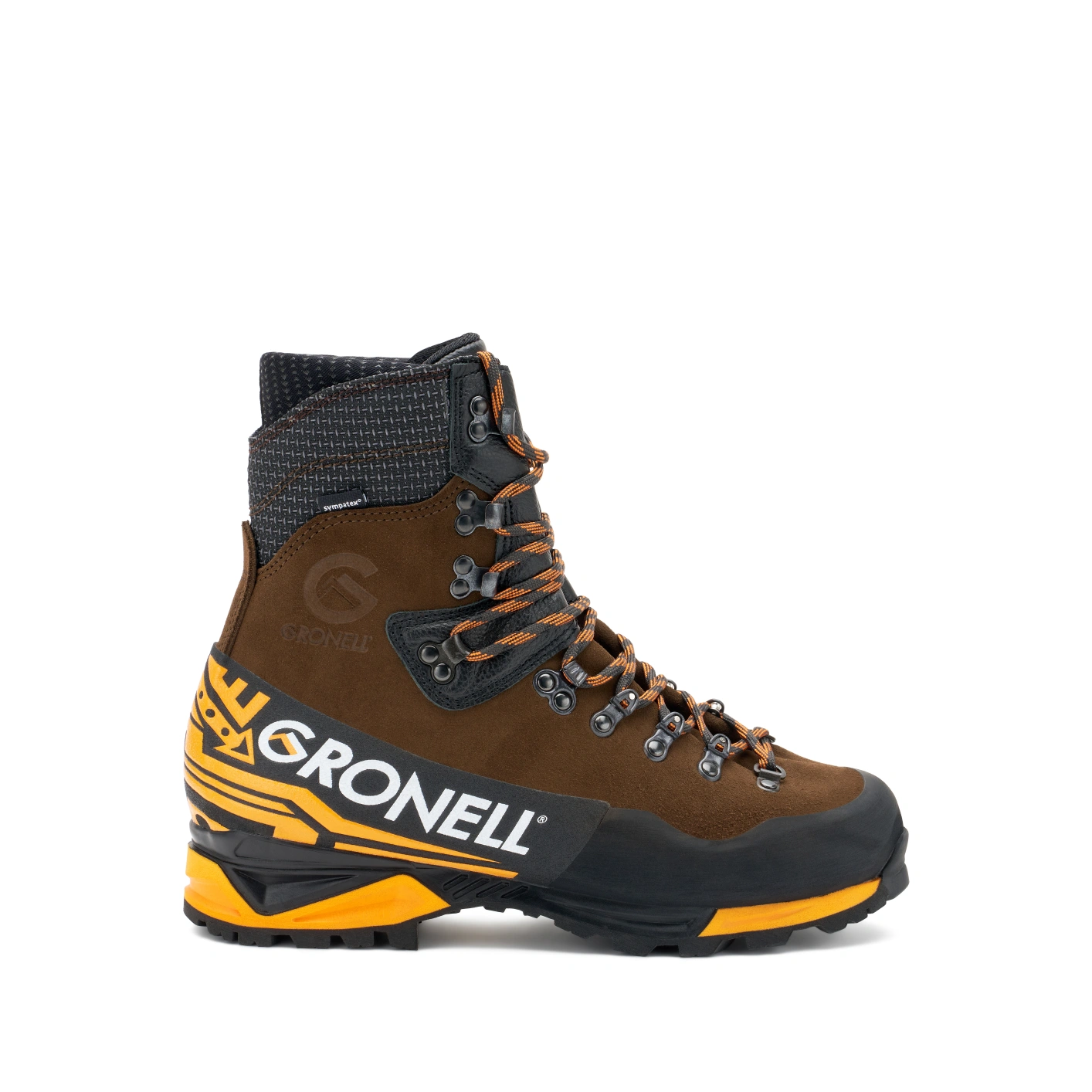
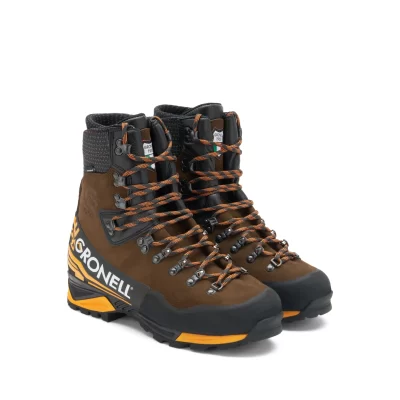
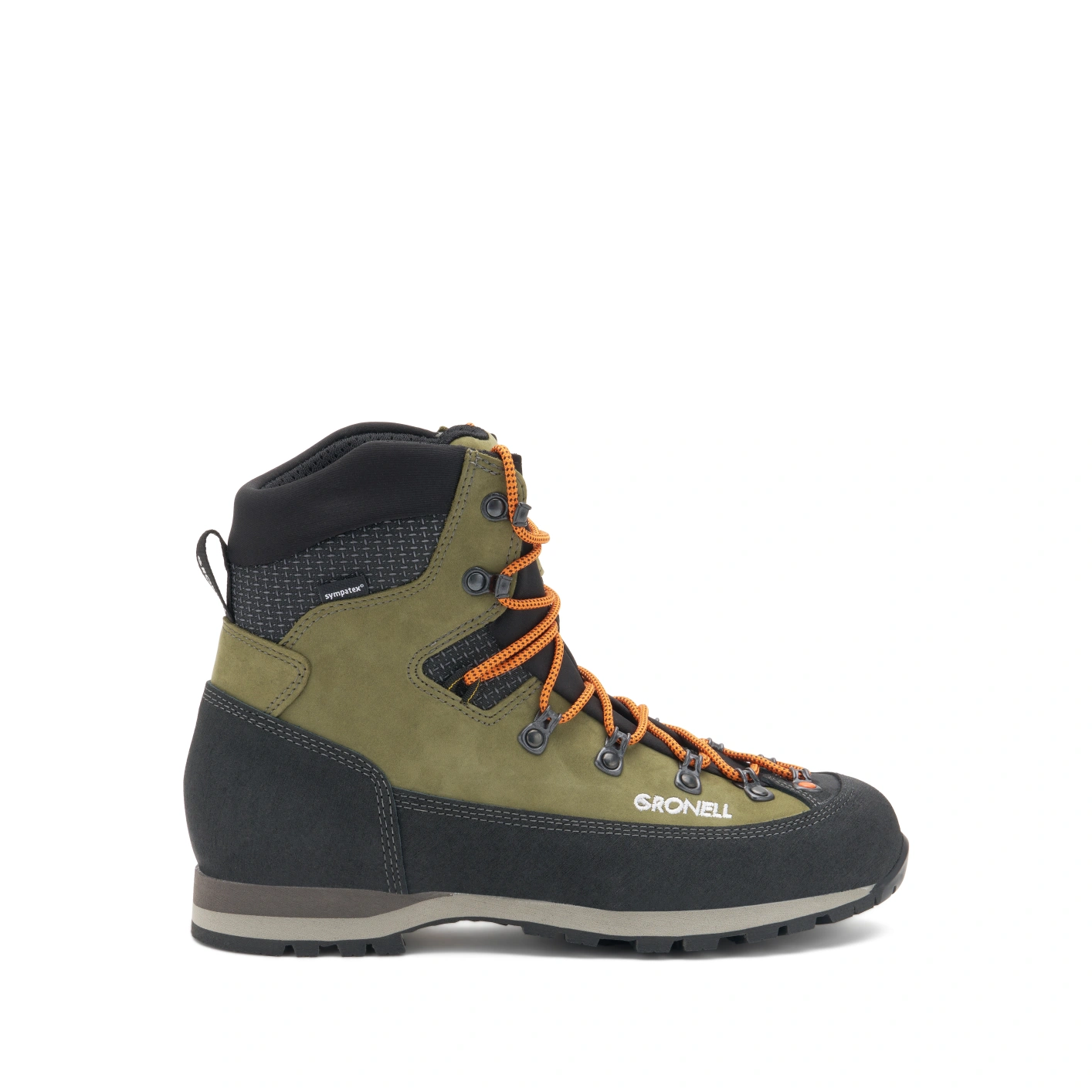
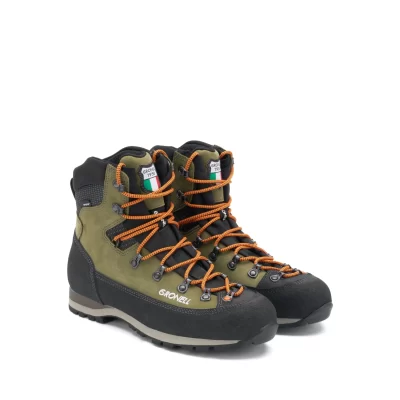
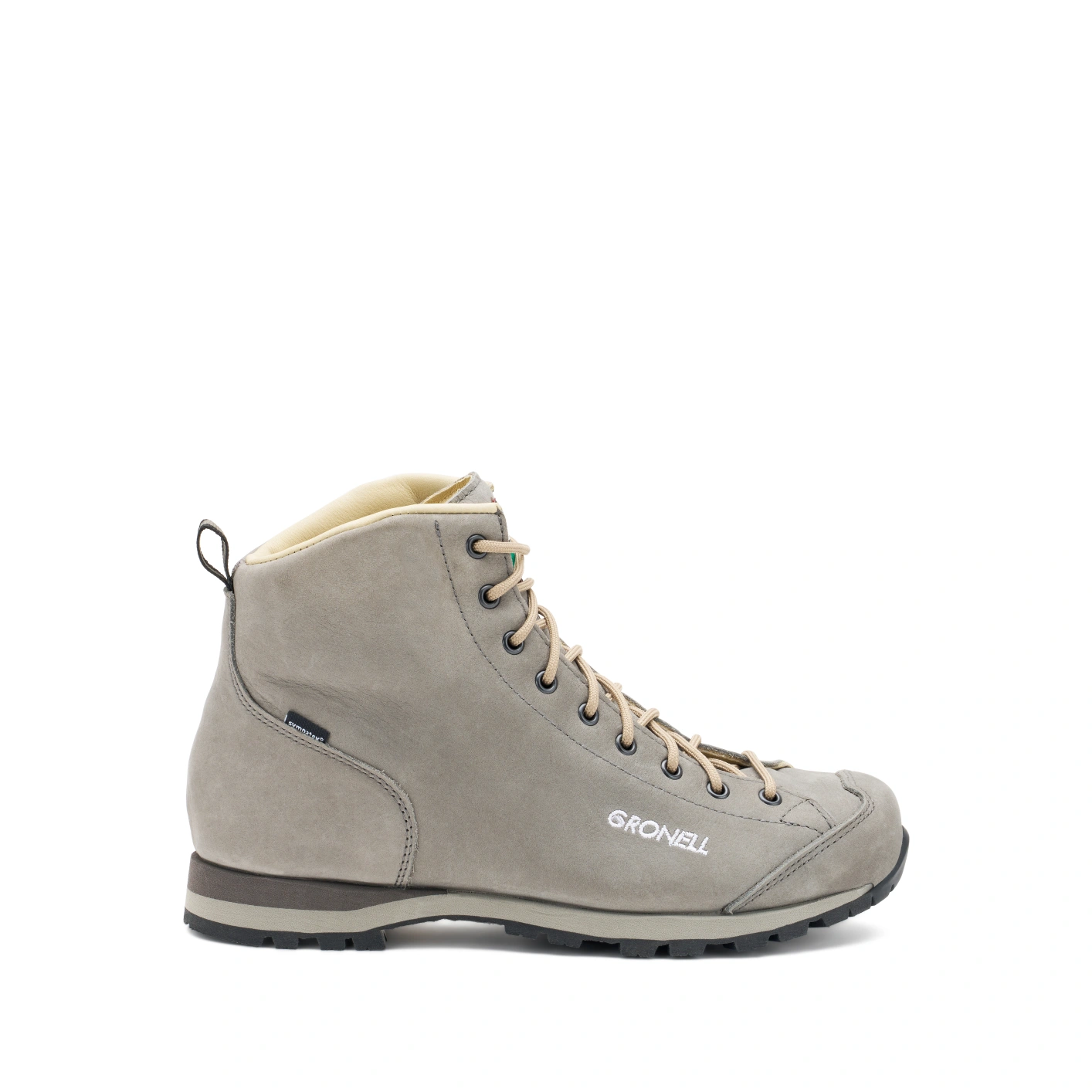
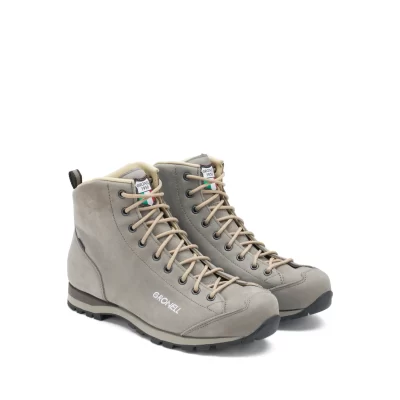
Well, not all boots are suitable for winter mountain adventures! To venture through the snow and low temperatures, always choose a sturdy and waterproof boot with a high ankle (to prevent snow and moisture from entering the boot). If possible, opt for a boot with thermal insulation, specifically designed to keep your feet warm and protected even in the harshest climates. scarpone dotato di isolamento termico, quindi specificamente realizzato per mantenere il piede caldo e protetto anche nei climi più rigidi.
For more content, tips, and inspiration, follow us on Instagram and Facebook