Reading Time: 2 minutes
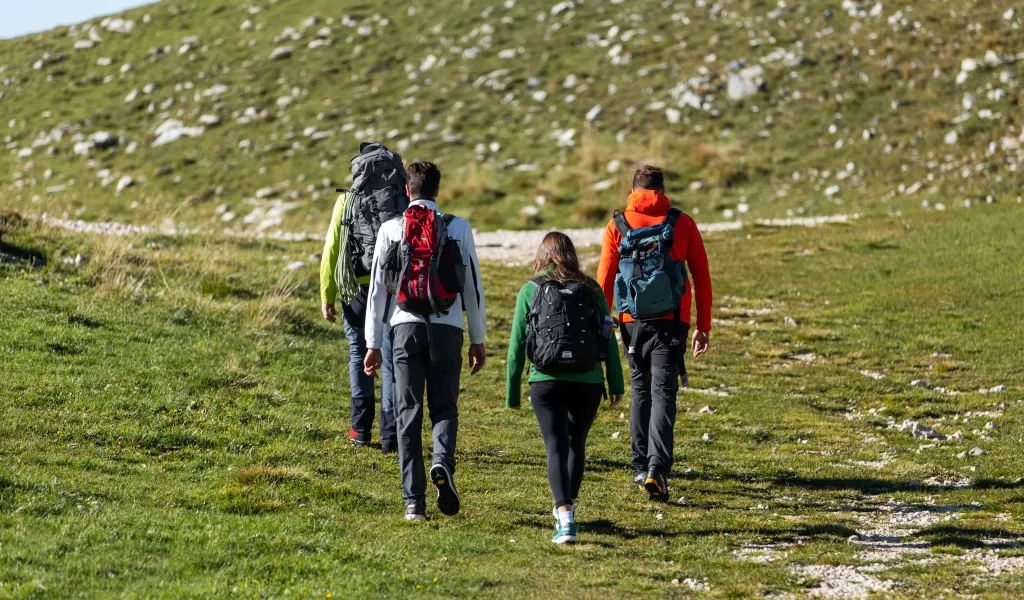
Have you ever tackled a long descent feeling your knees buckle under the weight of your pack? It is one of the most common problems among hikers and trekkers, and it is often underestimated until it becomes debilitating. In this article we look at the main causes of knee pain on descents, how to prevent it, and what to do when it appears.
Disclaimer: the content of this article is for informational purposes only and does not replace the assessment of a doctor or physiotherapist. If pain persists, always consult a specialist.
Why knees suffer more on the way down than on the way up
On the ascent, the knee works in extension with loads distributed more evenly. On the descent, however, body weight — amplified by the pack and uneven terrain — concentrates on the kneecap and tendons, generating pressure up to three times greater than walking on flat ground. It is this repeated eccentric effort that fatigues the joint structures and can trigger inflammation.
The most common causes of knee pain on descents
1. Patellofemoral syndrome
The most frequent cause. It presents as a dull or sharp pain in the front of the knee, often described as a burning sensation under or around the kneecap. It is caused by incorrect tracking of the kneecap in its groove during movement. It can stem from muscle weakness, poor foot alignment or inadequate footwear.
2. Iliotibial band syndrome (IT Band)
Lateral knee pain, often sharp and stabbing, that appears after a certain number of kilometres. The iliotibial band is a fibrous tract running along the thigh that can become irritated through overuse, especially on descents. Those with one leg shorter than the other or excessive foot pronation are more at risk.
3. Patellar tendinitis
Inflammation of the tendon connecting the kneecap to the shin. It presents with pain in the lower part of the knee, often after prolonged effort. It is more common in those who do not train progressively or who return to activity after a long break.
4. Osteoarthritis
In older individuals, downhill pain can be a signal of cartilage degeneration. In this case, appropriate and targeted activity is essential — not generic exercise.
👉 Leggi anche “I problemi più comuni quando si indossano scarponi da montagna”
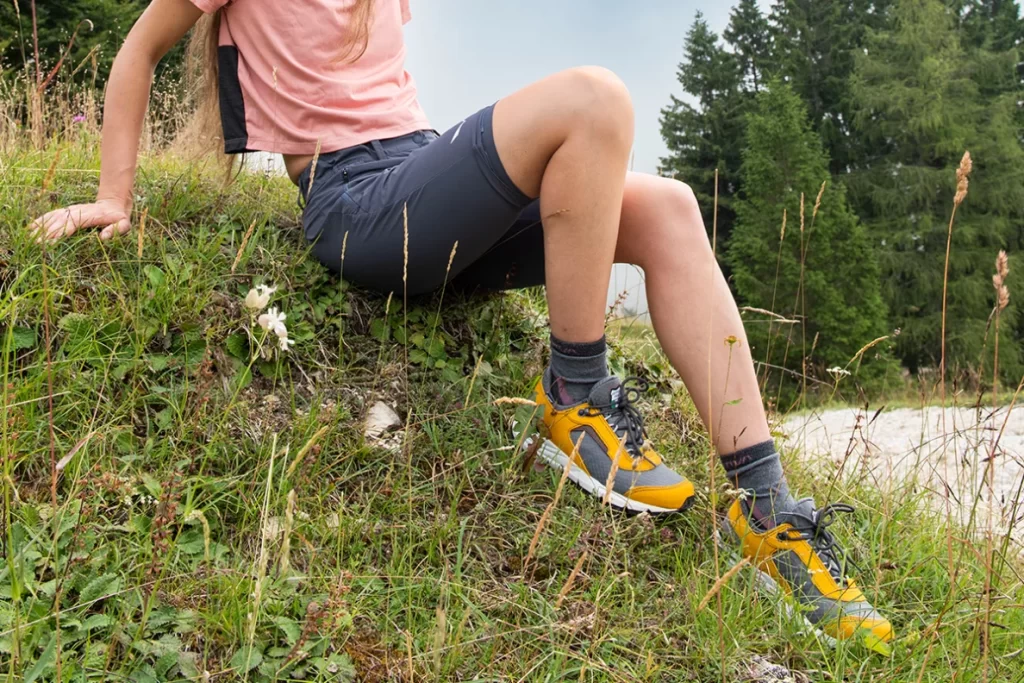
Prevention is the most effective way to stop the problem appearing or recurring. Here are the concrete actions you can take:
Strengthen the muscles around the knee
The quadriceps and hamstrings are the primary stabilisers of the knee. Exercises such as squats, lunges and leg presses, performed regularly throughout the year, significantly reduce the risk of inflammation. Gluteal muscles also play a key role in knee alignment.
Use trekking poles
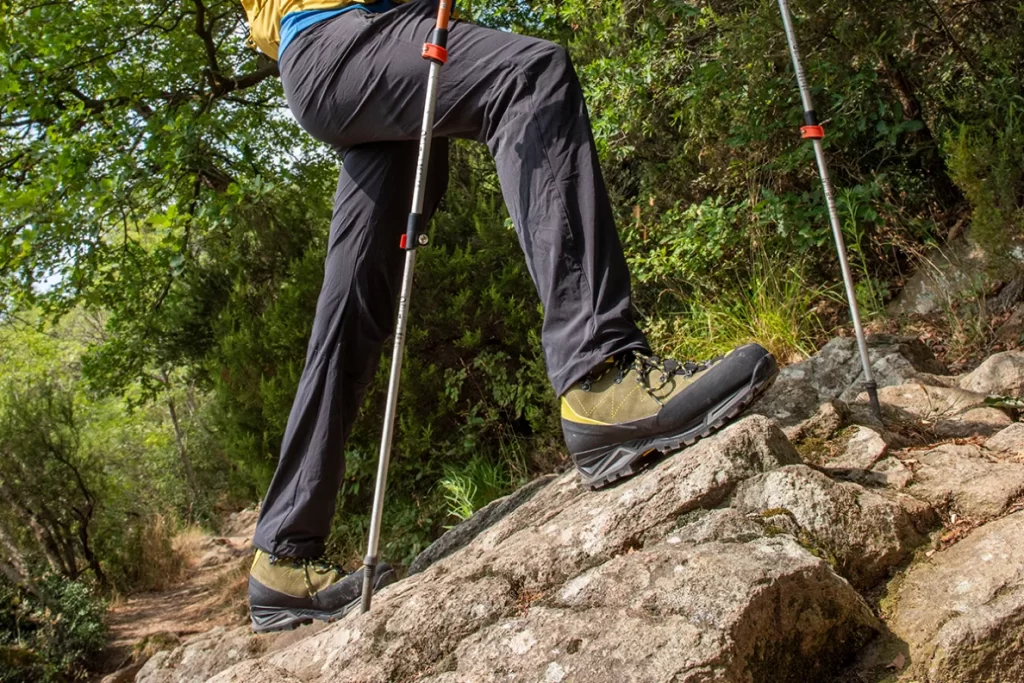
Trekking poles are not just for the less fit: studies show they reduce the load on the knees by 20–25% on descents. Use them actively, planting them in front of you on every downhill step to distribute weight through your arms.
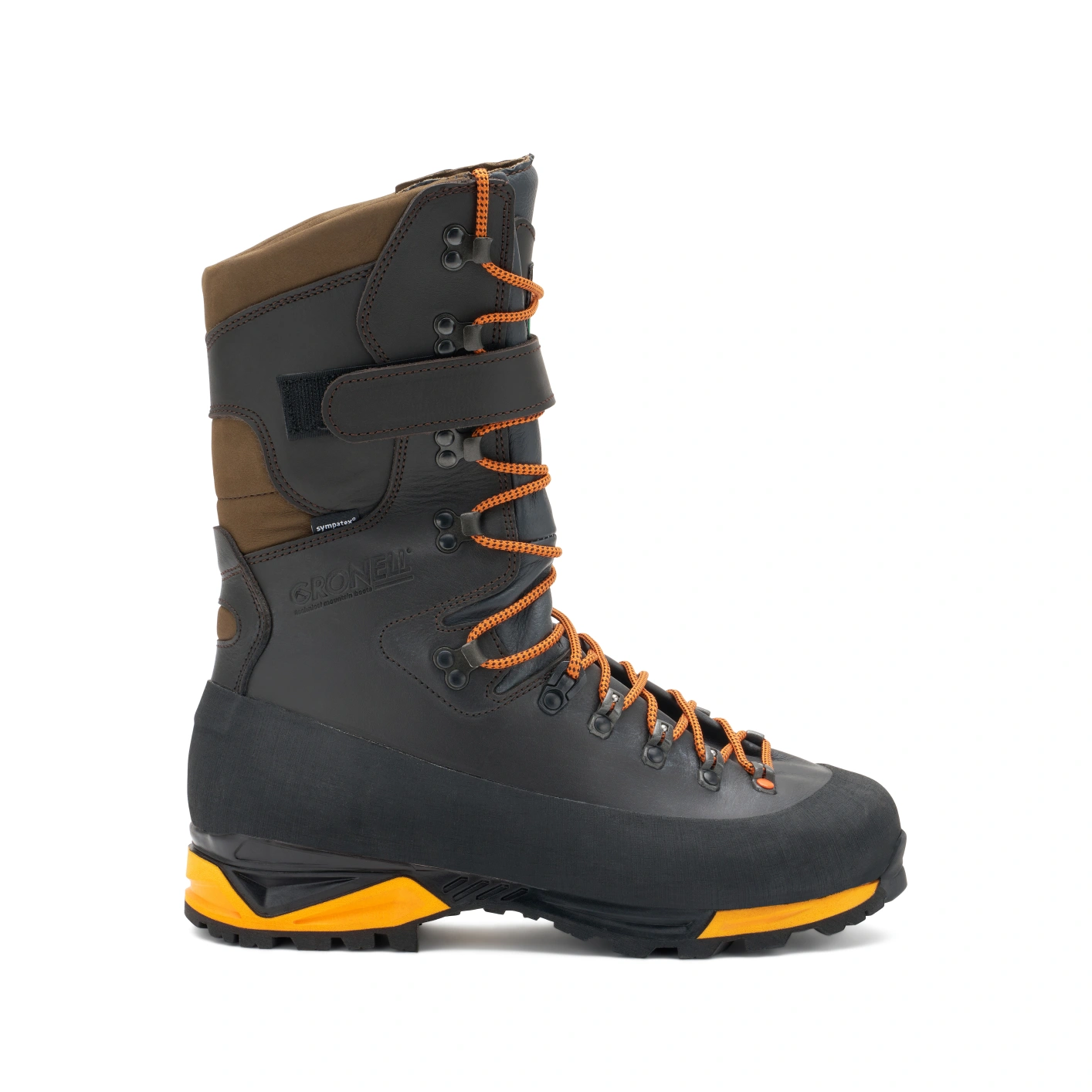
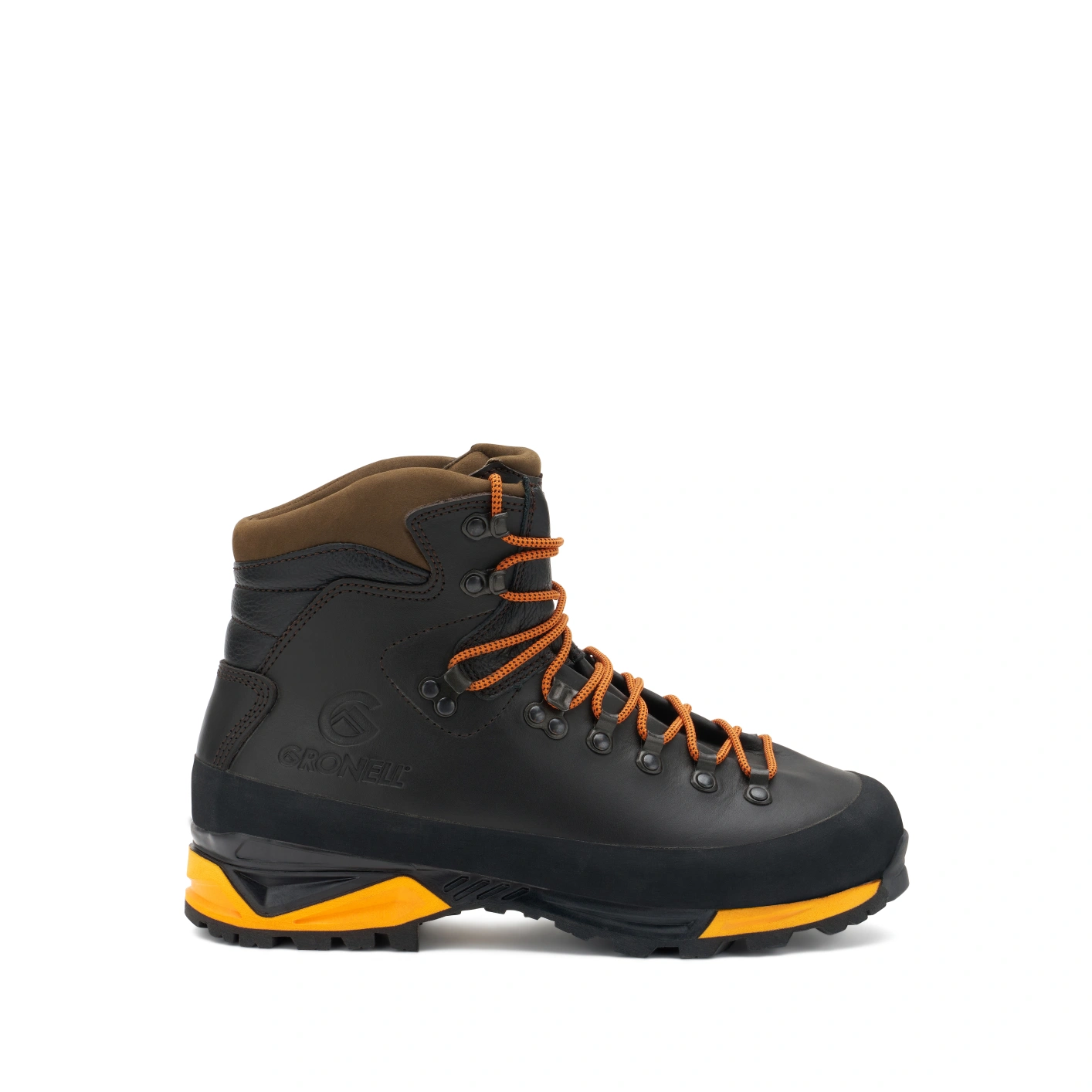
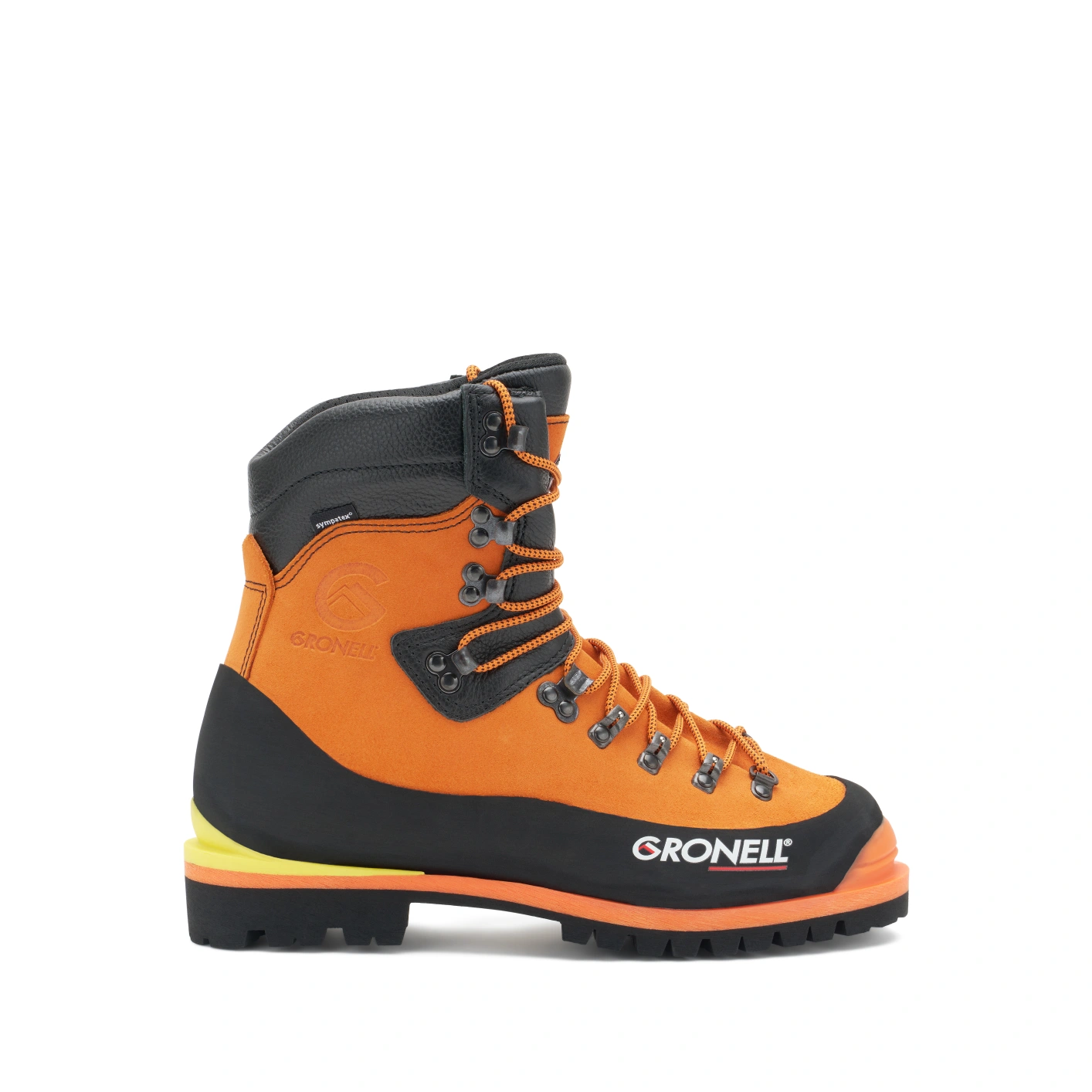
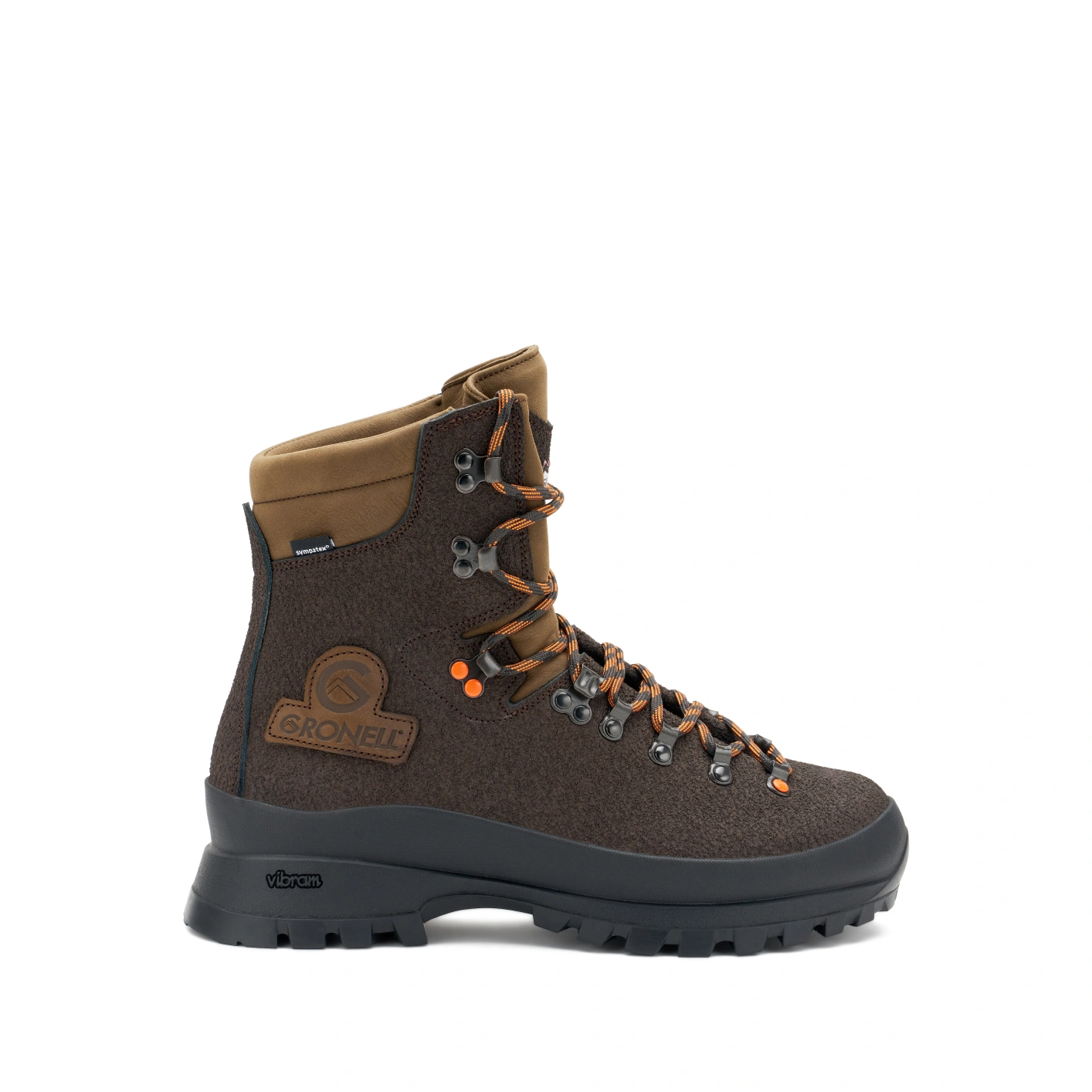
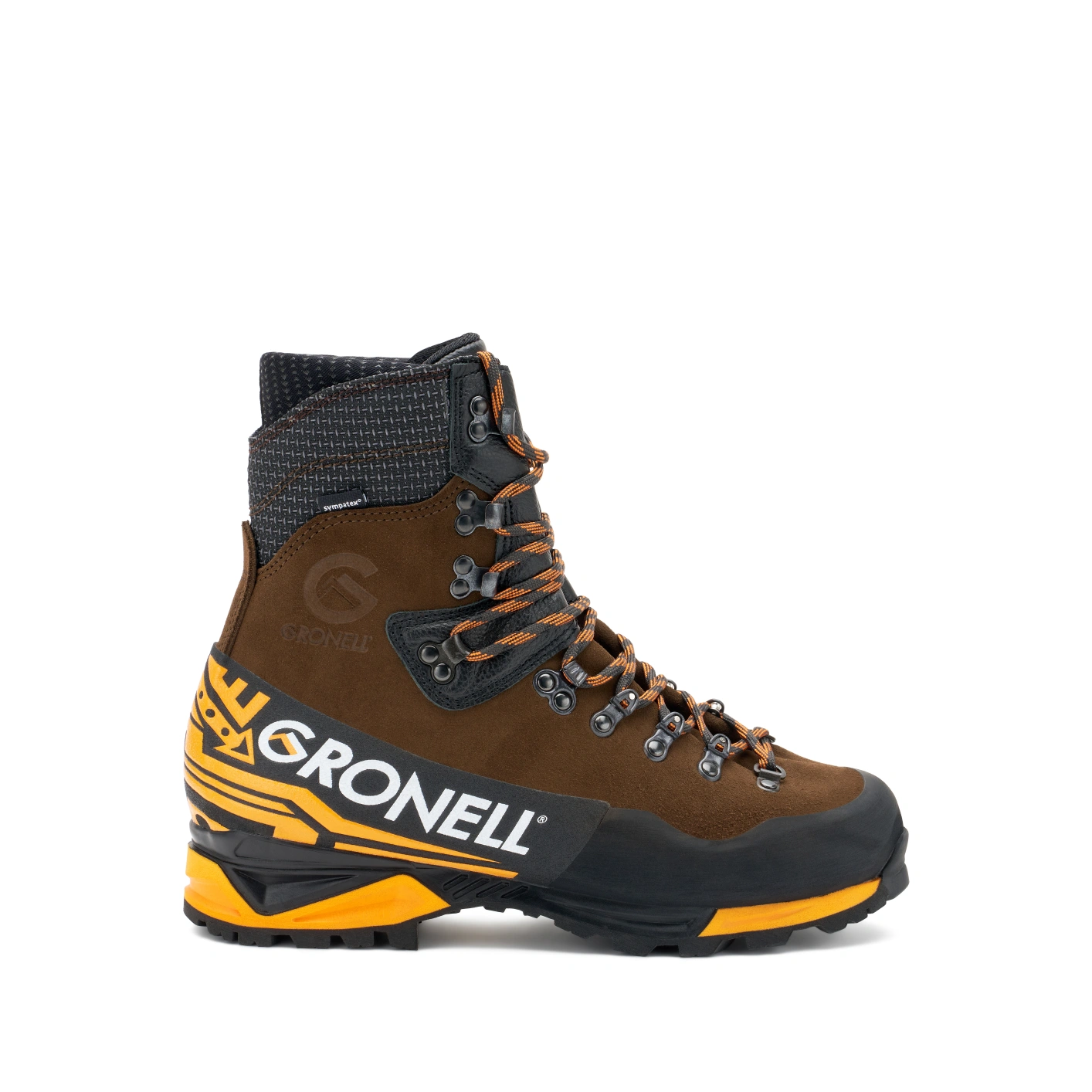
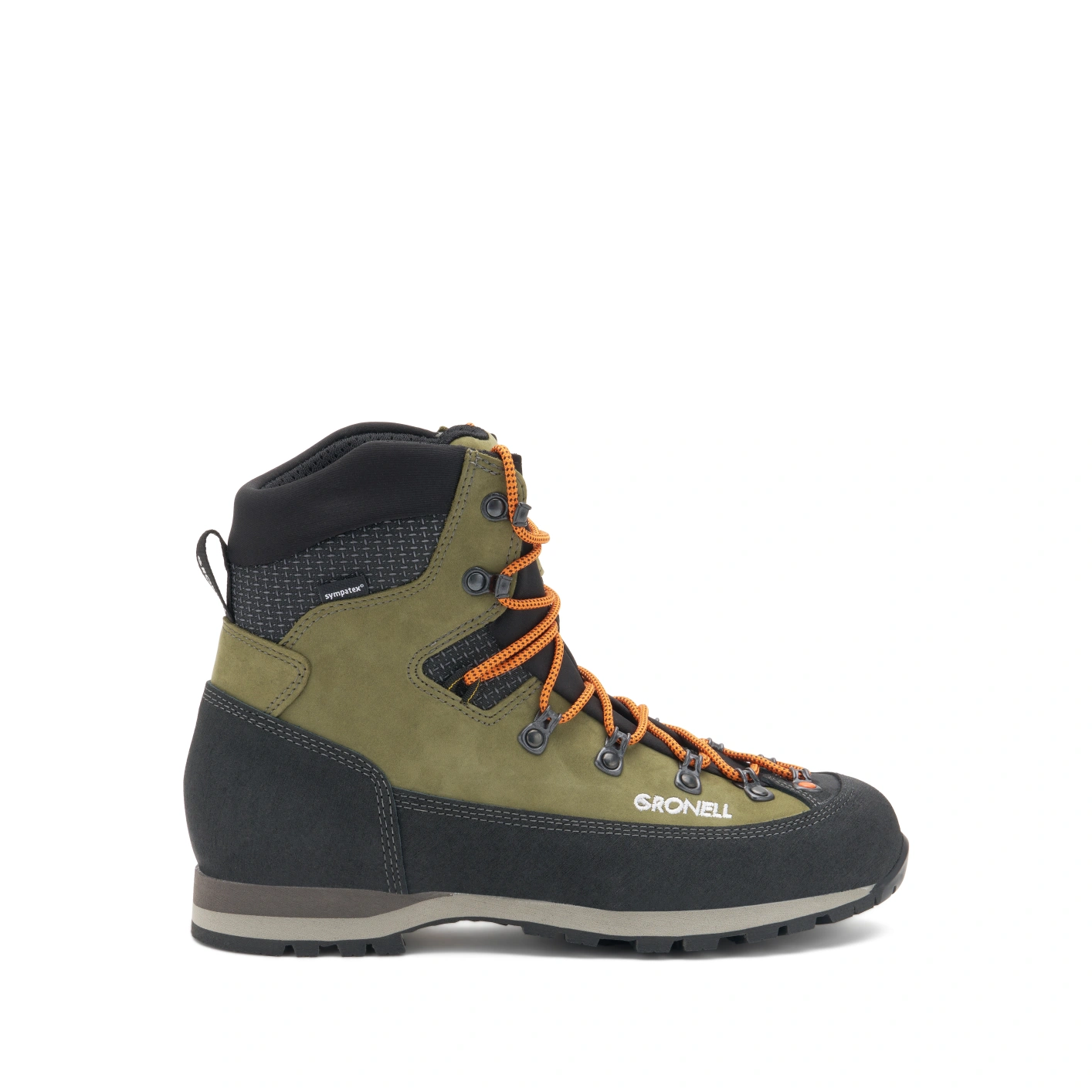
Choose the right boots
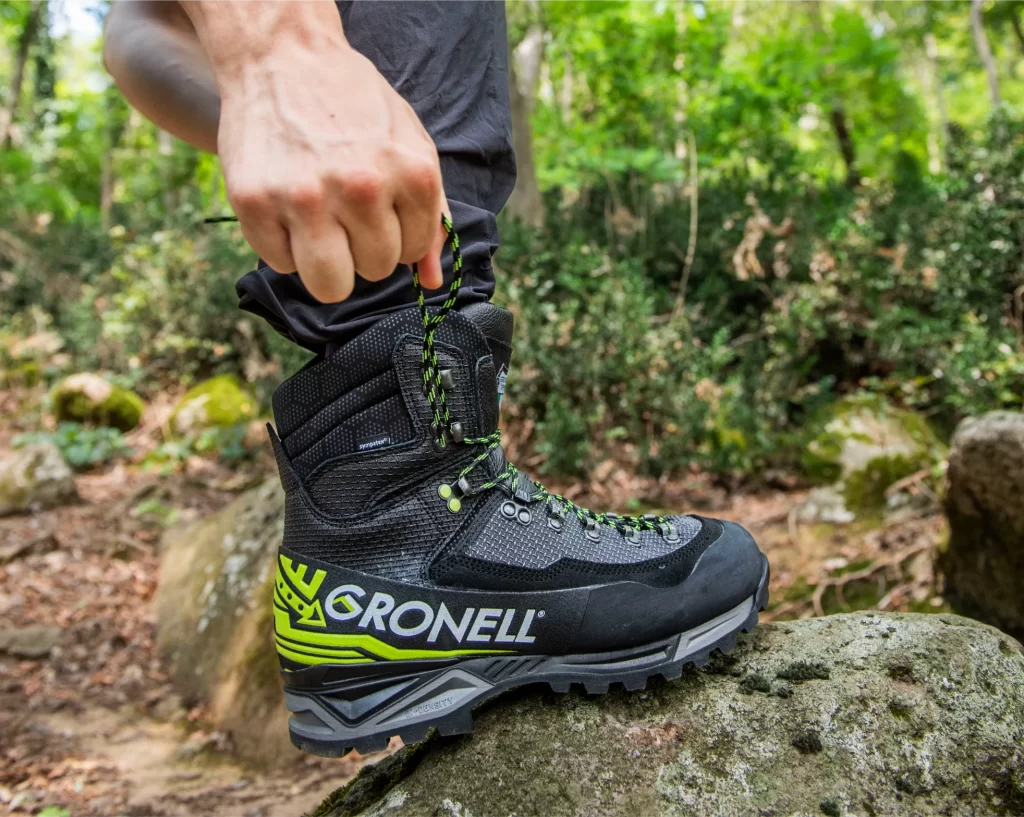
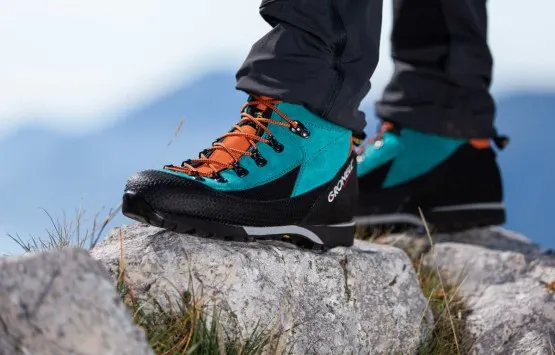
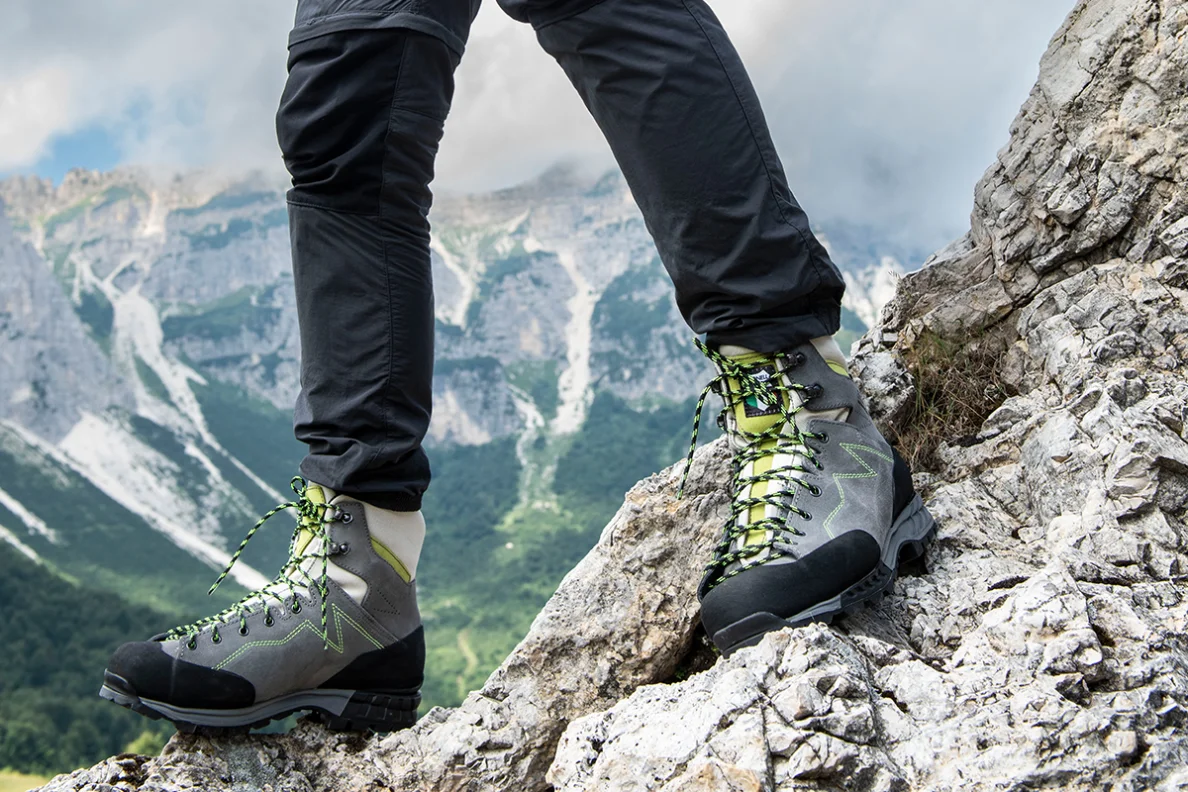
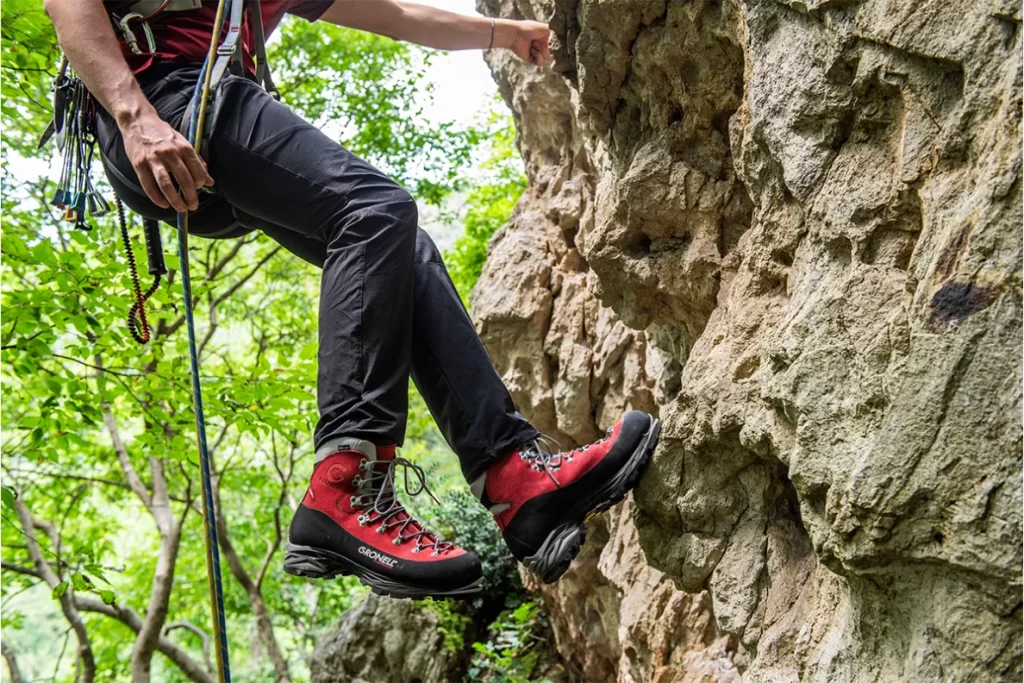
A boot with good heel cushioning, an effective grip sole and lateral ankle support reduces joint stress on descents. Footwear that is too soft or worn out transfers impact directly to the knee.
Gronell tip: check your sole regularly. A worn boot no longer cushions the way it should, exposing you to risks both for your joints and for the stability of your step.
Work on your downhill technique
Many hikers descend too quickly or with a stiff stride. A few useful rules:
- Keep your knees slightly bent with every step
- Take shorter steps on steep descents
- Avoid locking the knee in full extension
- Plant your foot with control — don’t let it drop
Manage pack weight
Every extra kilogram of pack weight amplifies joint load on descents. Periodically review your pack contents and eliminate anything that is not necessary.
👉 Leggi anche “Cosa mettere nello zaino per escursioni in montagna”
What to do when pain appears during a hike
- Slow your pace and use trekking poles if you are not already doing so
- Take a break, sit down and gently massage the area
- Apply cold as soon as possible (ice or a cooling pack) to reduce inflammation
- Consider whether it is worth stopping the outing and heading back
- Do not ignore the pain: pushing through gritted teeth can turn a temporary problem into a chronic one
When to see a doctor or physiotherapist
If the pain persists after a few days of rest, appears on flat terrain too, or is accompanied by swelling, clicking or a sense of instability, it is time to see a specialist. A physiotherapist can assess your posture, gait and musculature, and prescribe targeted exercises that will allow you to return to the mountains safely.
FAQ — Frequently asked questions
Do trekking poles really protect the knees?
Yes, when used correctly. The greatest benefit comes on descents, planting the poles in front of the body to offload weight through the arms. The effect is smaller on ascents but still useful for balance.
Should I stop hiking if I have knee pain?
Not necessarily. It depends on the cause and intensity of the pain. Many hikers continue with the right prevention, technique and equipment. A medical or physiotherapy assessment is always recommended to understand what is best in your specific case.
Are more cushioned boots always better?
Not always. Excessive cushioning can reduce ground feel and stability. The ideal is to find the right balance between impact protection and stride control, based on the type of terrain you typically tackle.